Richard W. Baker
Awareness
5
critical journeys picked to start, in the Top 5 Journeys initiative
42
journeys mapped and scored
24
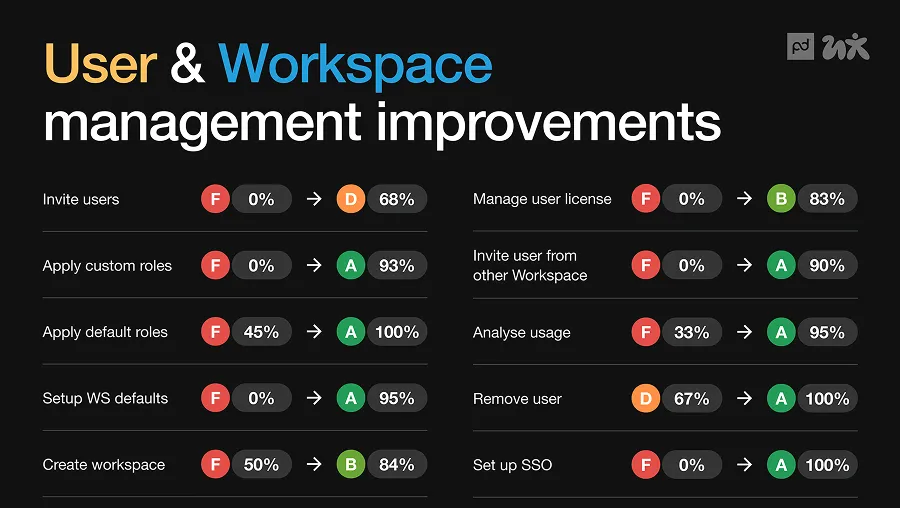
journeys improved from an F to an A or B
Vision
2025
growth plan built around UX, approved by the board
3
company-wide rollouts of the vision, from planning kickoff to all-hands
70%
of 2025 R&D committed to UX-first work
Outcomes
30 to 41
NPS, a company record
+10%
new user activation in the second half of 2024
+20%
core feature adoption
Driving business impact through strategic design at PandaDoc
I led a company-wide transformation to address two critical challenges. First was the design team’s absence from strategic decision-making; UX had no influence on product direction or experience. Second, the product experience itself was becoming a growth bottleneck; retention was strong once users were fully onboarded, but activation and early adoption lagged far below targets.
My approach was to elevate user experience to a board-level priority, linking design investment directly to core business metrics like activation, adoption, and user sentiment.
Context and challenge
Activation lagged far below targets
Over a decade, PandaDoc has evolved from a simple quoting and e-signature tool into a full document workflow and automation platform. But with that growth came complexity. New features were bolted on without a holistic view of the user journey, creating a fragmented, “clunky” experience.
User research made the problem clear:
-
New users struggled to understand how to integrate PandaDoc into their daily work.
-
Those who did invest the time became loyal, high-retention customers.
-
The onboarding gap was directly suppressing activation and adoption metrics.
Building awareness
Mapping and scoring the Top 5 Journeys
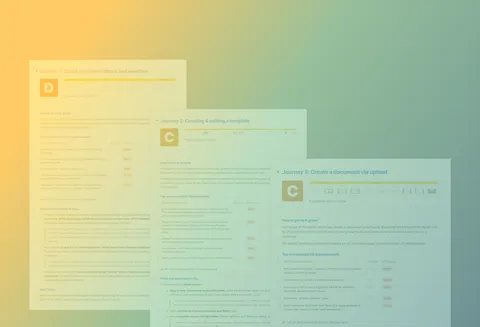
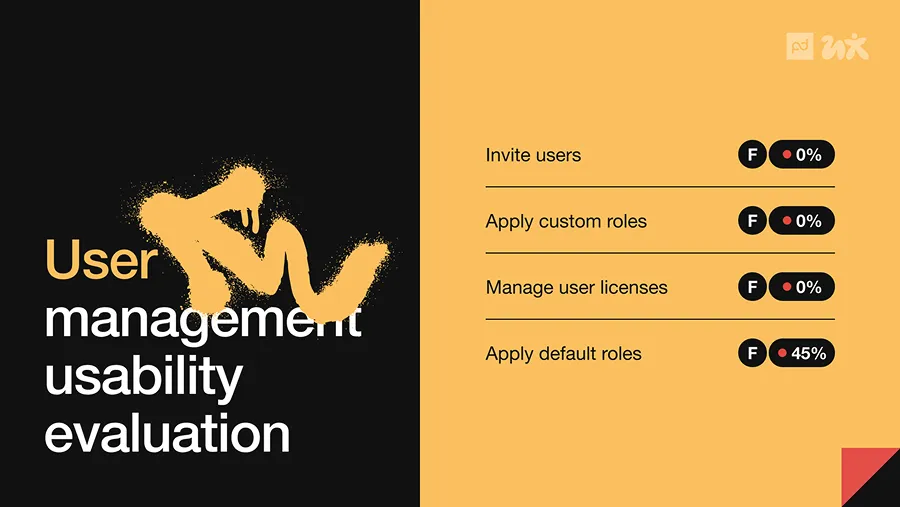
In Q1, I launched the Top 5 Journeys initiative, mapping and scoring the most critical user paths that impacted activation, adoption, and sentiment. These journey maps created a shared understanding across the company, giving R&D teams clear priorities and measurable UX improvement targets.
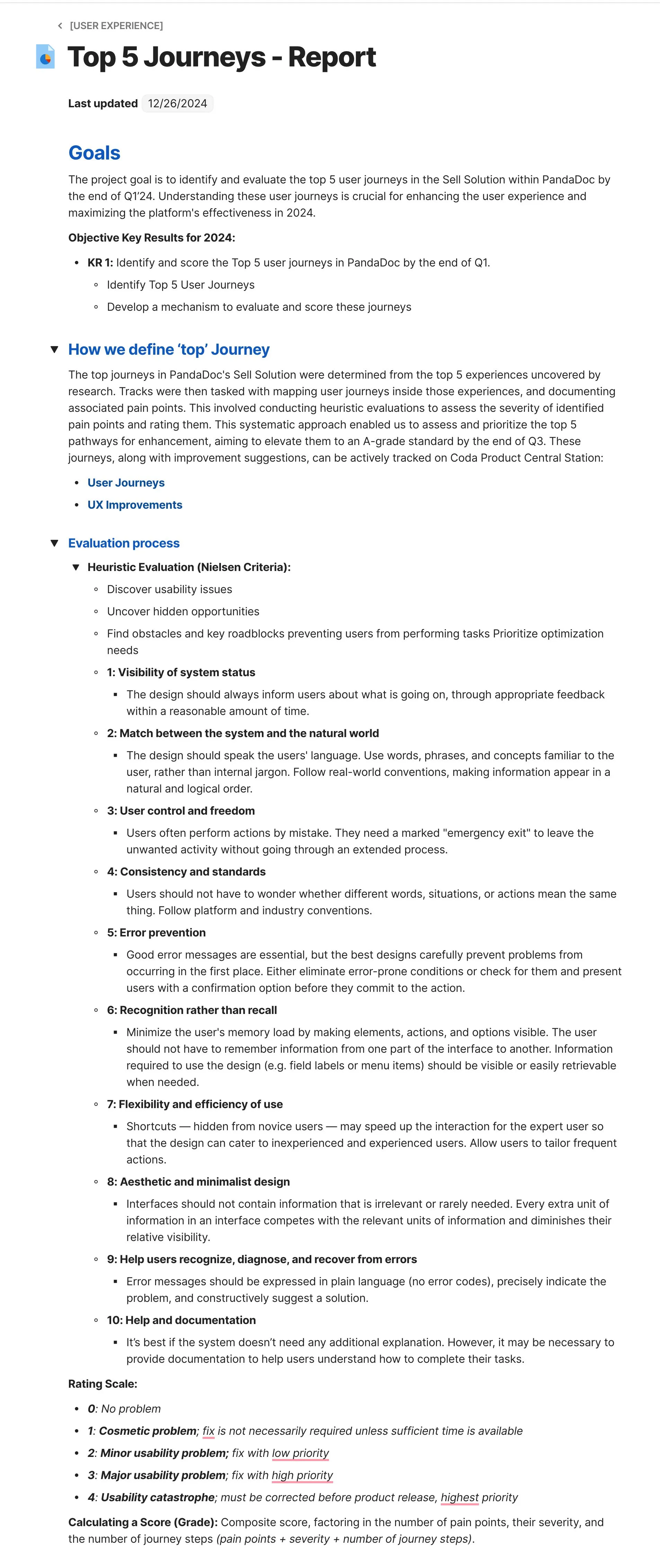
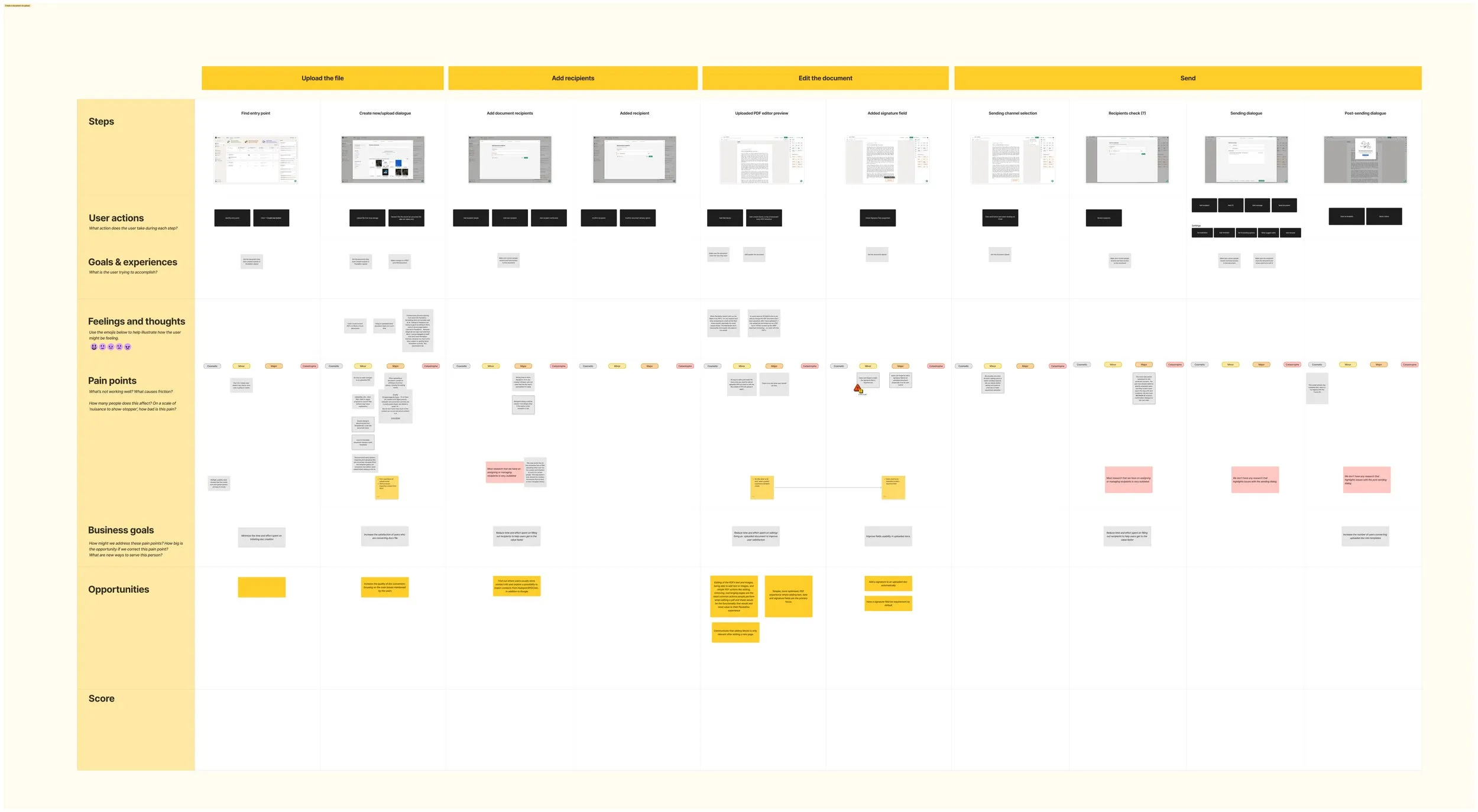
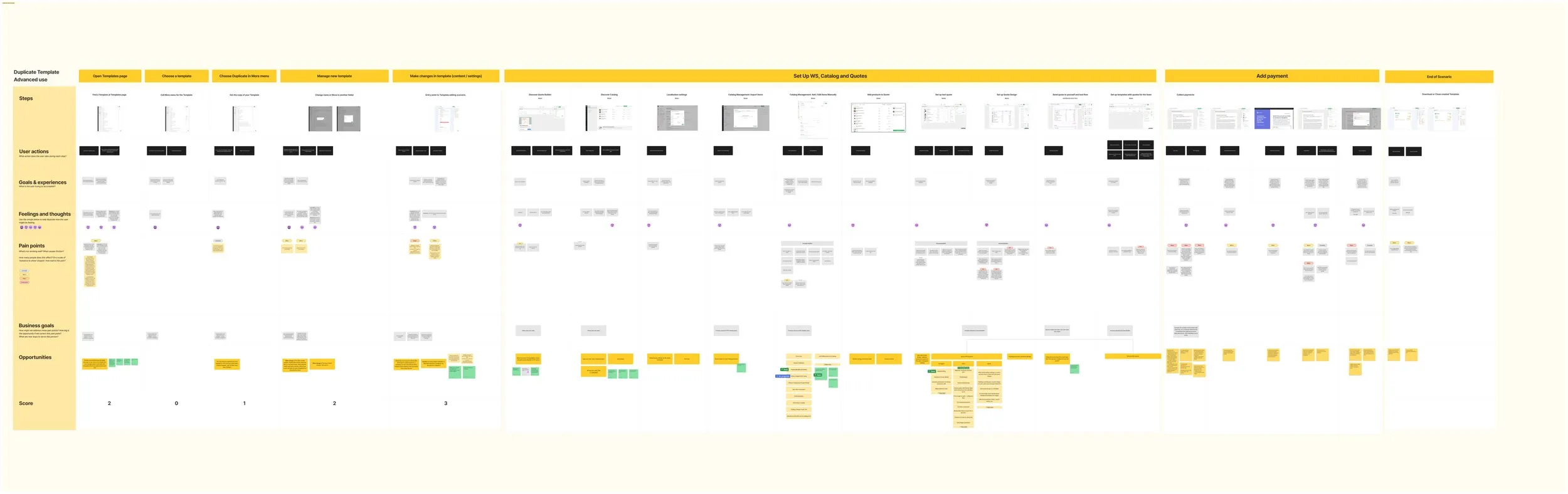
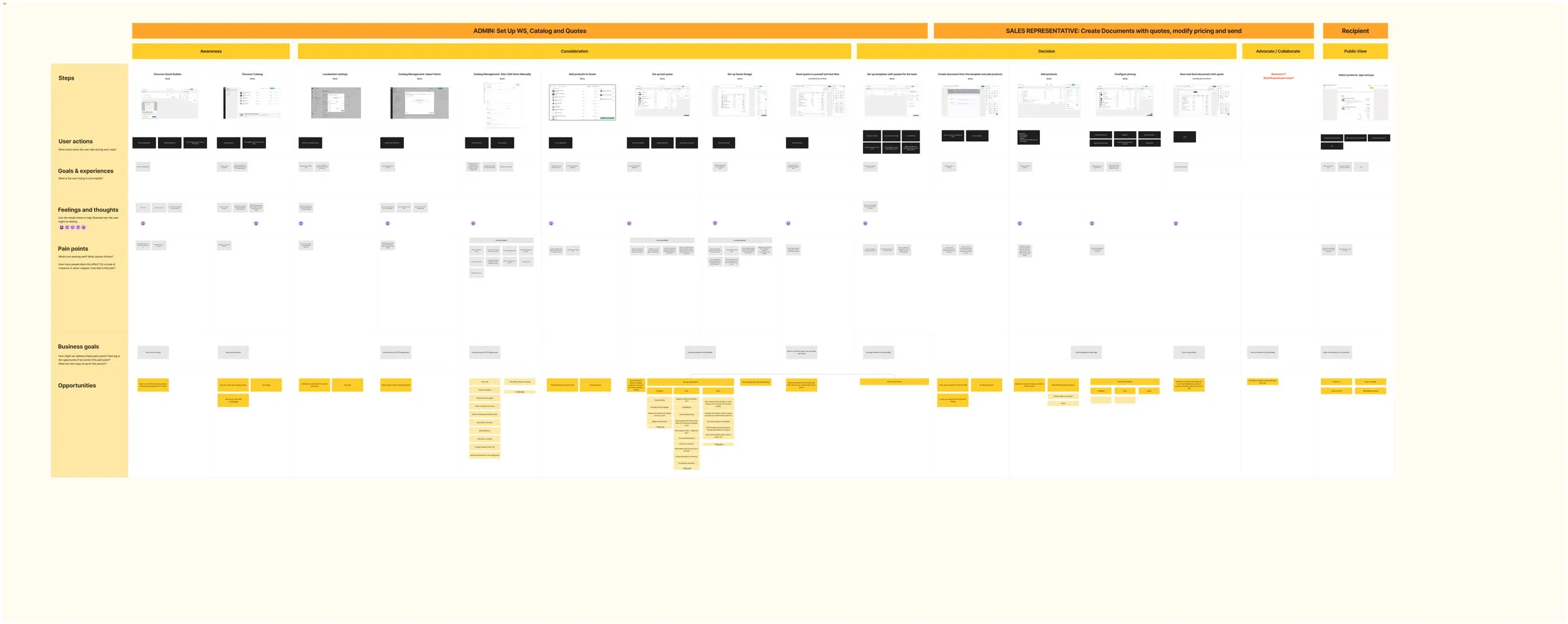
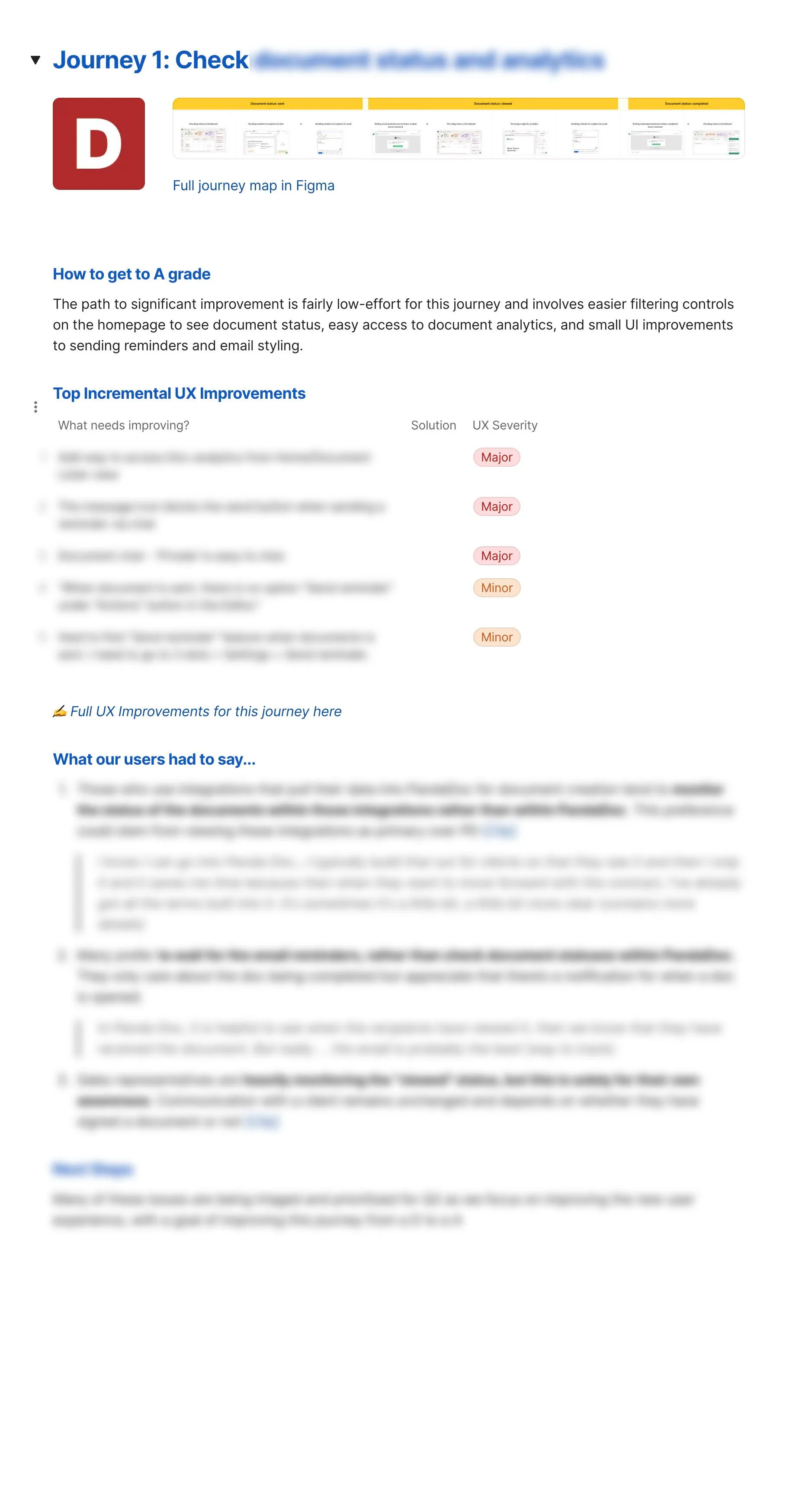
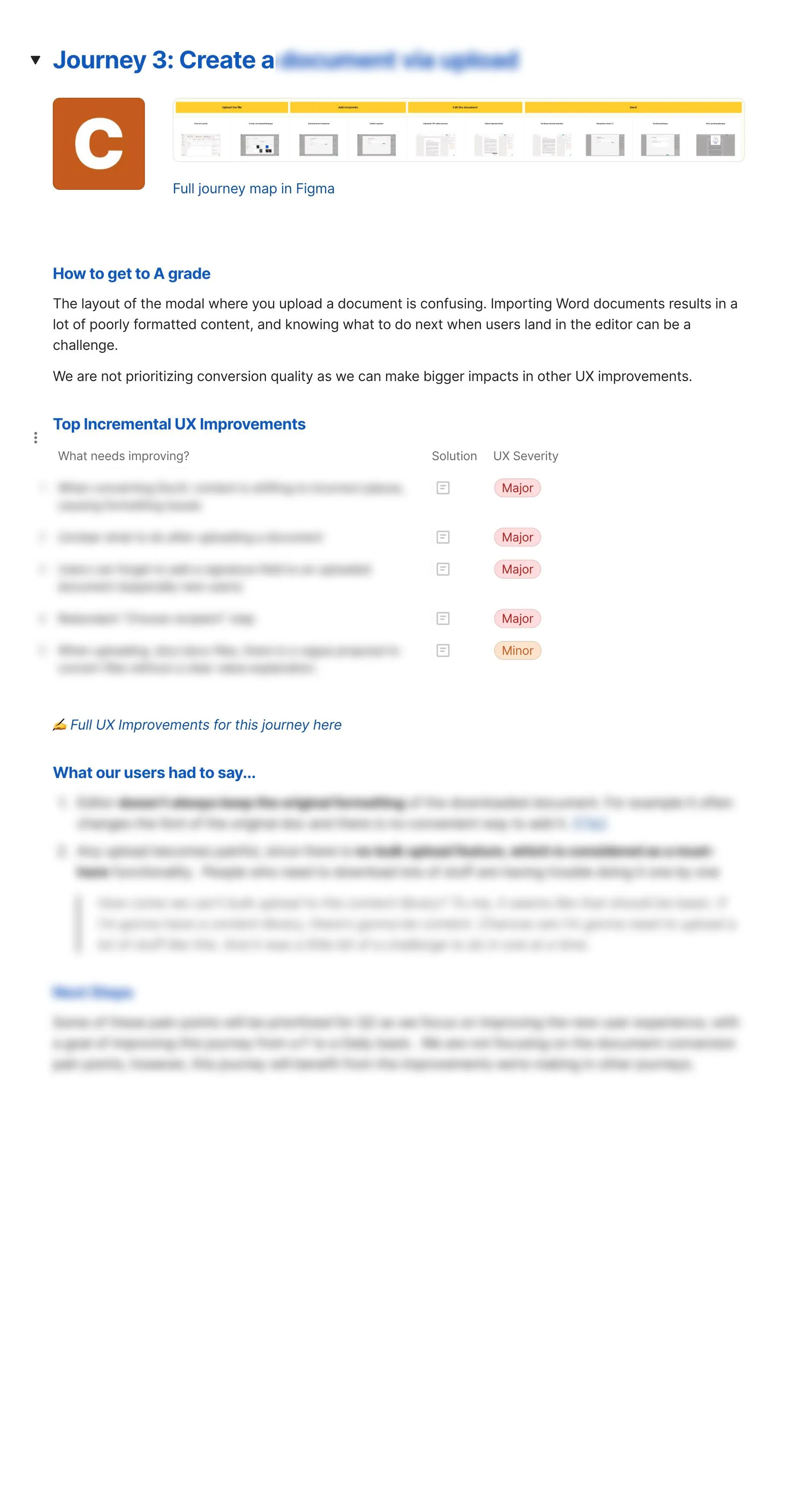
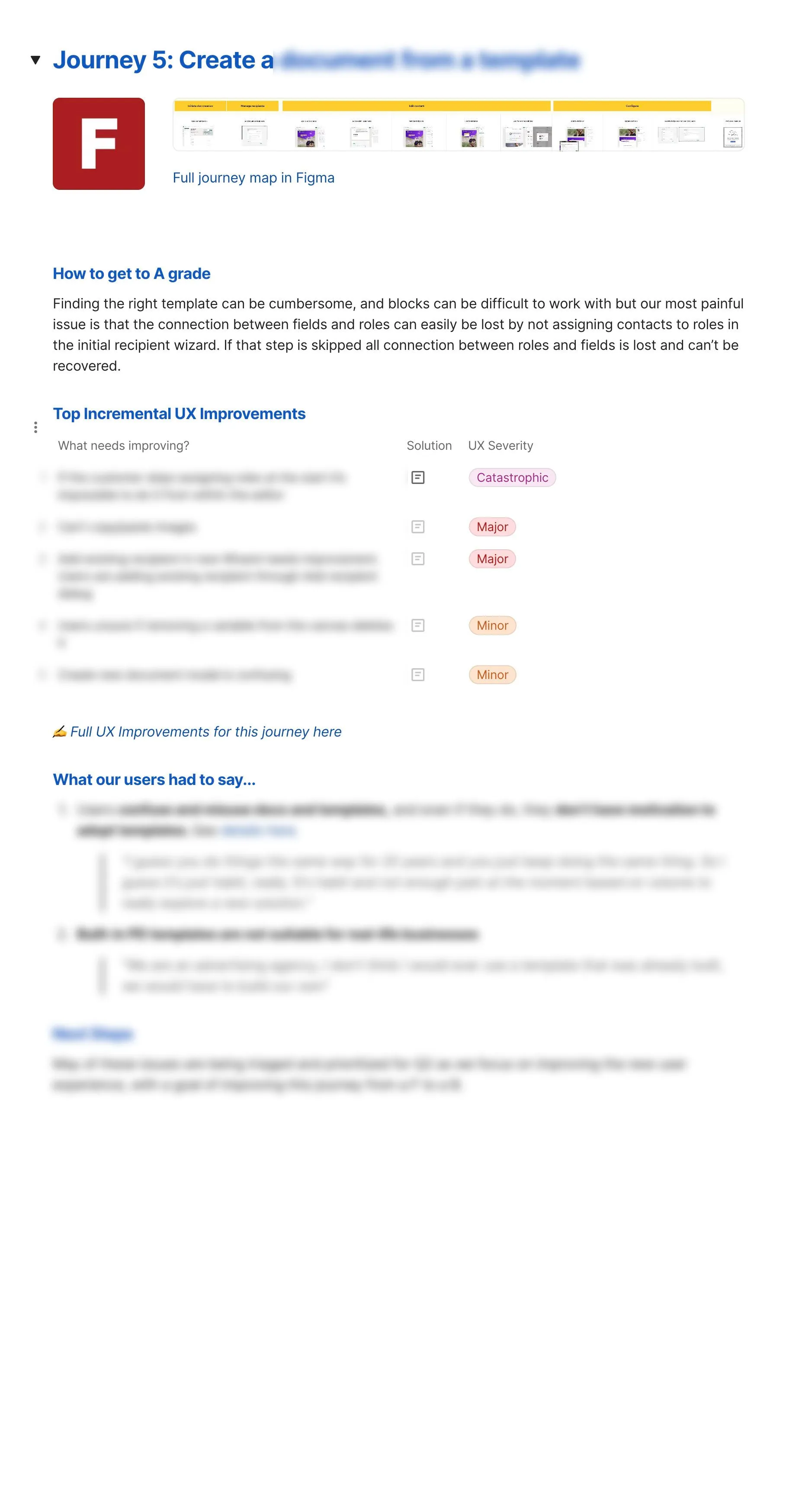
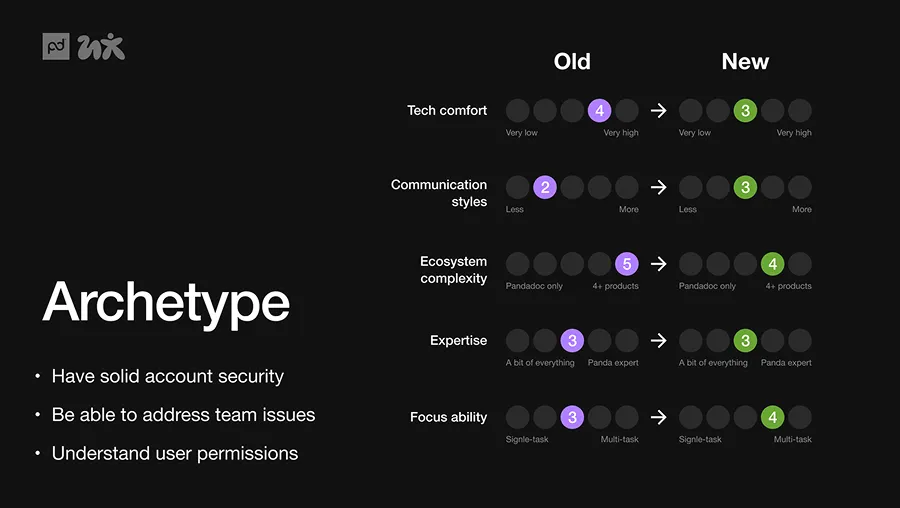
The Top 5 Journeys report, the journey maps behind it, and pages from the presentation. Some details are redacted.
Sustaining momentum in a shifting landscape
Keeping UX on the agenda through a pivot
Right as momentum was building and a consensus on investment was growing, a high-stakes partnership opportunity emerged that required rapid, first-to-market product development. Executive focus and R&D resources shifted almost entirely to the partnership. While strategically sound for the business, it deprioritized UX improvements.
To prevent UX from falling off the radar, I:
-
Led a company-wide roadshow presenting journey maps, user pain points, and research-backed opportunities.
-
Published a mid-year research report summarizing behavioral trends, NPS insights, and the revenue impact of improving UX.
-
Partnered with product leaders to align journey ownership with their roadmaps, ensuring some incremental improvements shipped despite the pivot.

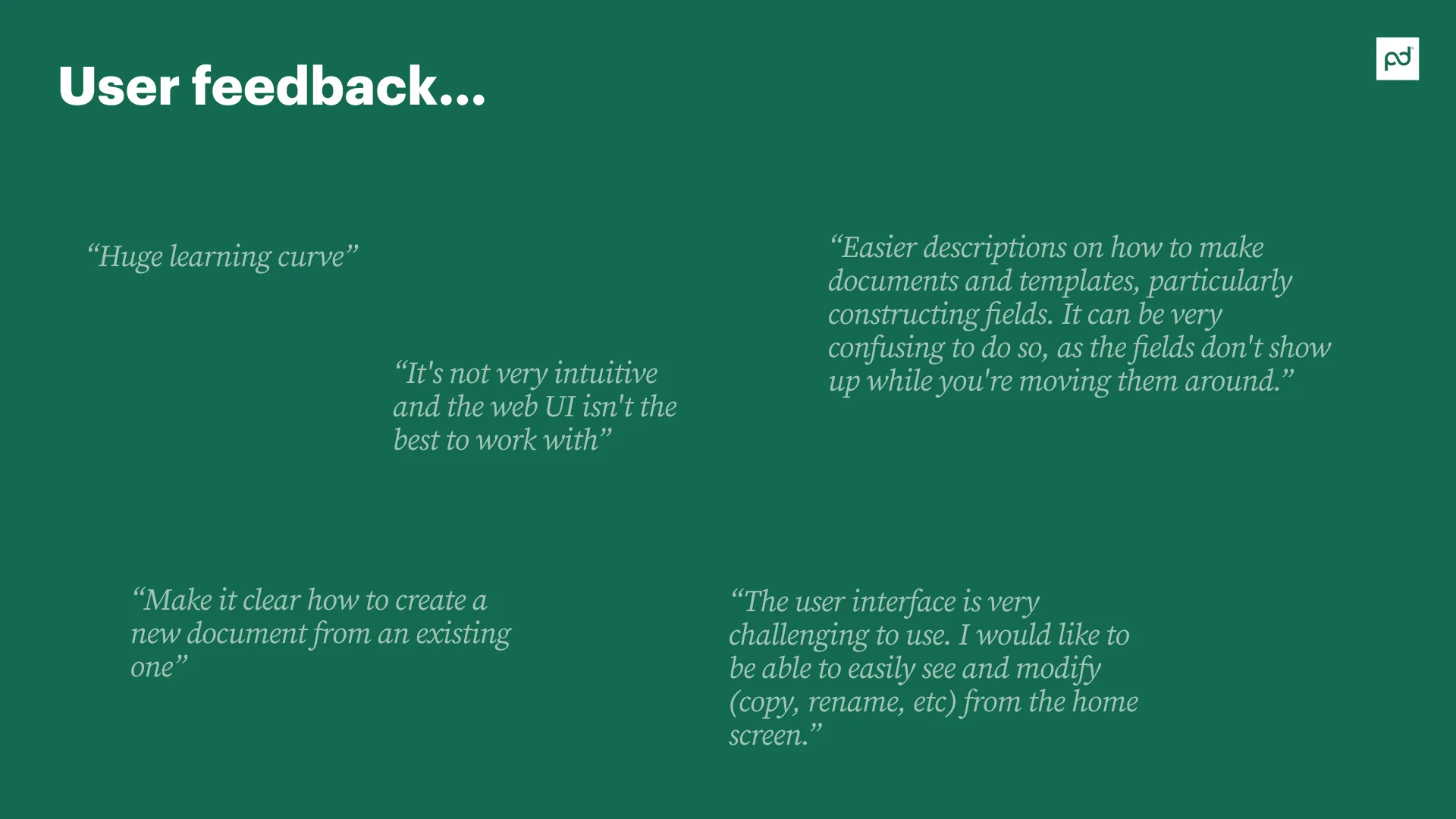
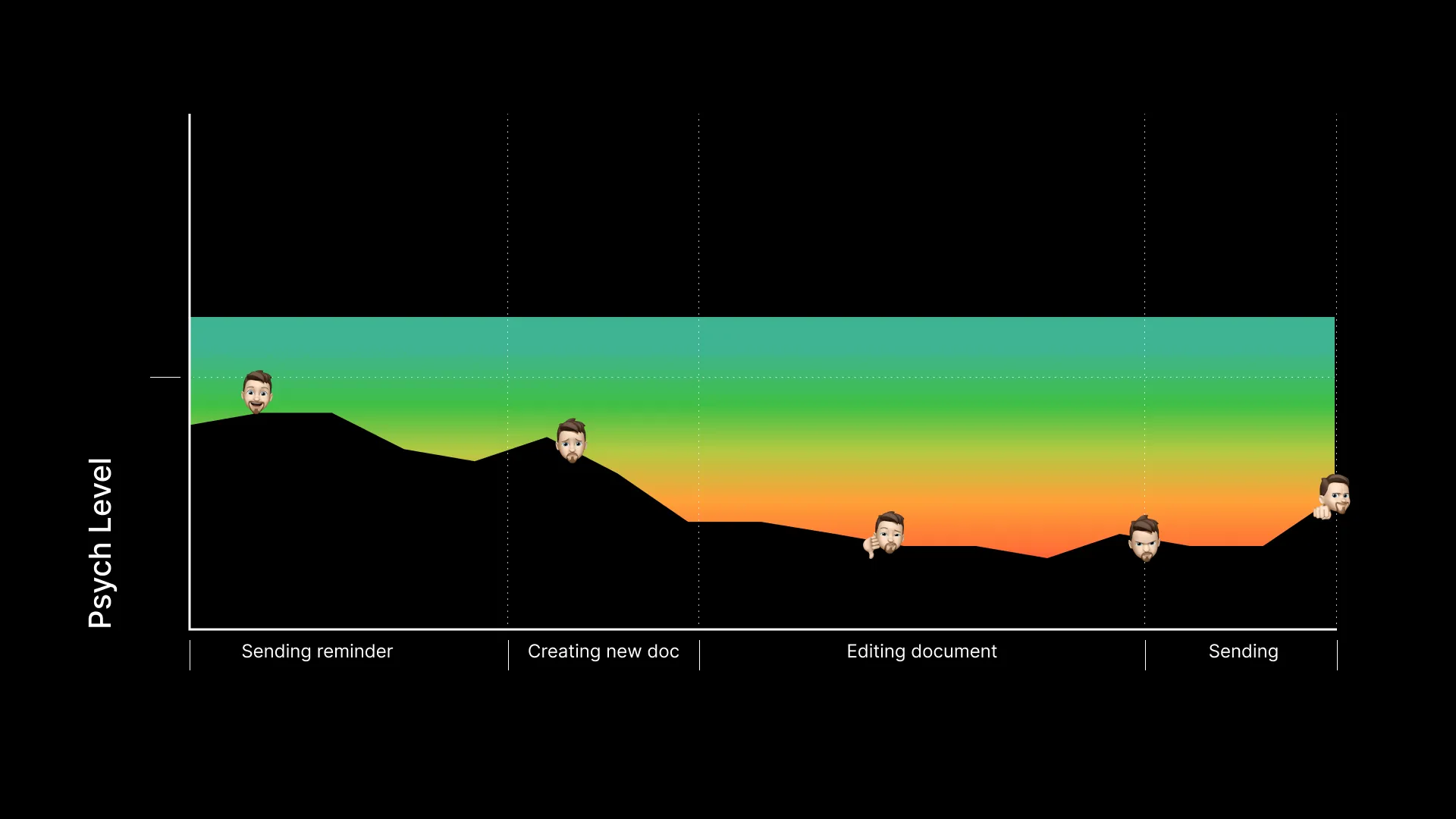
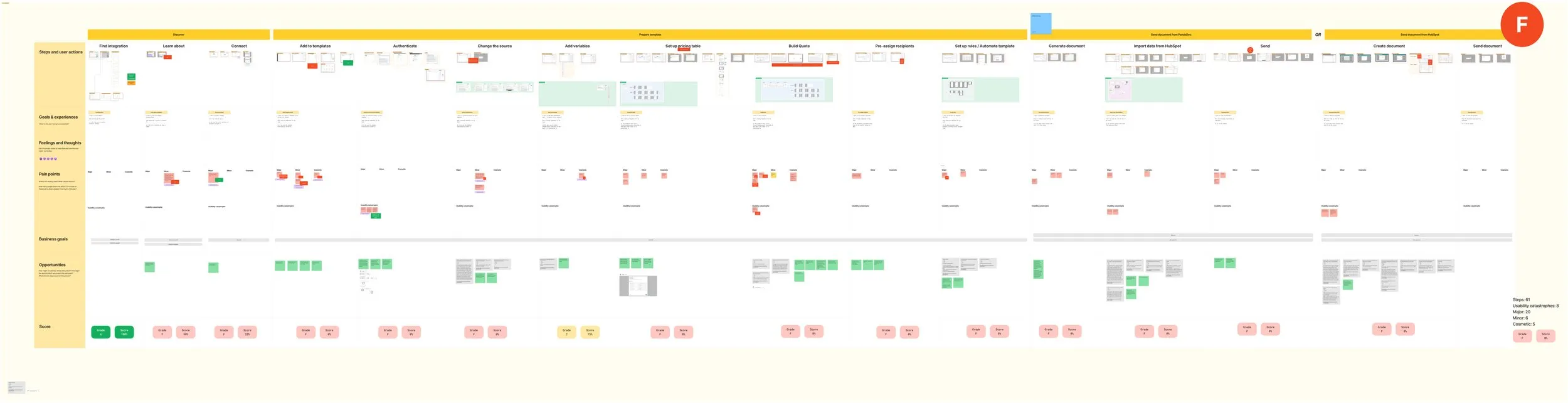
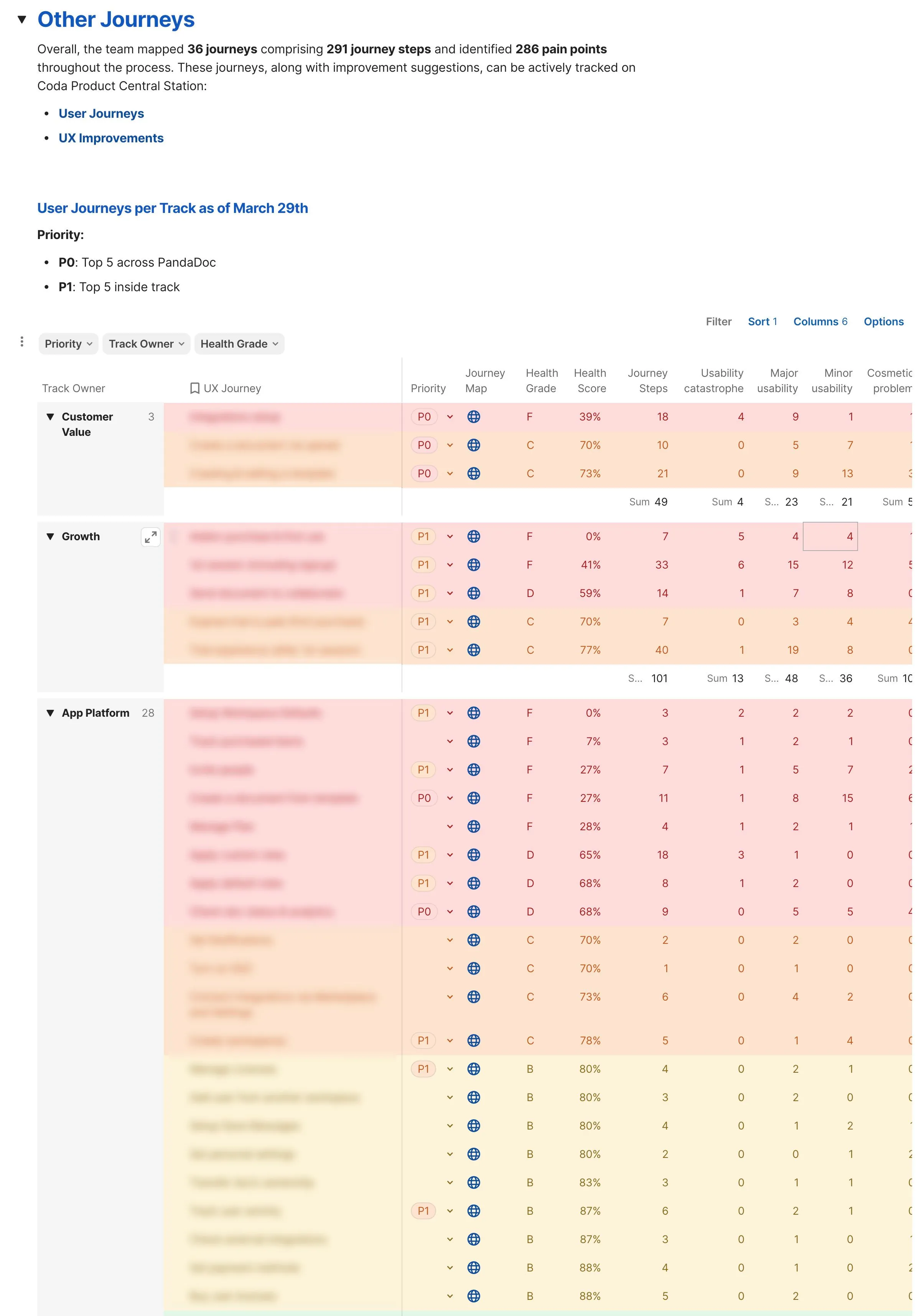
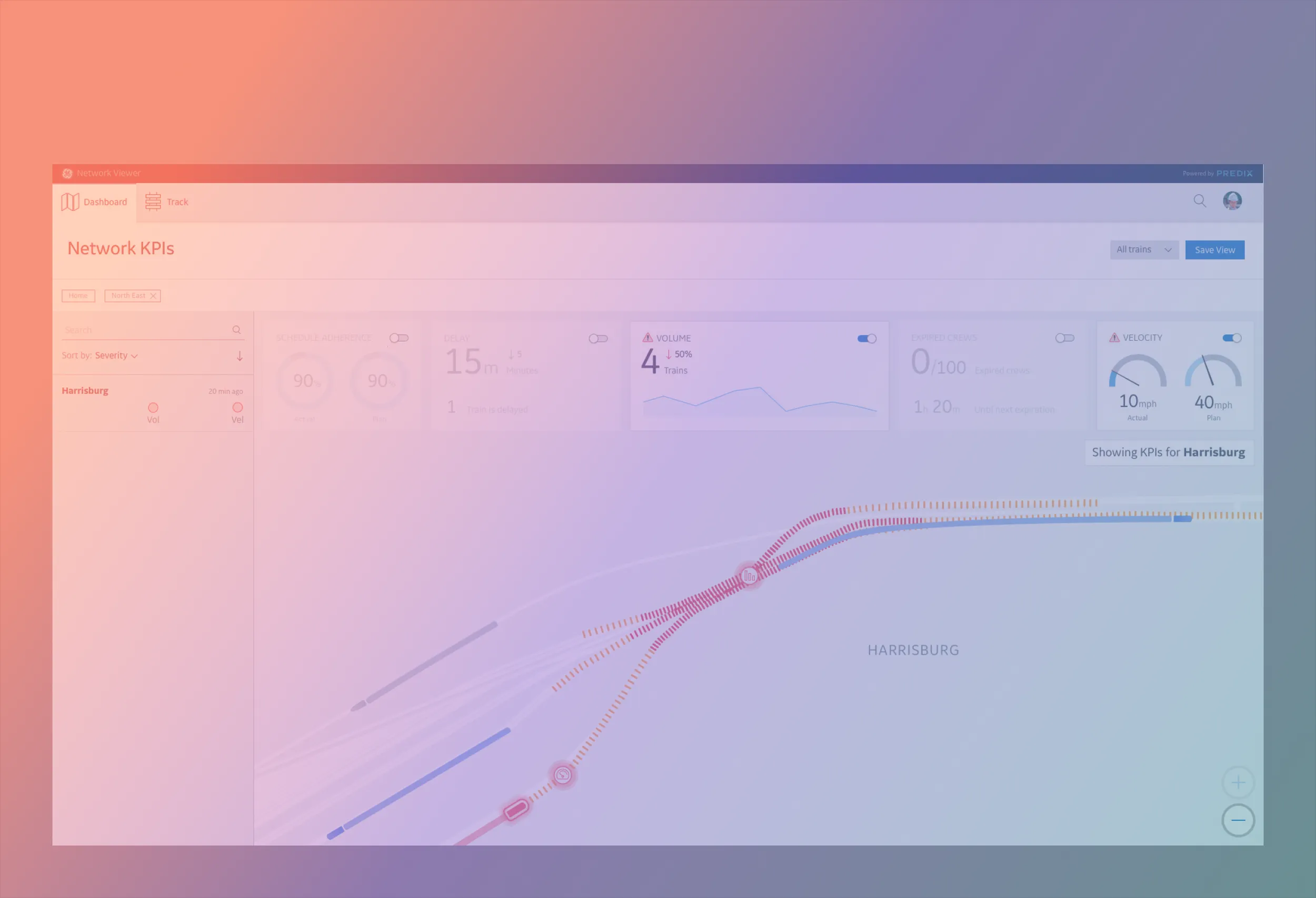
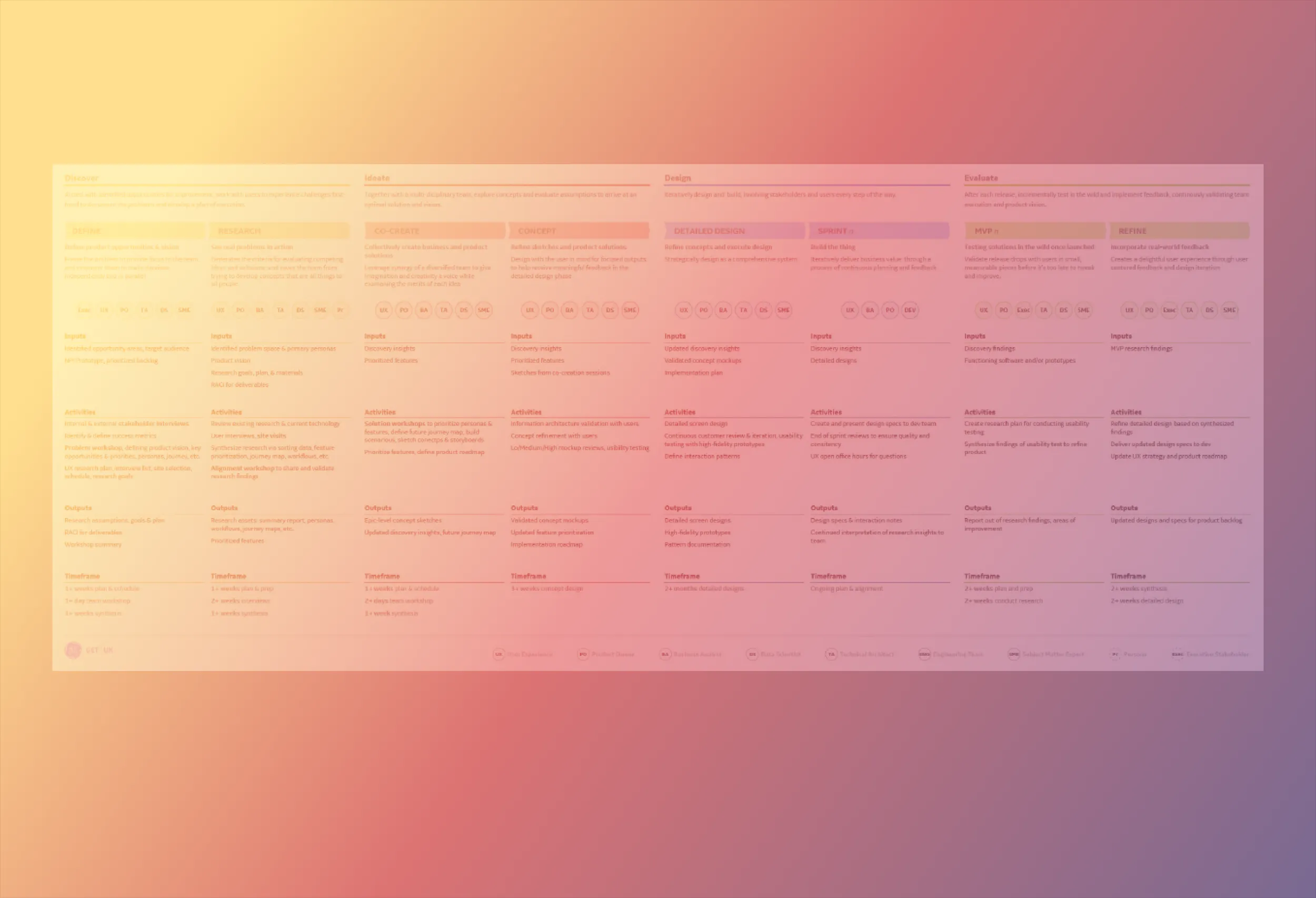
The mid-year research report, slides from the roadshow, a journey map, and the full journey scoring list.
Crafting and selling a design vision
A blueprint the board approved
By the end of Q3, the partnership product had launched, creating space to re-focus on UX. I seized the moment to present a future-state design vision—a cohesive, research-informed blueprint for how PandaDoc could transform its user experience to unlock growth.
I worked closely with the cofounders and executives, then rolled out the vision at the 2025 Planning Kickoff, Product All Hands, and Company All Hands. The result:
-
Board-approved prioritization of UX improvements as the centerpiece of the 2025 growth plan.
-
Commitment of 70% of R&D efforts in 2025 to UX-first initiatives.
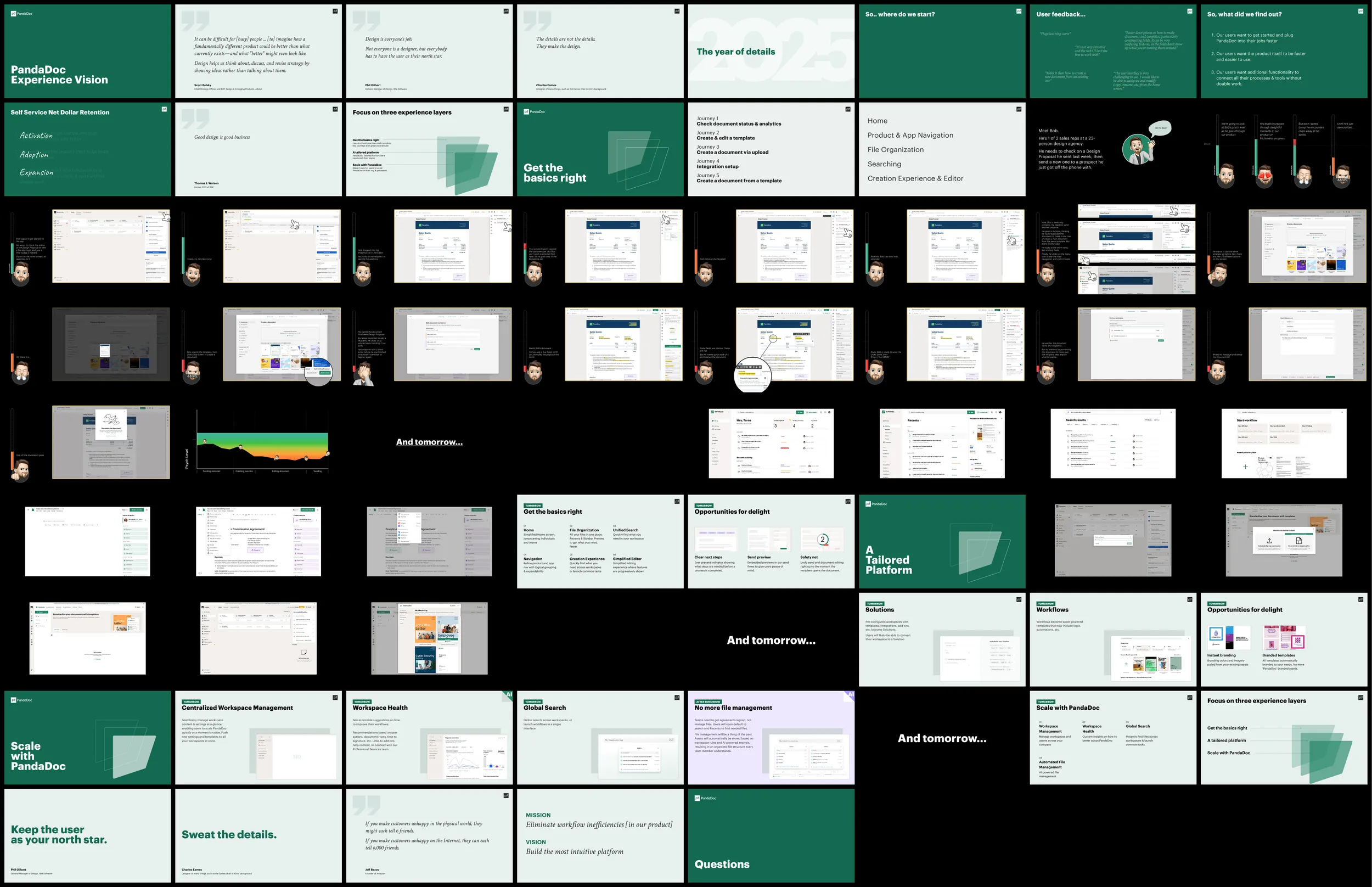
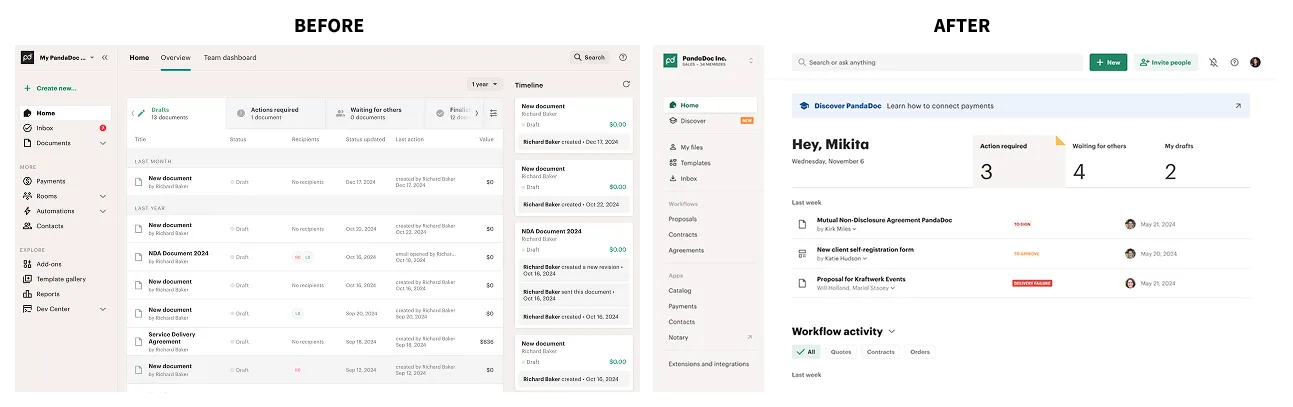
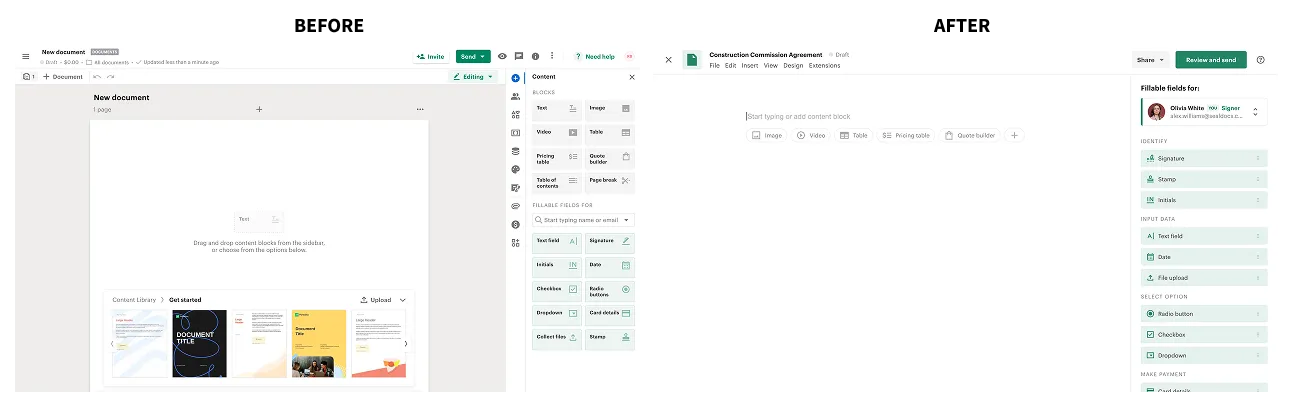
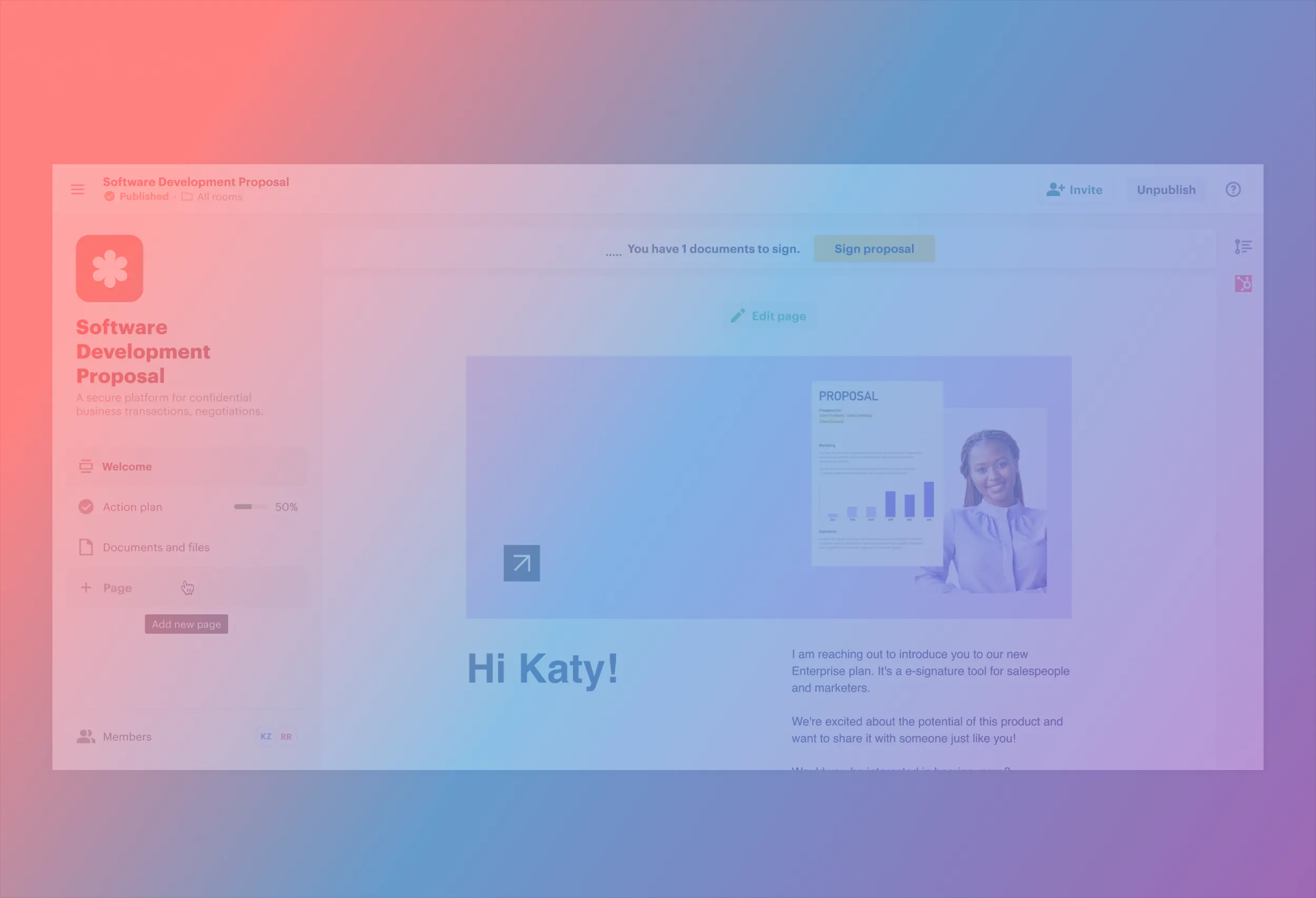
The design vision presentation, and the PandaDoc experience before and after.
Outcomes and impact
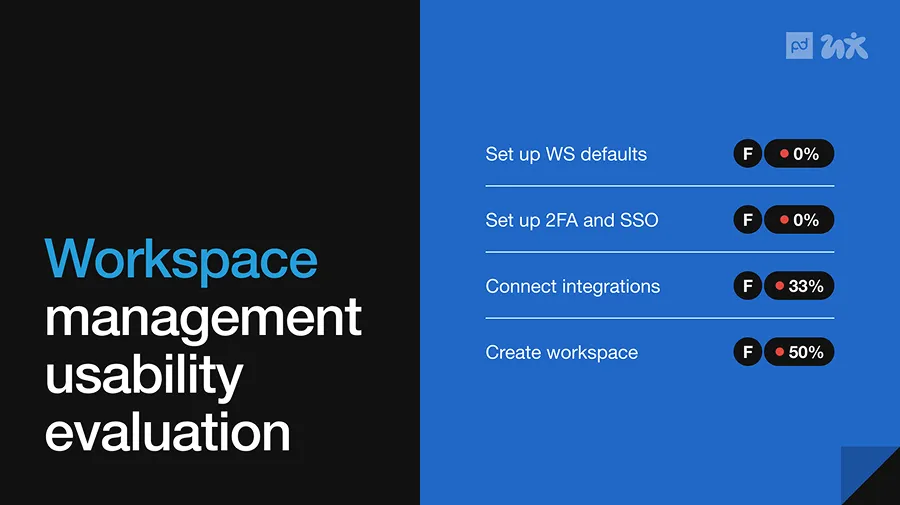
NPS up from 30 to 41, activation up 10%
New products began incorporating standardized UX patterns, increasing adoption rates.
Reflections and learnings
What I would do differently
-
Alignment needs constant maintenance — earlier, more candid discussions with executives about tradeoffs could have set clearer expectations during the strategic pivot.
-
Sustained pressure is key — maintaining consistent advocacy in every planning cycle would have accelerated progress.
-
Resourcing matters — running the initiative with a small, part-time team slowed momentum and lengthened buy-in.
-
Vision inspires action — our practical vision delivered results, but a bolder, more aspirational direction might have inspired even greater investment.