Richard W. Baker
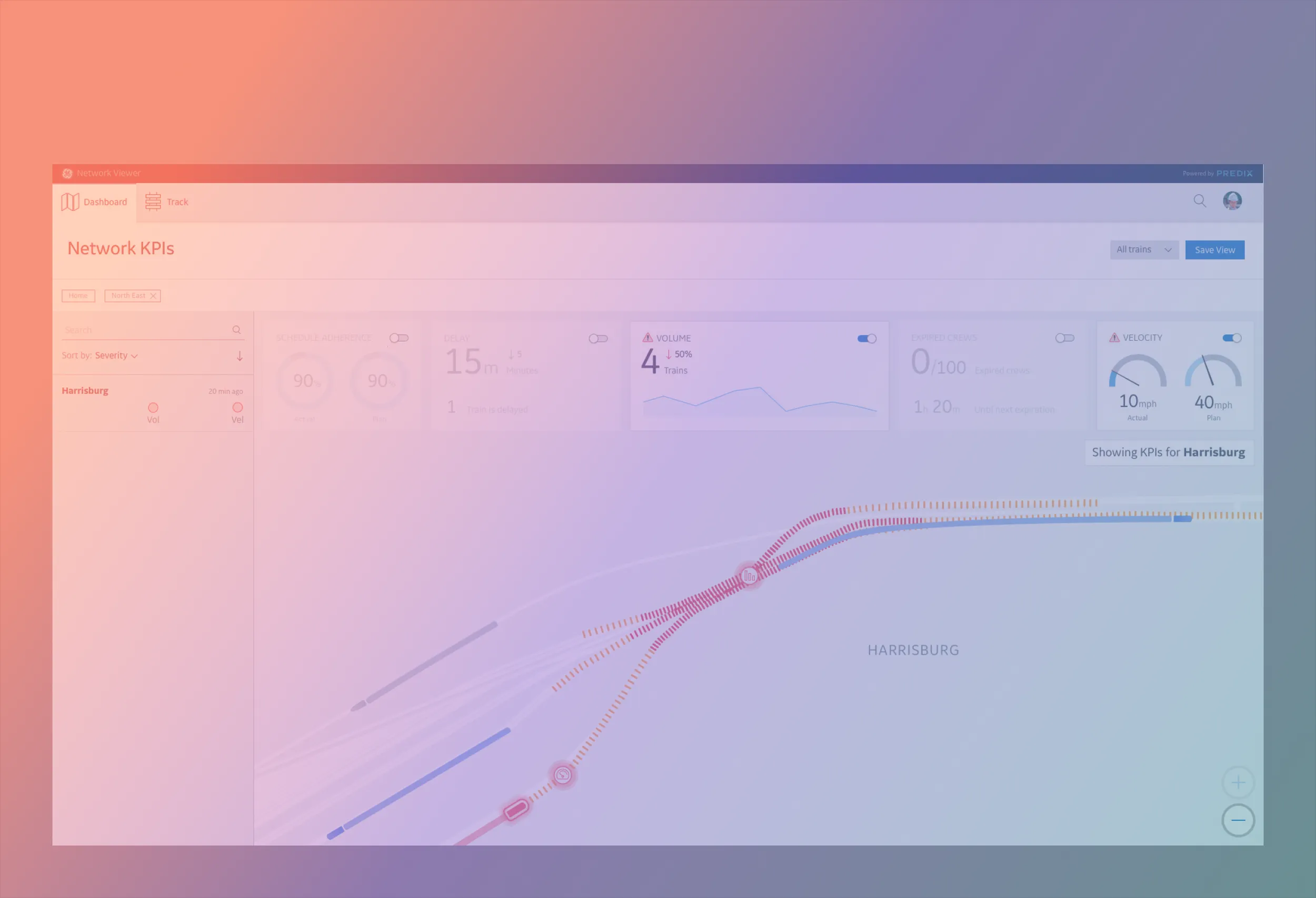
Movement Planner
3
key customers in co-creation sessions, across two continents
5 yr
product vision built on that research
Smart Intermodal
$1M
cost of one hour of downtime in a major intermodal yard
6 mo
between new product releases, with UX a quarter ahead of engineering
Smart Automotive
0 to 1
standard process across the terminal network
100+
locations and partners on the new platform, mobile and desktop
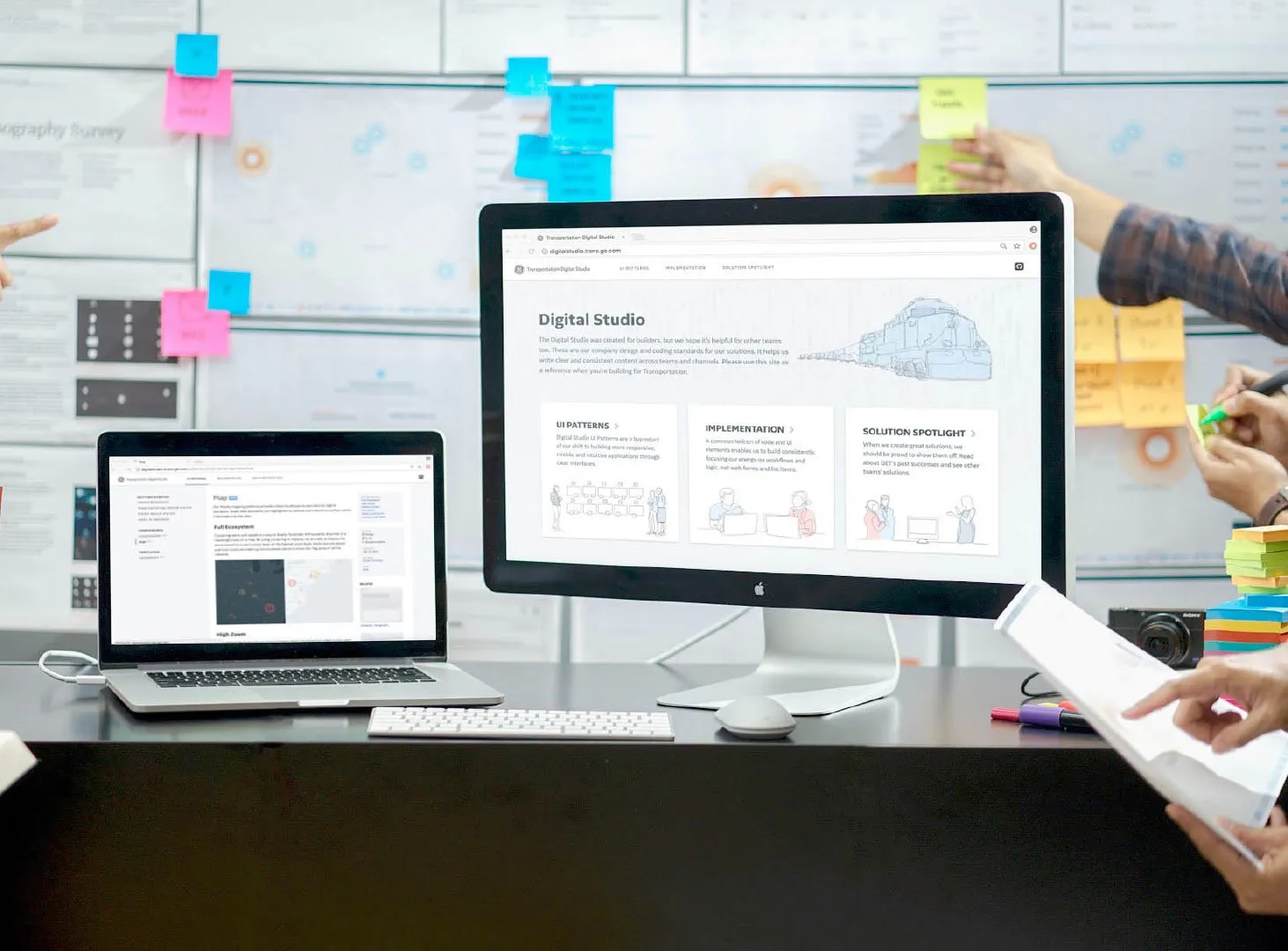
Design system
2–3 wk to 15 min
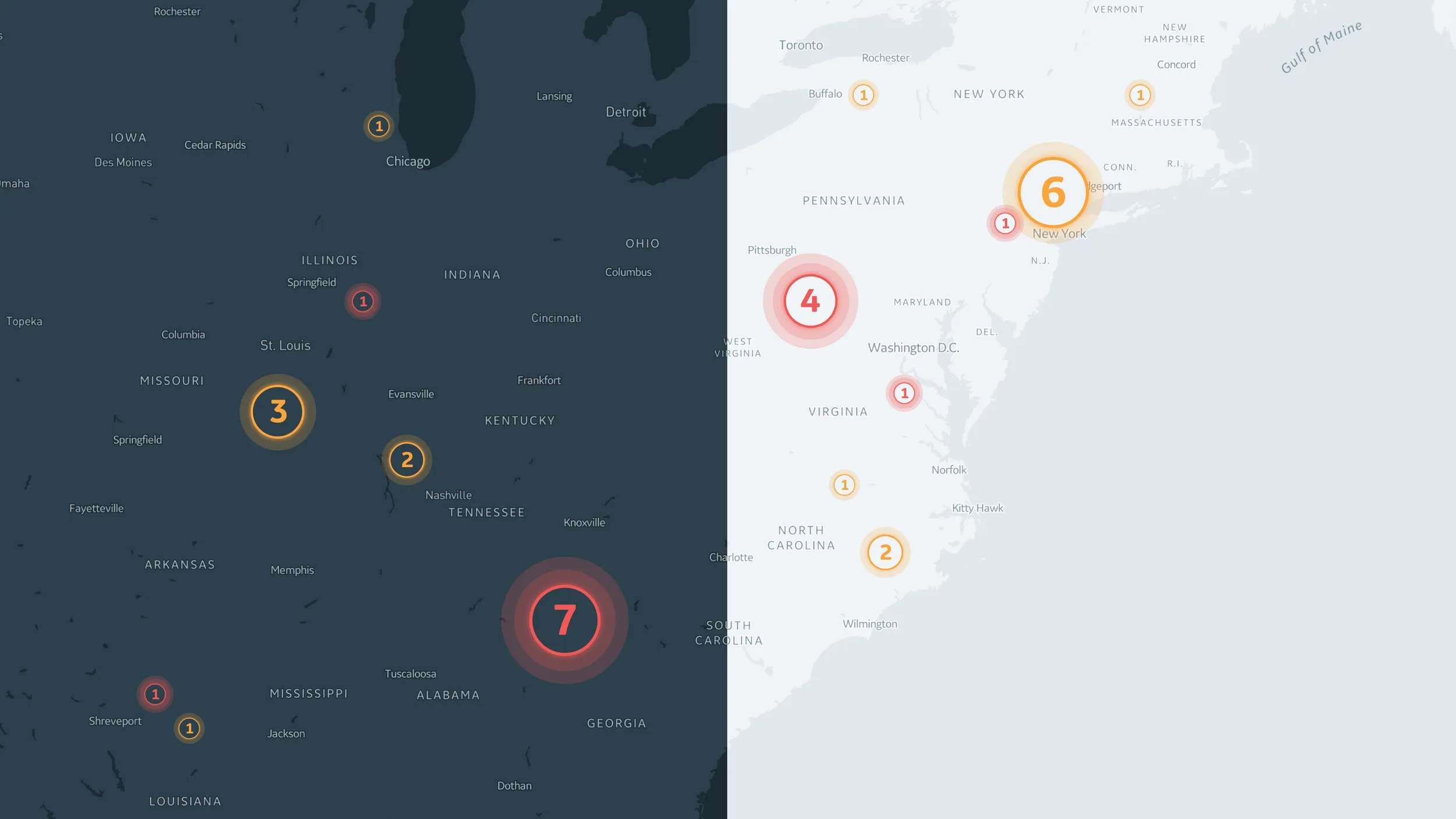
to build a map of asset locations
3,000+
developers supported, in an R&D organization of 27,000
The rail industry was losing ground to more predictable and cost-effective over-the-road shipping, a clear sign of the aging rail infrastructure and processes.
I led a strategic transformation of our core rail ecosystem, setting new standards for how users interact with the digital rail. Our approach was rooted in deep industry and user understanding, focusing on aligning our products and major customers to uplift the entire ecosystem.
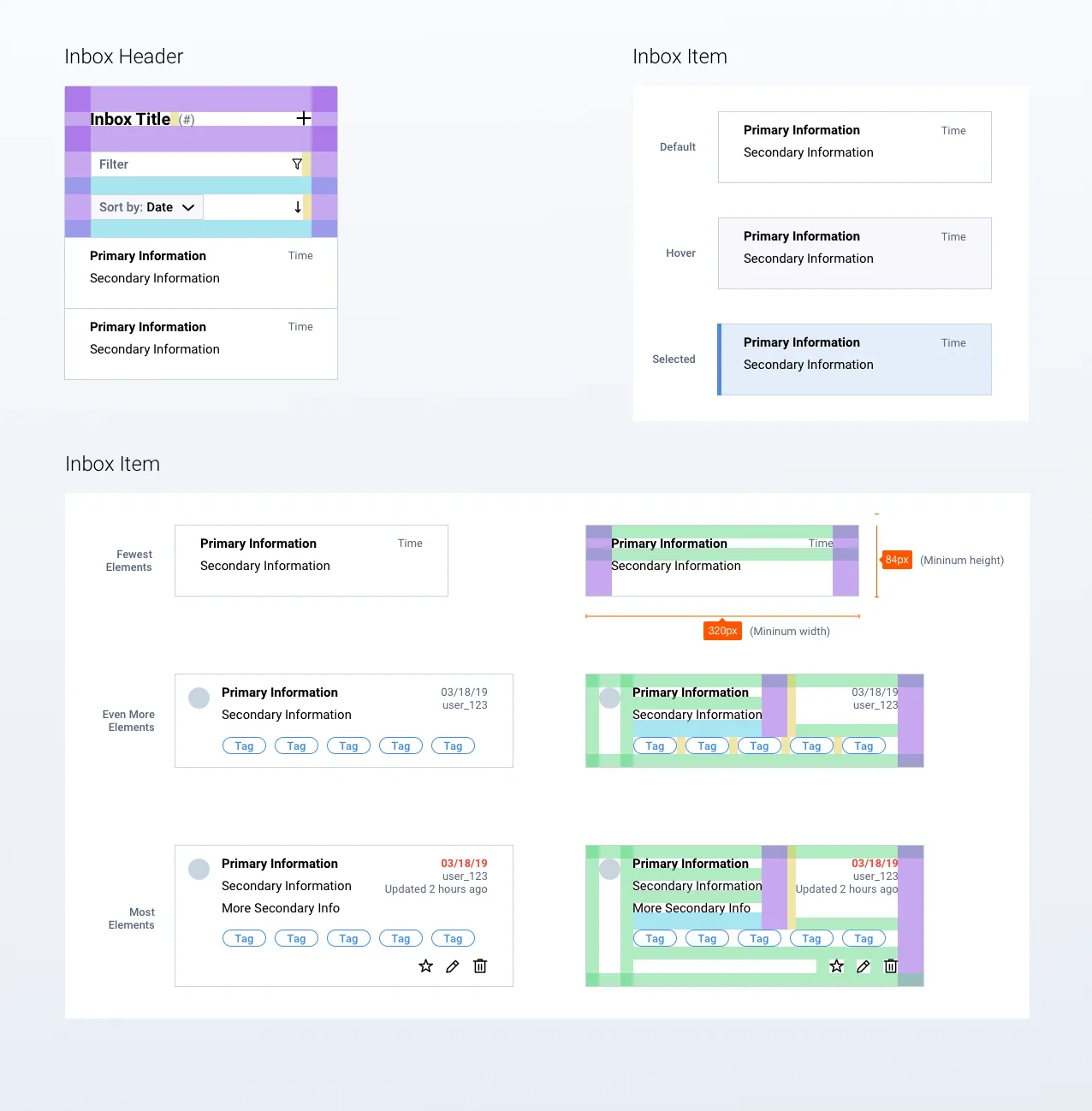
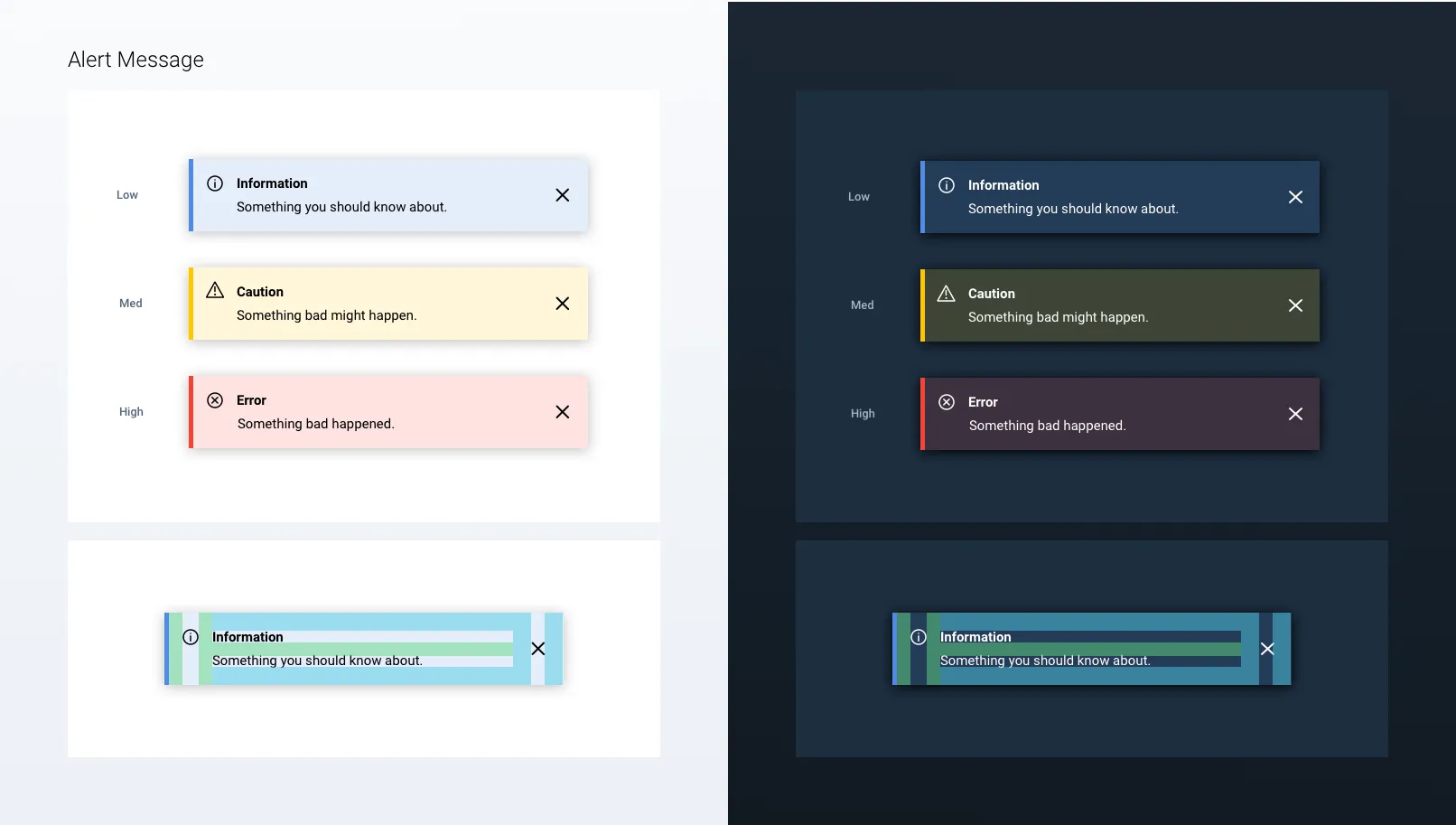
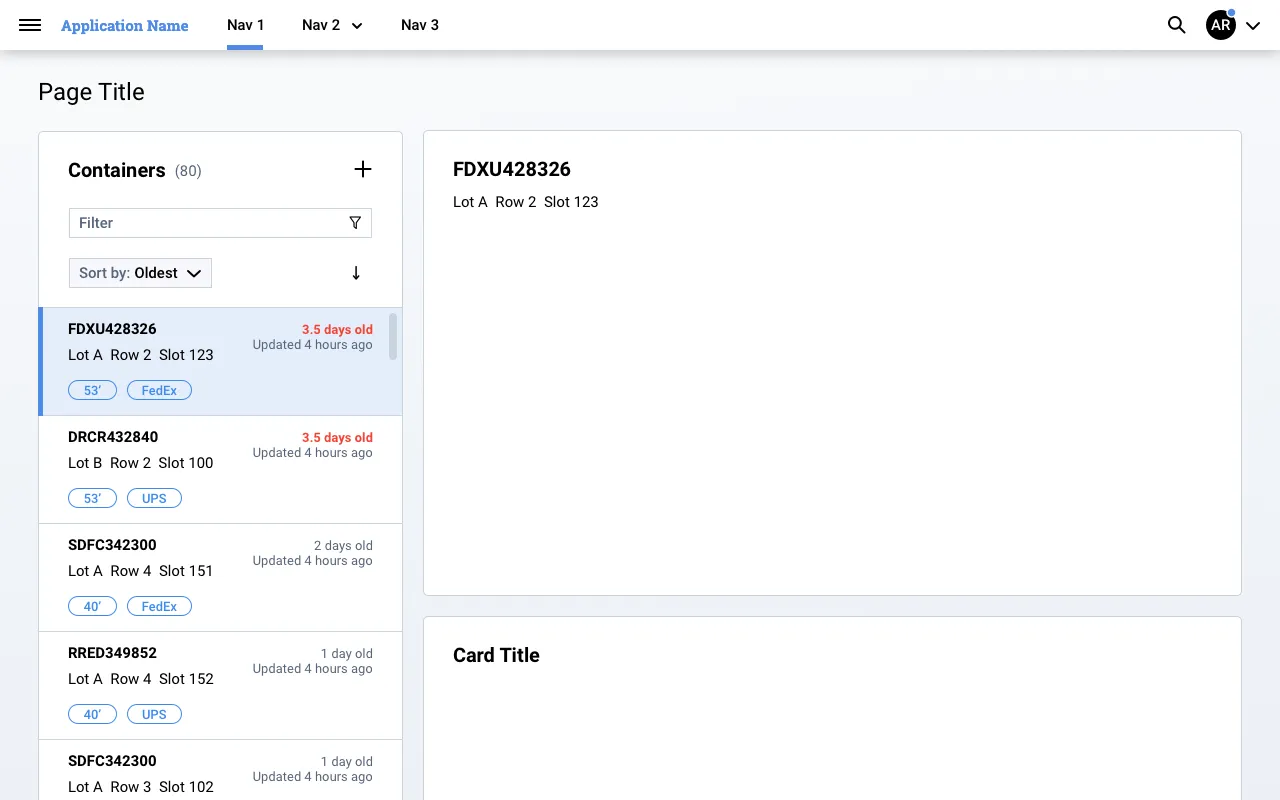
This suite of refreshed and new tools was made up of Movement Planner, Smart Intermodal, and Smart Automotive, stitched together with a new design system developed in tandem.
Movement Planner
From low adoption to lasting impact
The Movement Planner project began with a pressing question: why was user adoption so low, despite major investments in implementation and training? To answer it, we conducted deep user research and co-creation sessions with three key customers across two continents.
These insights became the foundation for a five-year product vision that aligned with true user needs and exceeded company goals. Through dozens of workshops, iterative prototypes, and validation sessions, we radically improved the interface design—reducing dispatcher cognitive load and significantly boosting effectiveness.
Beyond the immediate impact, Movement Planner became the prototype for an innovation framework that shaped how future product initiatives were approached.
Discover
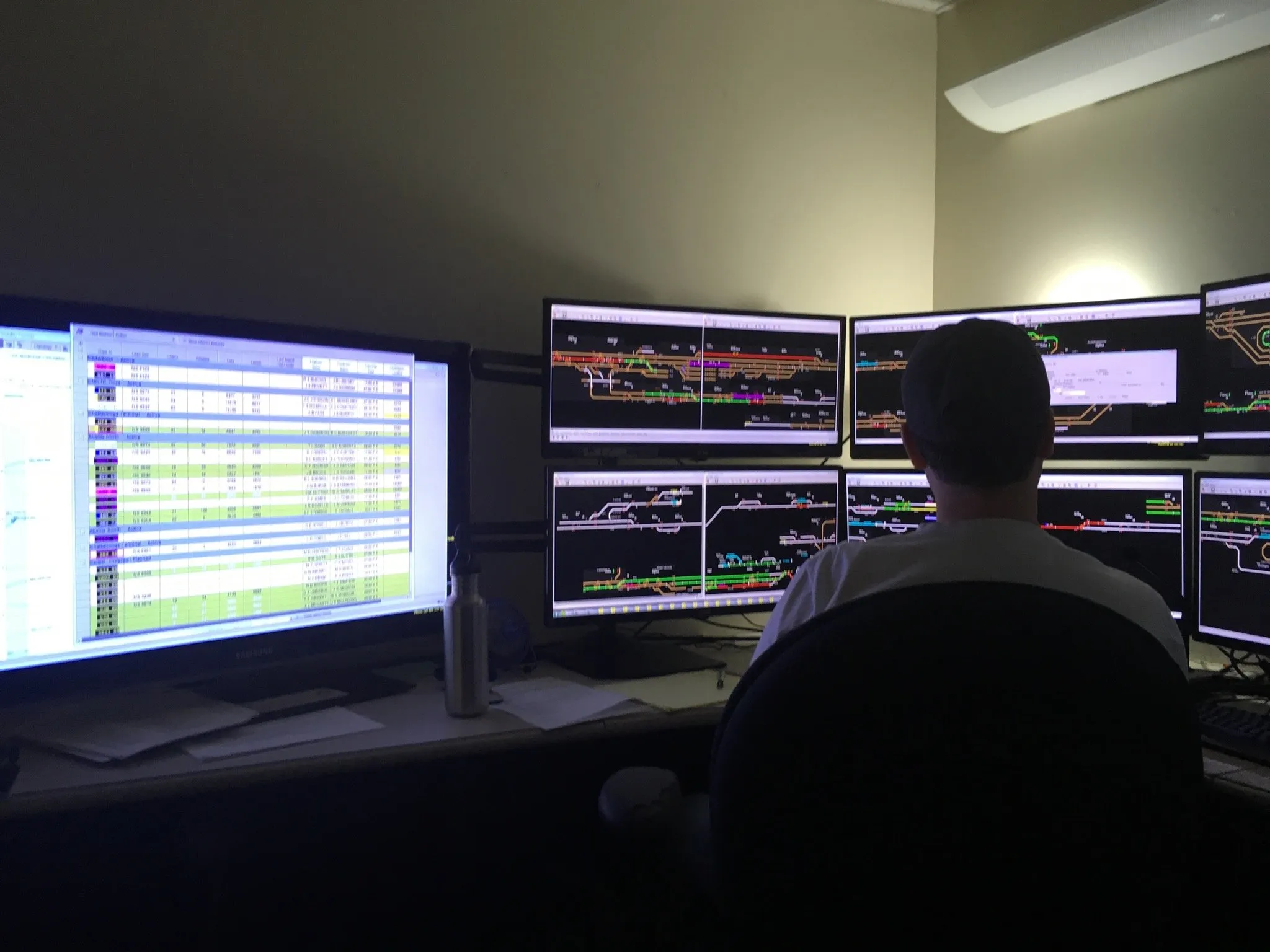
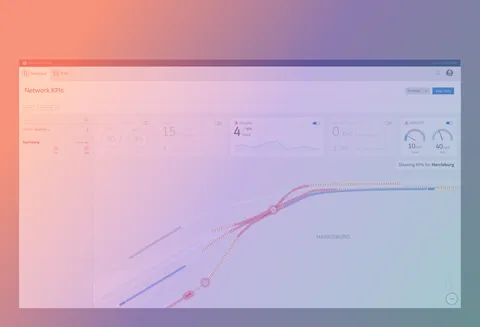
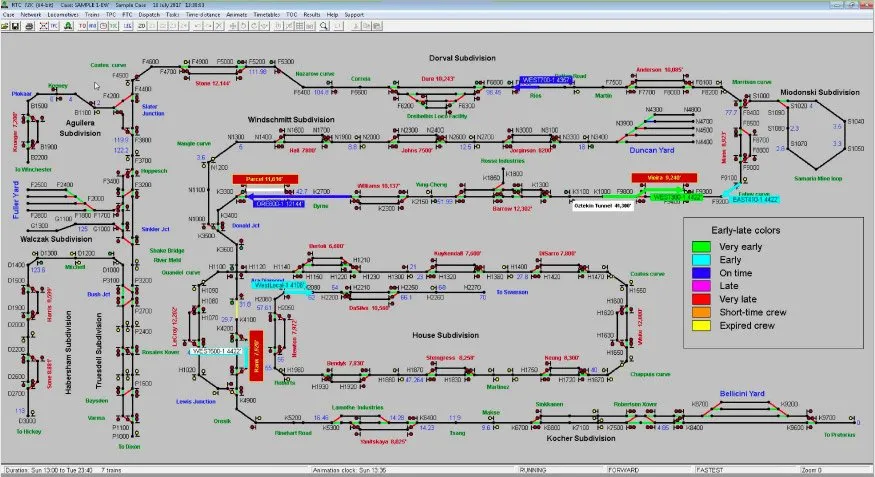
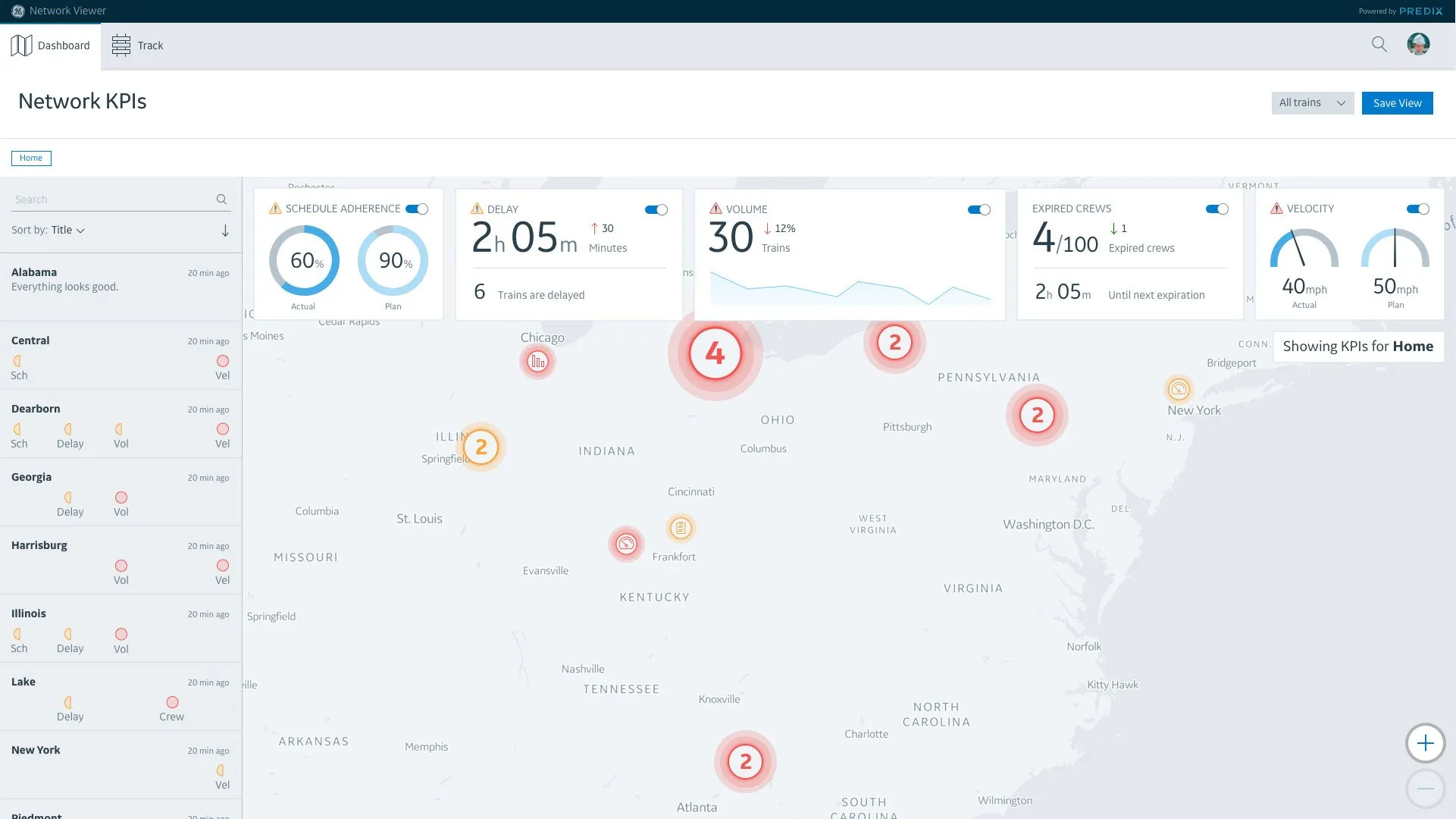
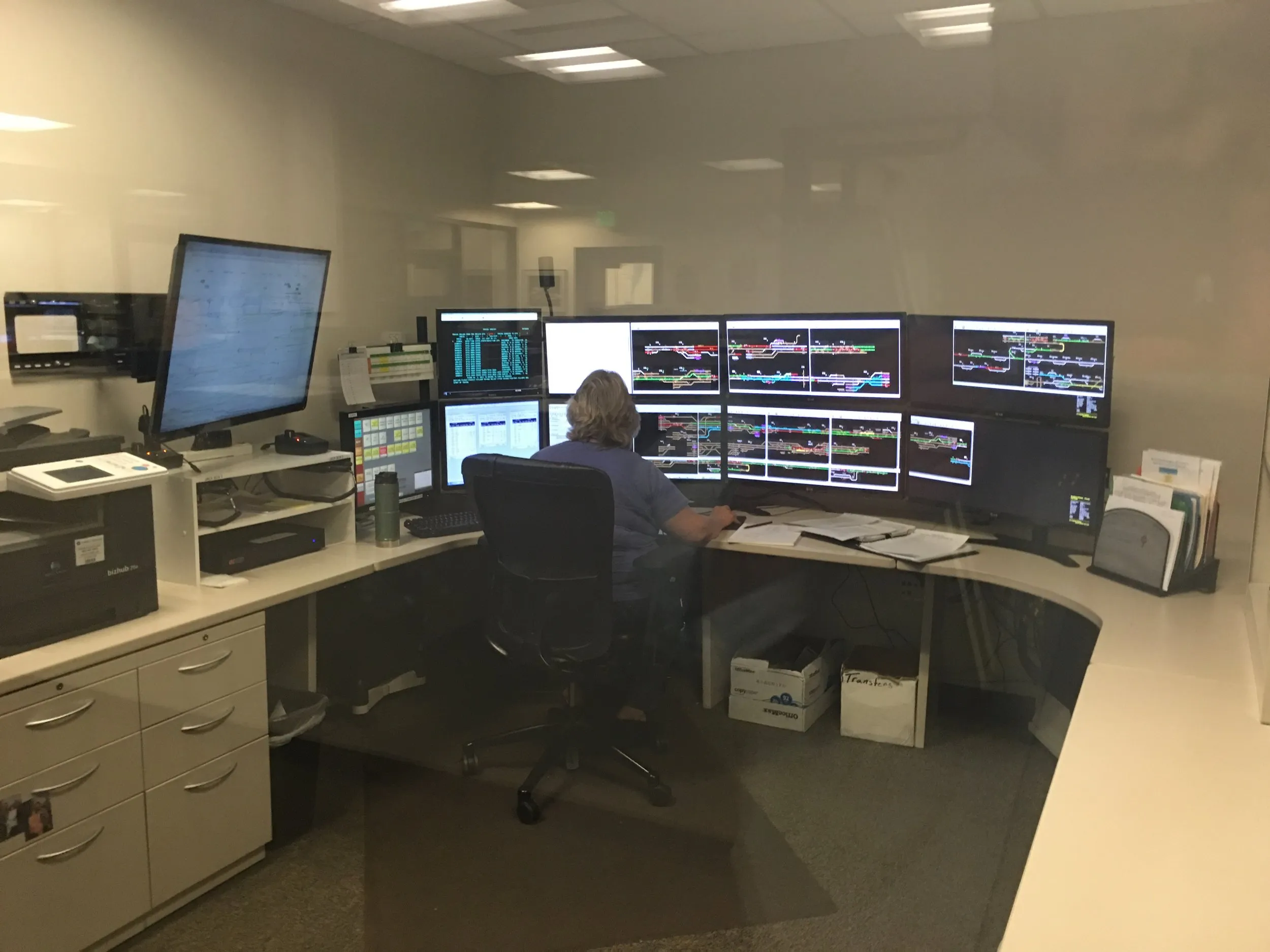
The original software’s “track view”, and a typical dispatcher’s desk. The software usually sat out of the eye-line because it was too hard to use.
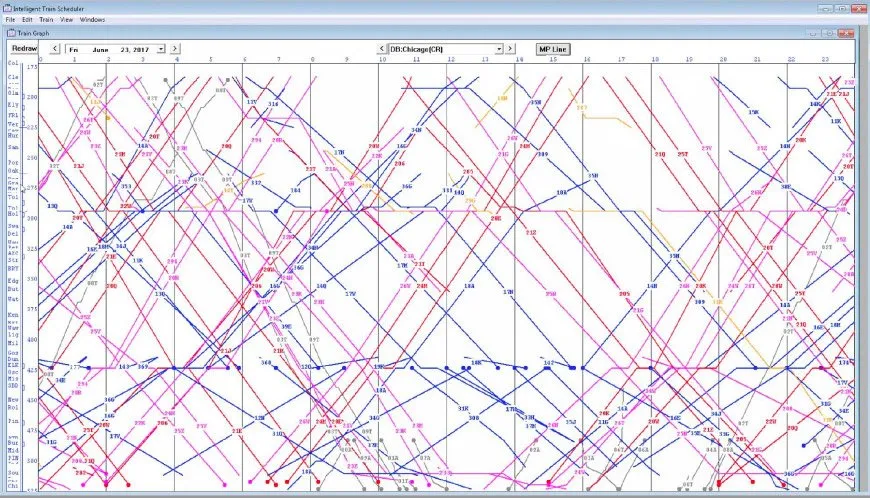
The original “string graph” view. Trainees typically took over a year to feel comfortable with it.
Explore
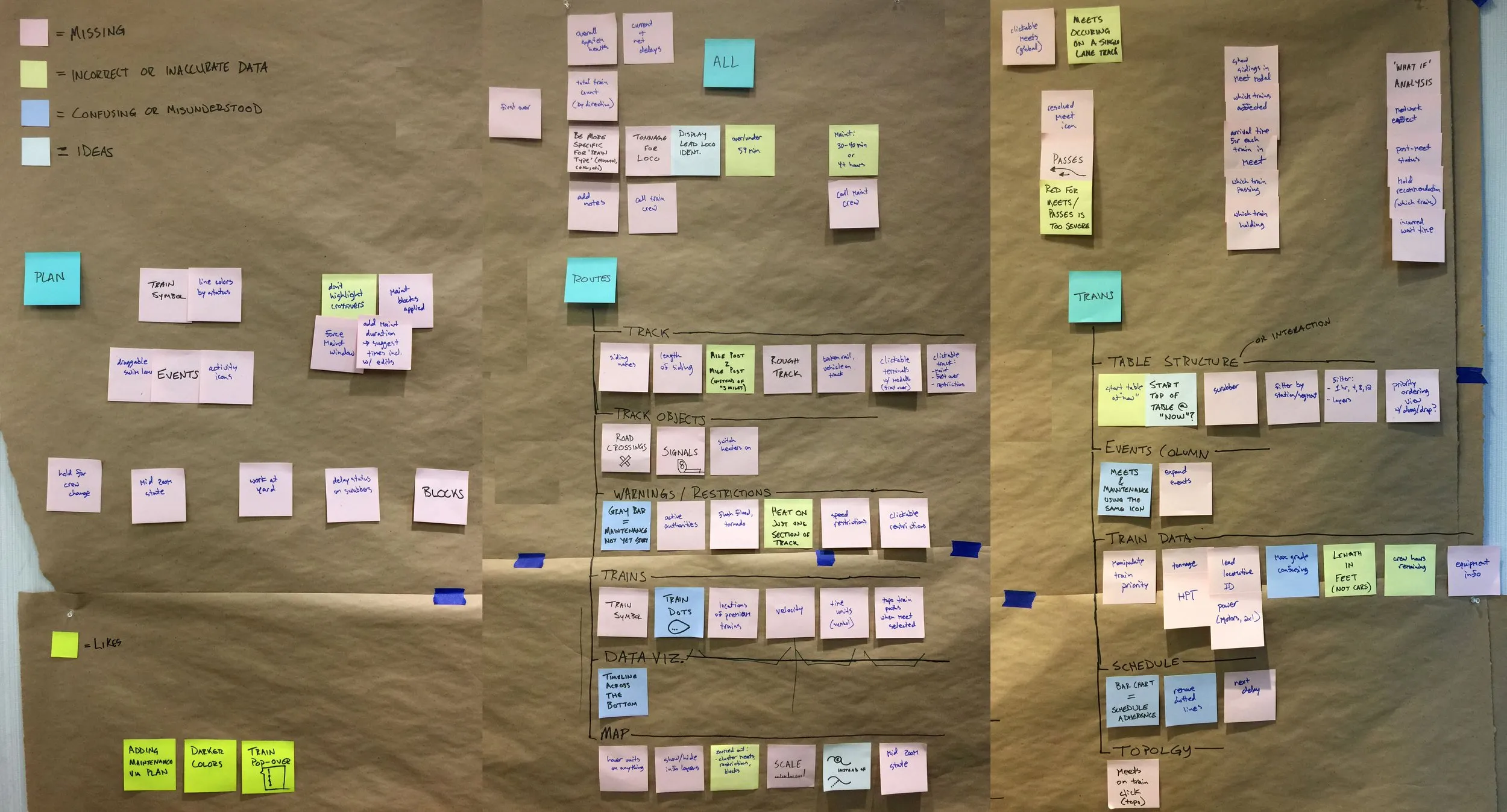
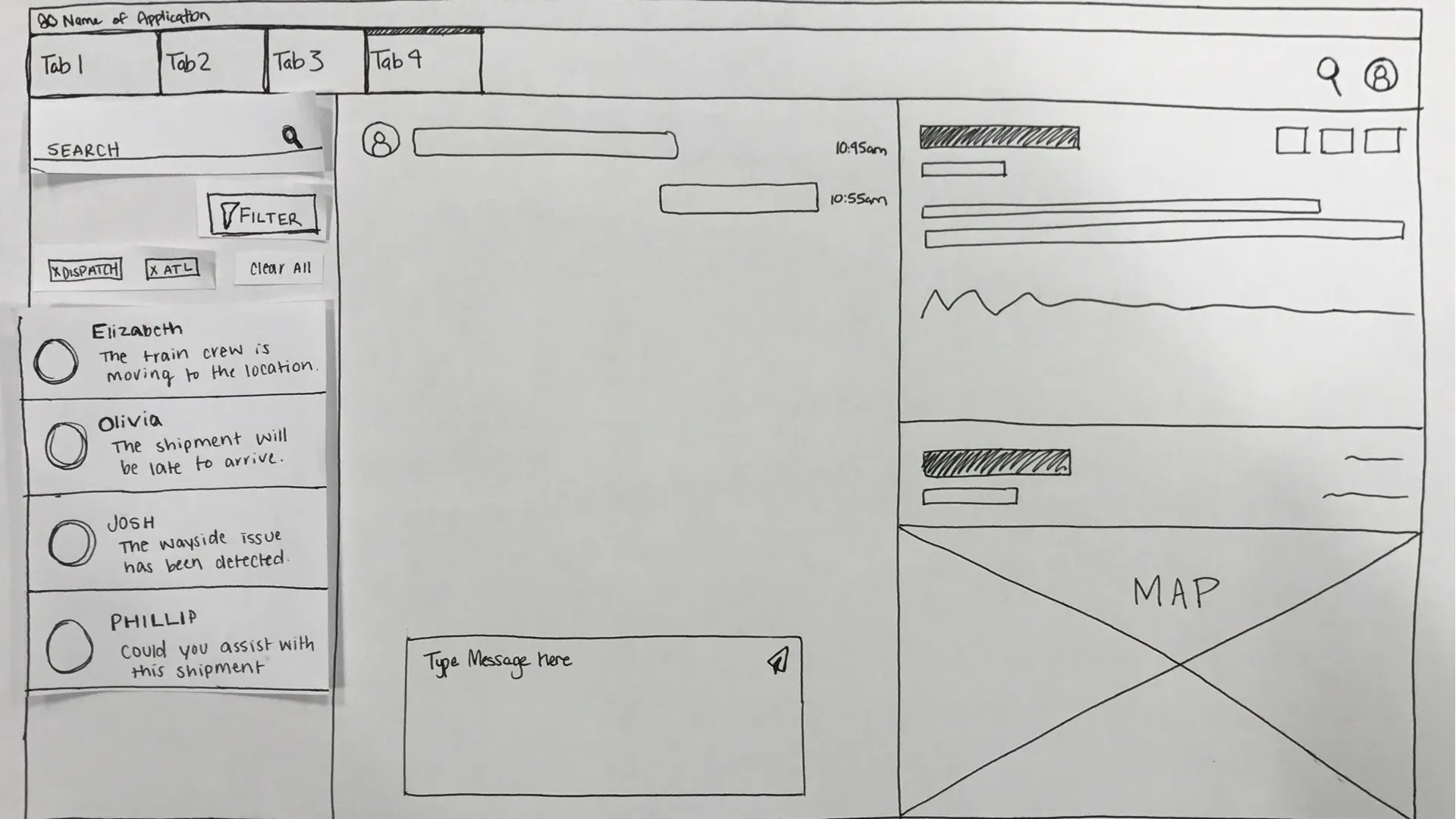
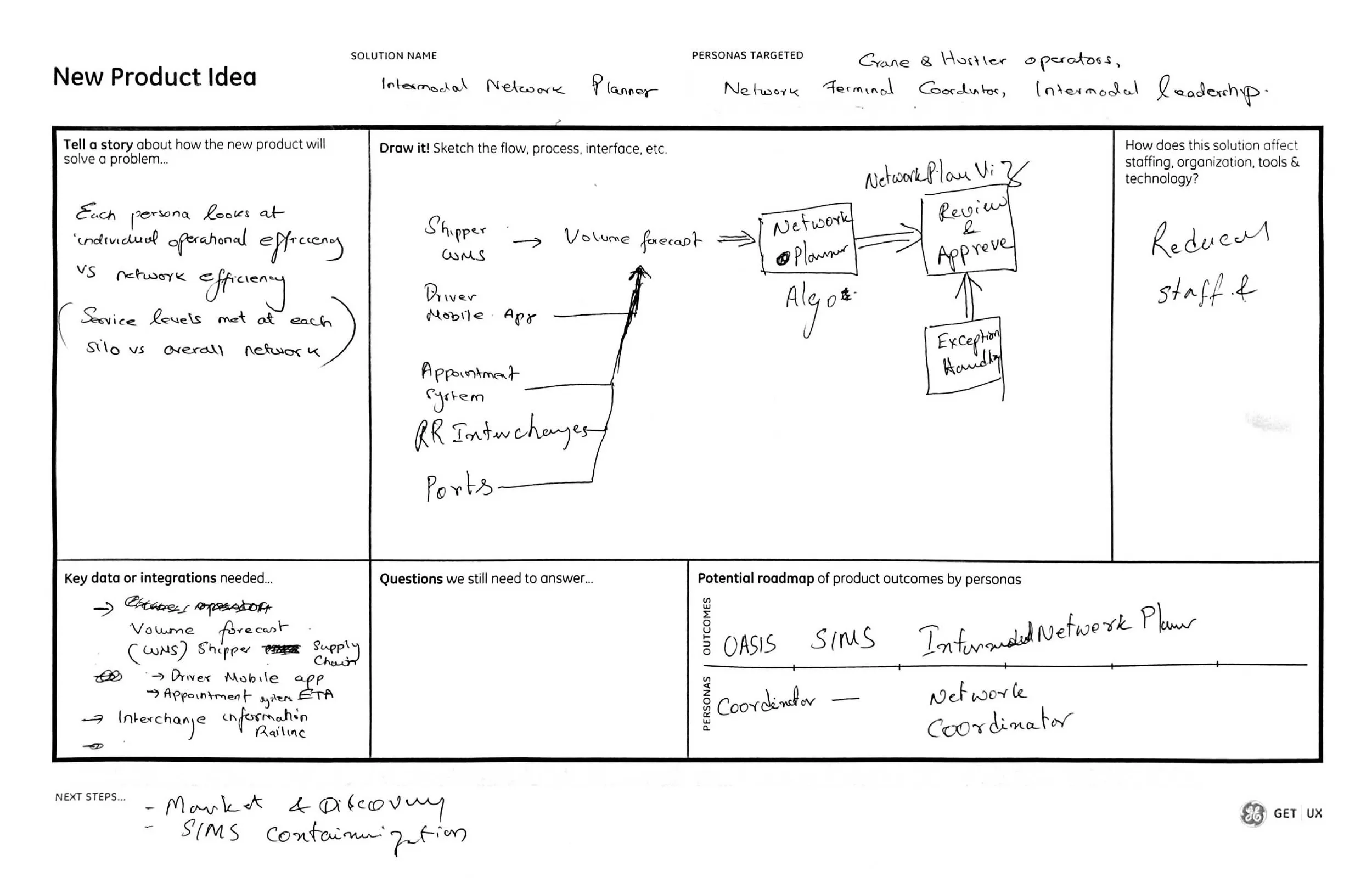
Artifacts from discovery workshops, generative workshops, and synthesis sessions.
Design
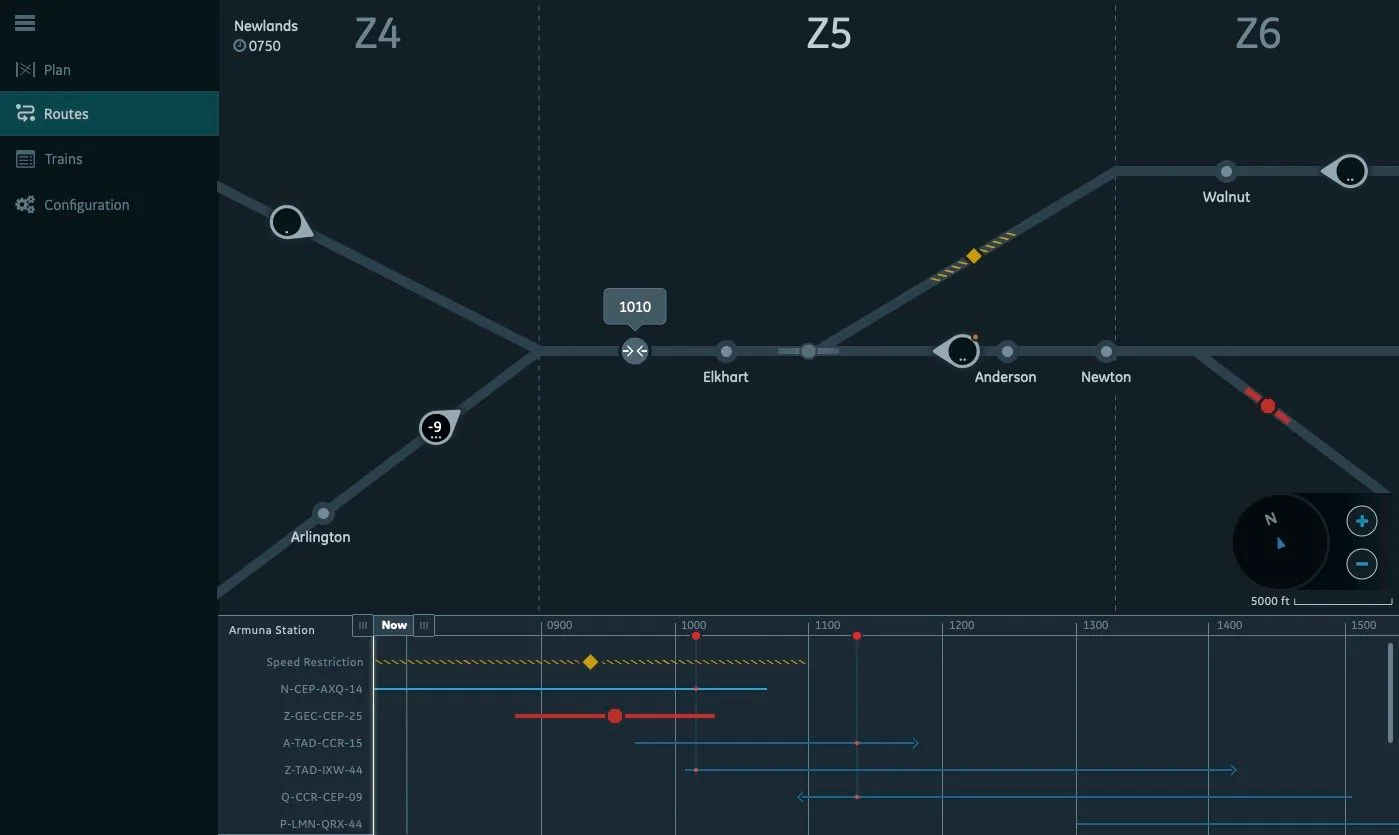
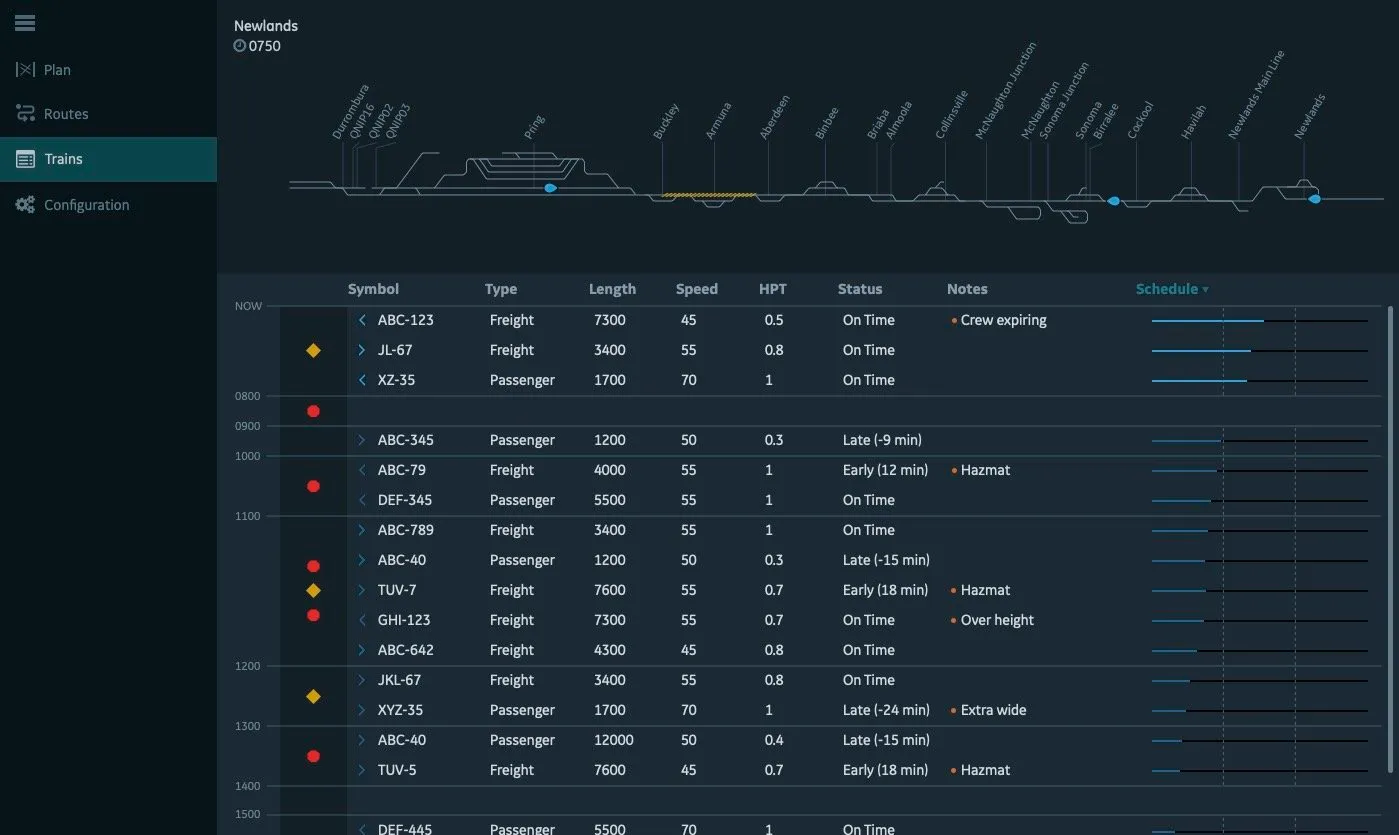
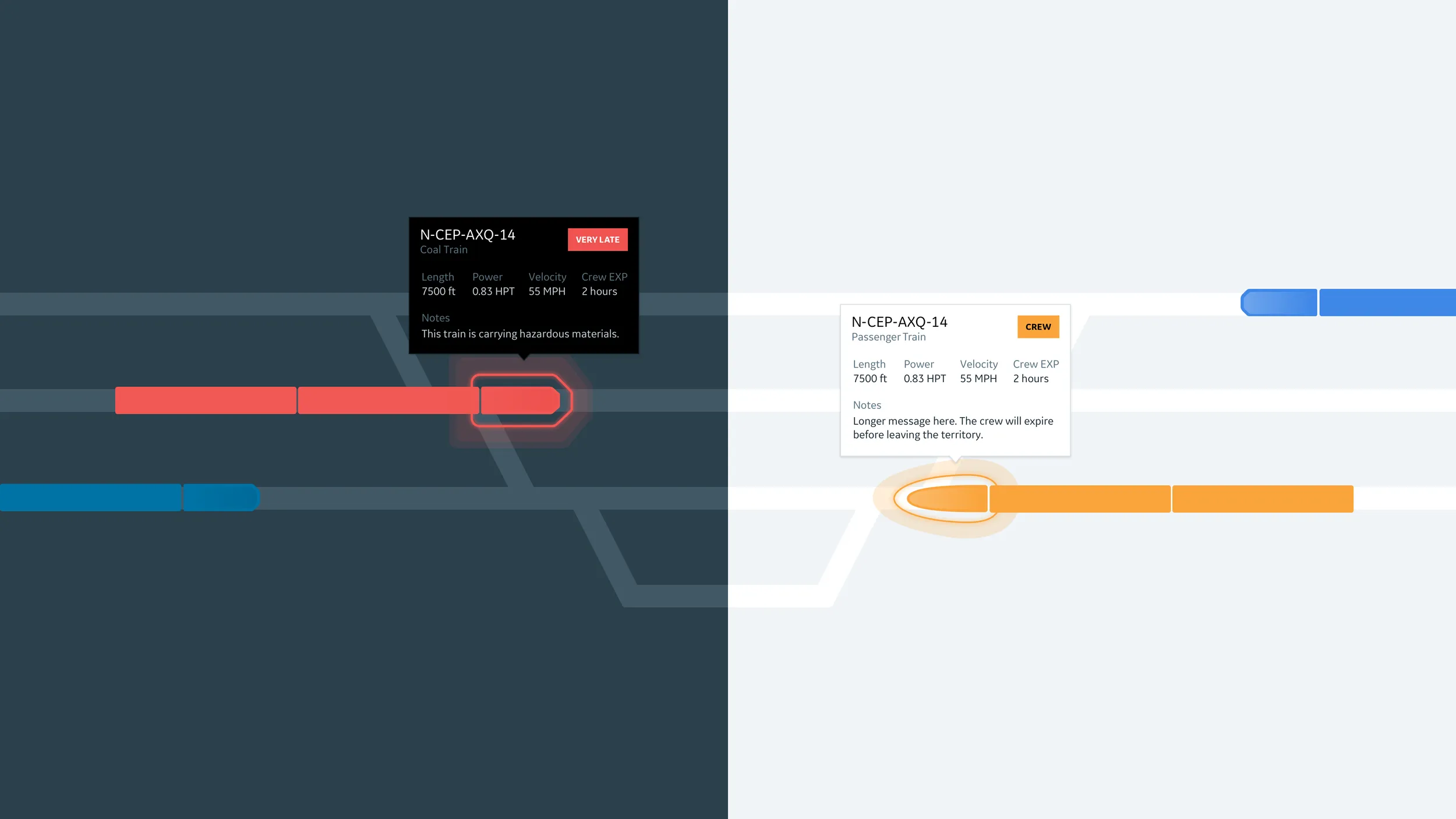
Early concepts in dark mode, made to get feedback from users and developers.
Build
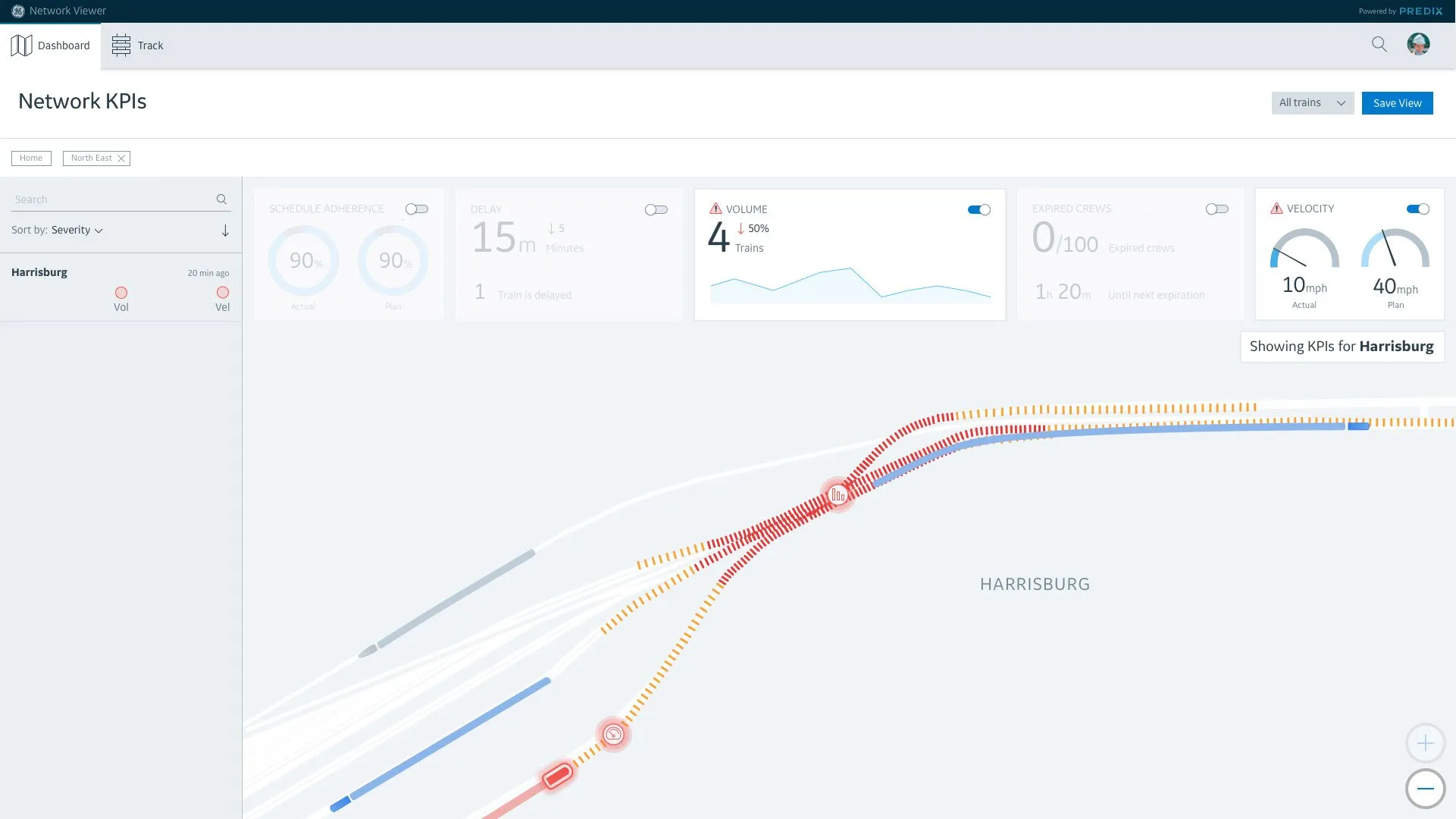
The final functional prototype, used for feedback and user testing.
Smart Intermodal Terminal
Modernizing mission-critical rail operations
Redesigning the 20-year-old Smart Intermodal Terminal product—used in thousands of rail yards across North America—was a high-stakes transformation. Partnering with a key customer operating over 25 major intermodal yards (where just one hour of downtime costs $1 million) underscored the critical nature of this effort.
We began with a three-month discovery sprint across multiple yard locations, validating the problem space and co-creating a product strategy that aligned tightly with both business and customer objectives. The multi-year initiative ultimately impacted hundreds of thousands of workers, truckers, and logistics companies.
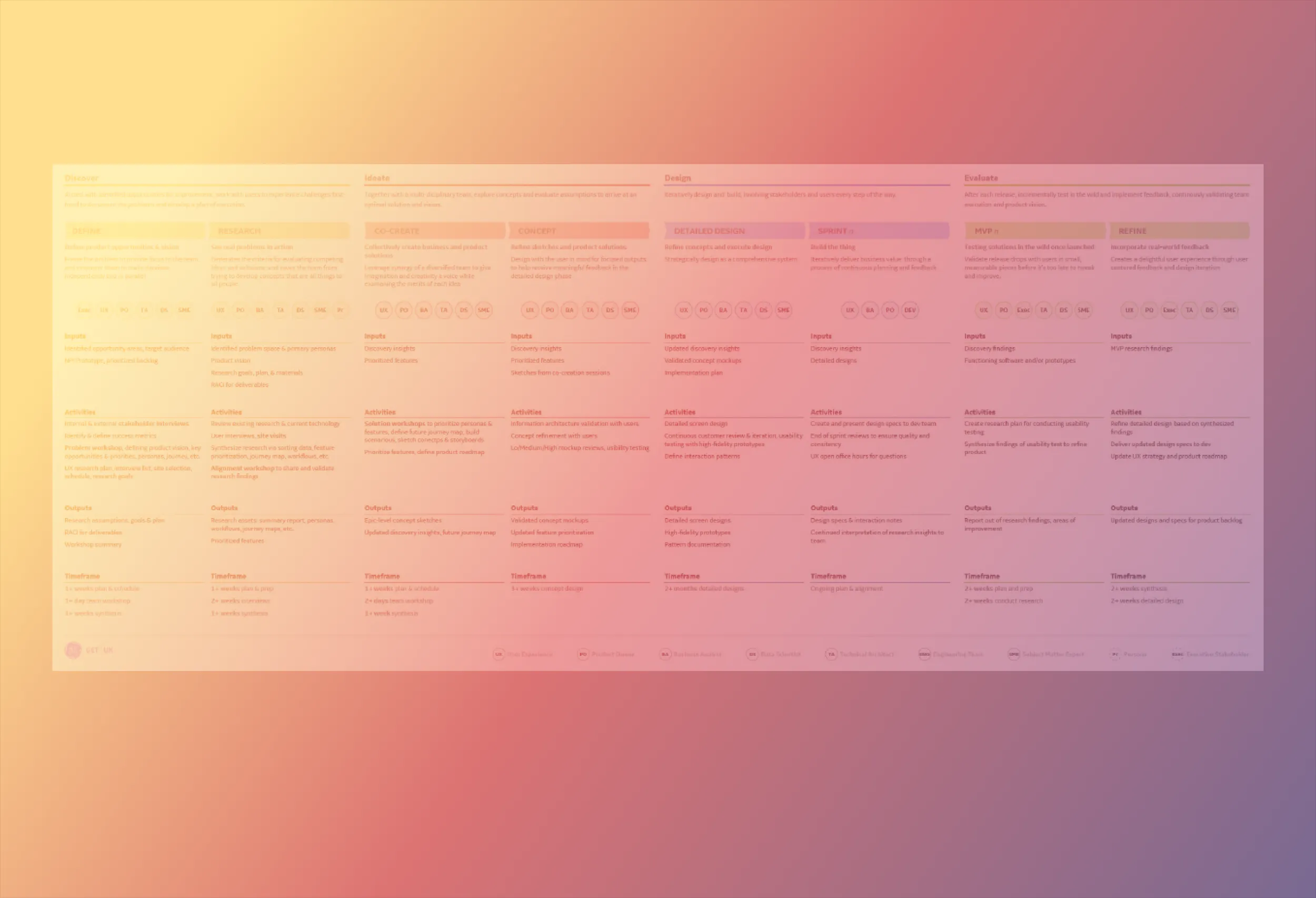
To maintain strategic momentum, the UX team worked one quarter ahead of engineering, enabling a steady cadence of new product releases every six months. This work became the prototype for our Enterprise UX framework, setting a new standard for transforming large-scale, complex industrial software systems.
Discover
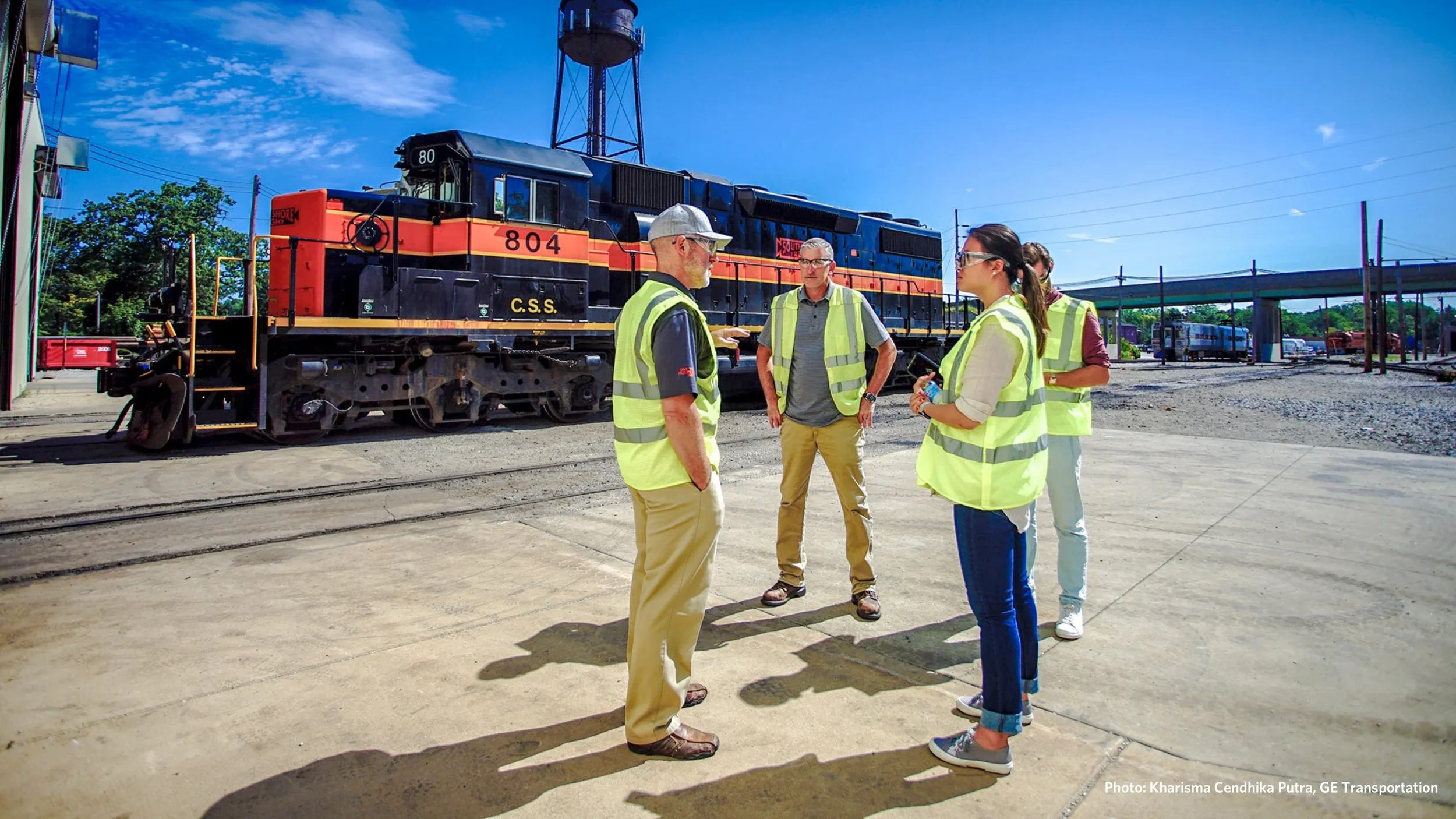
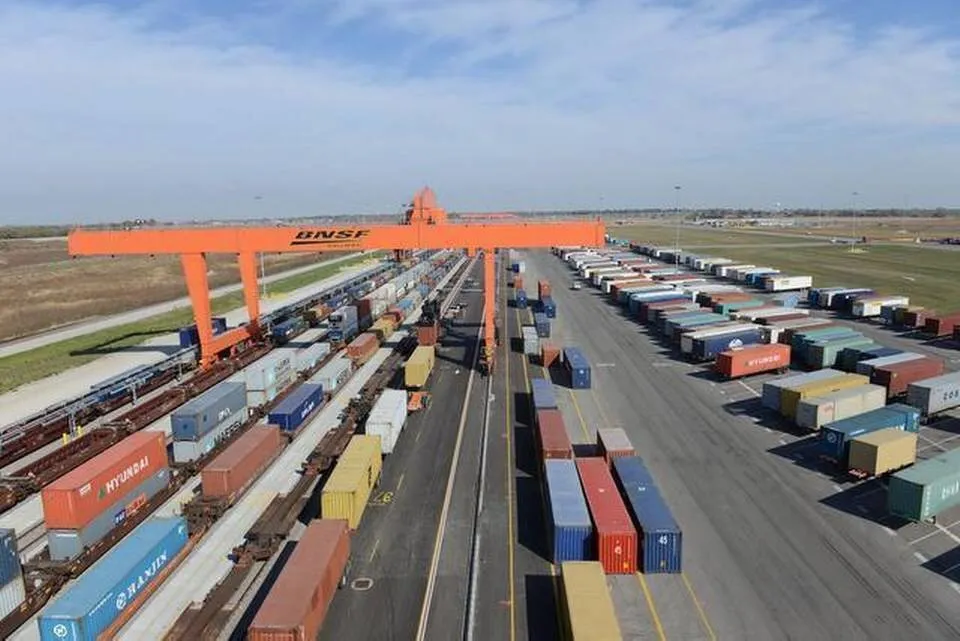
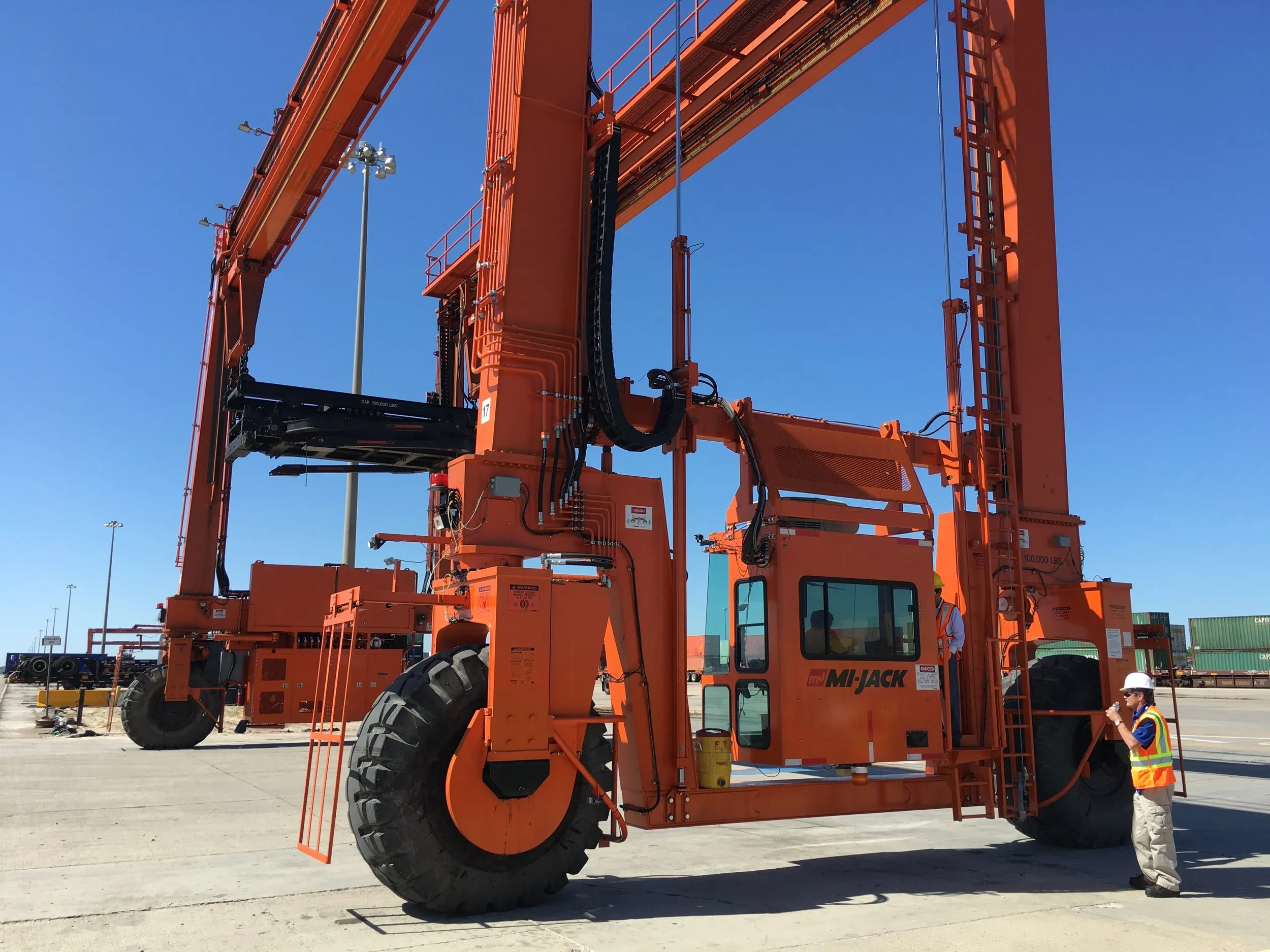
On-site discovery trips to understand the current process and its pain points.
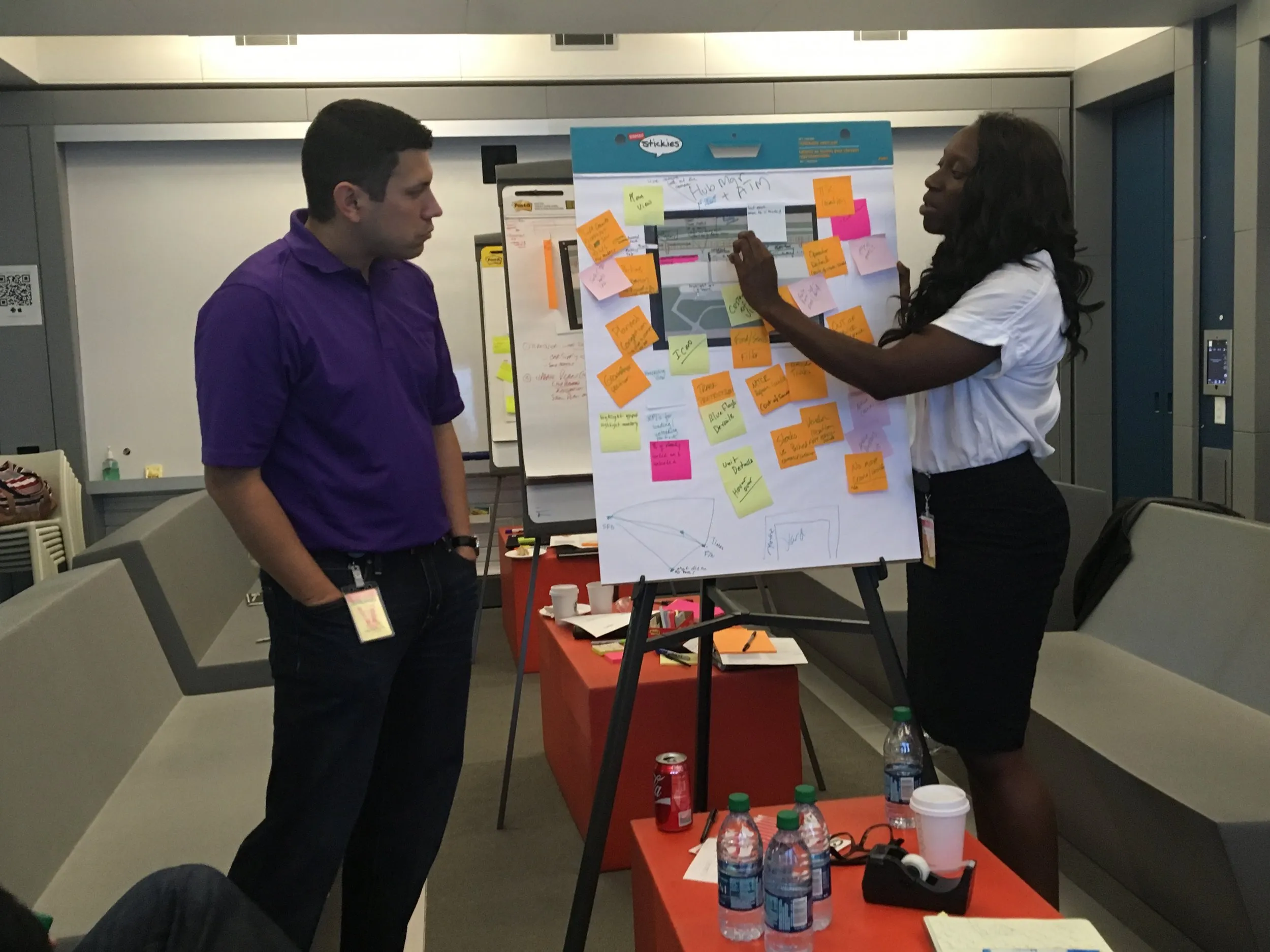
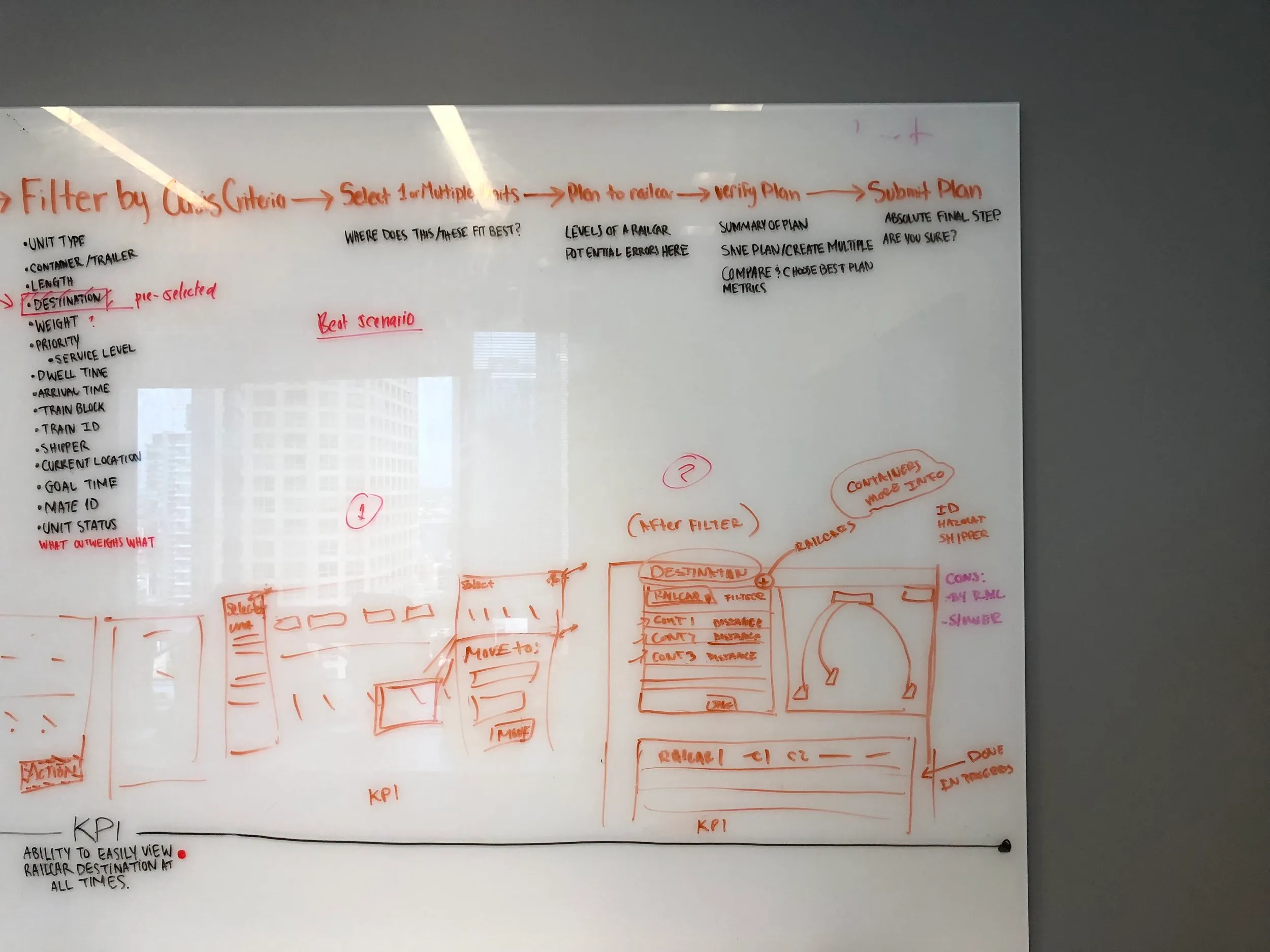
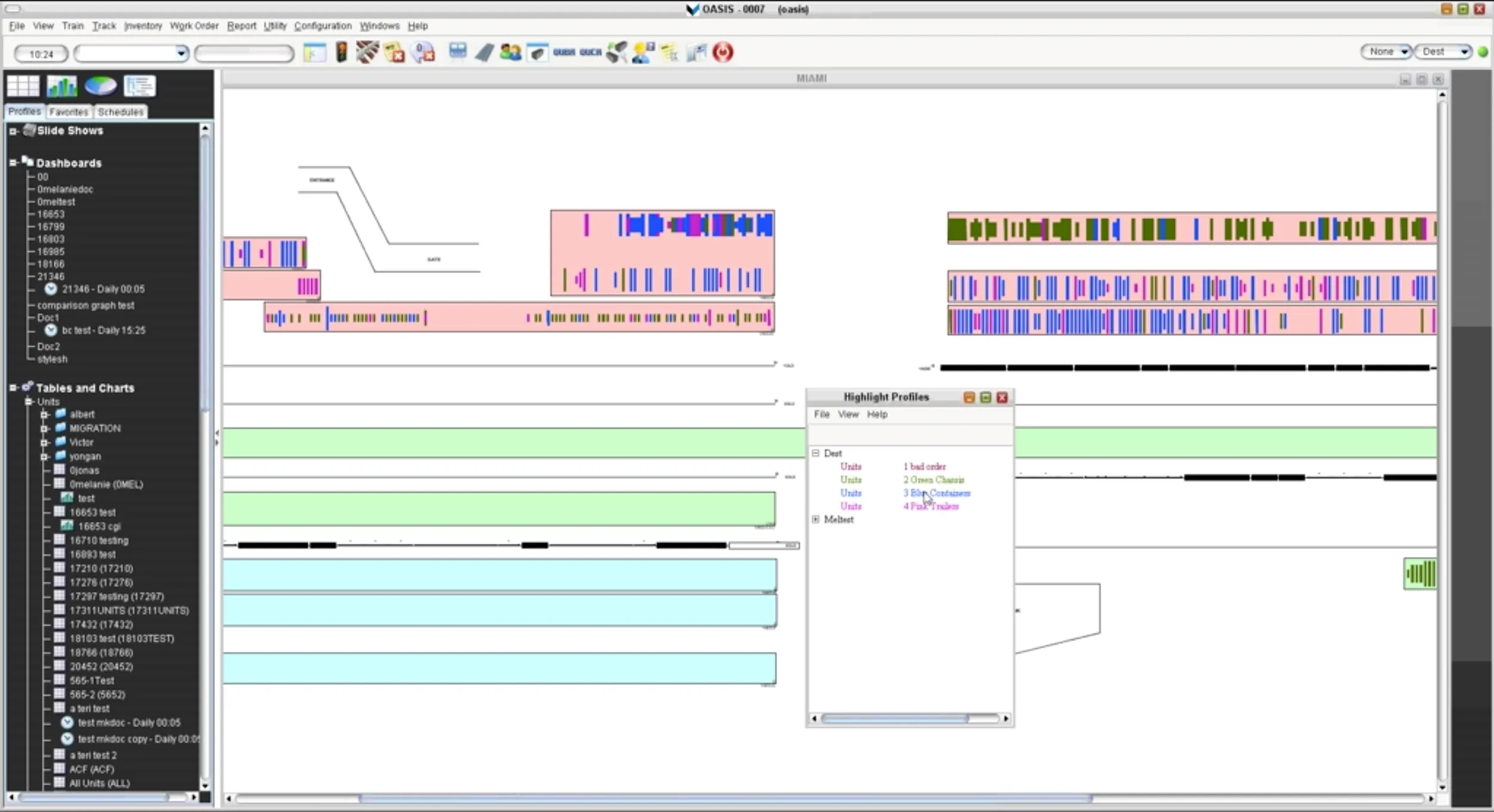
A workshop, one of its whiteboards, and the original product showing incomplete data.
Explore
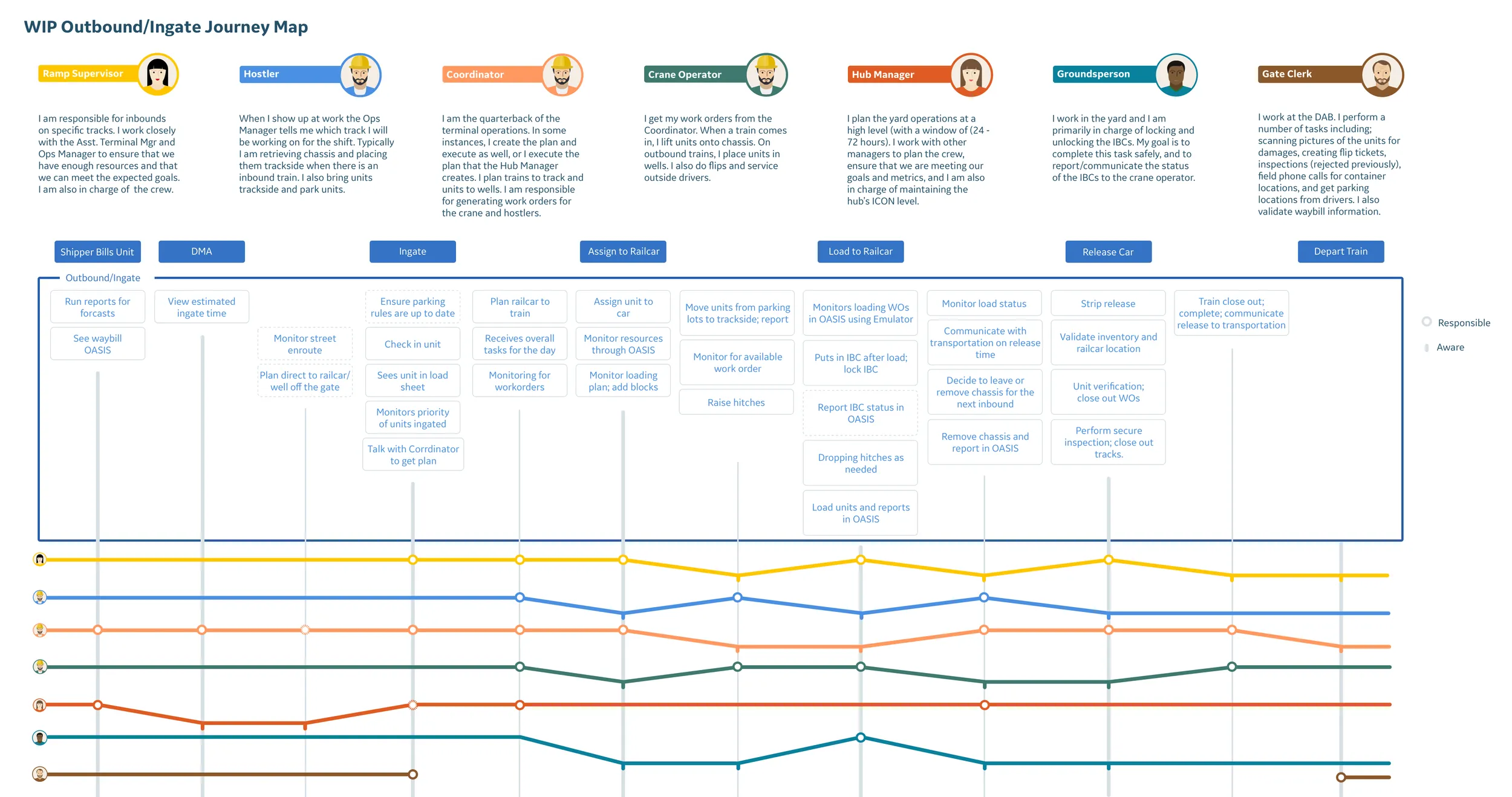
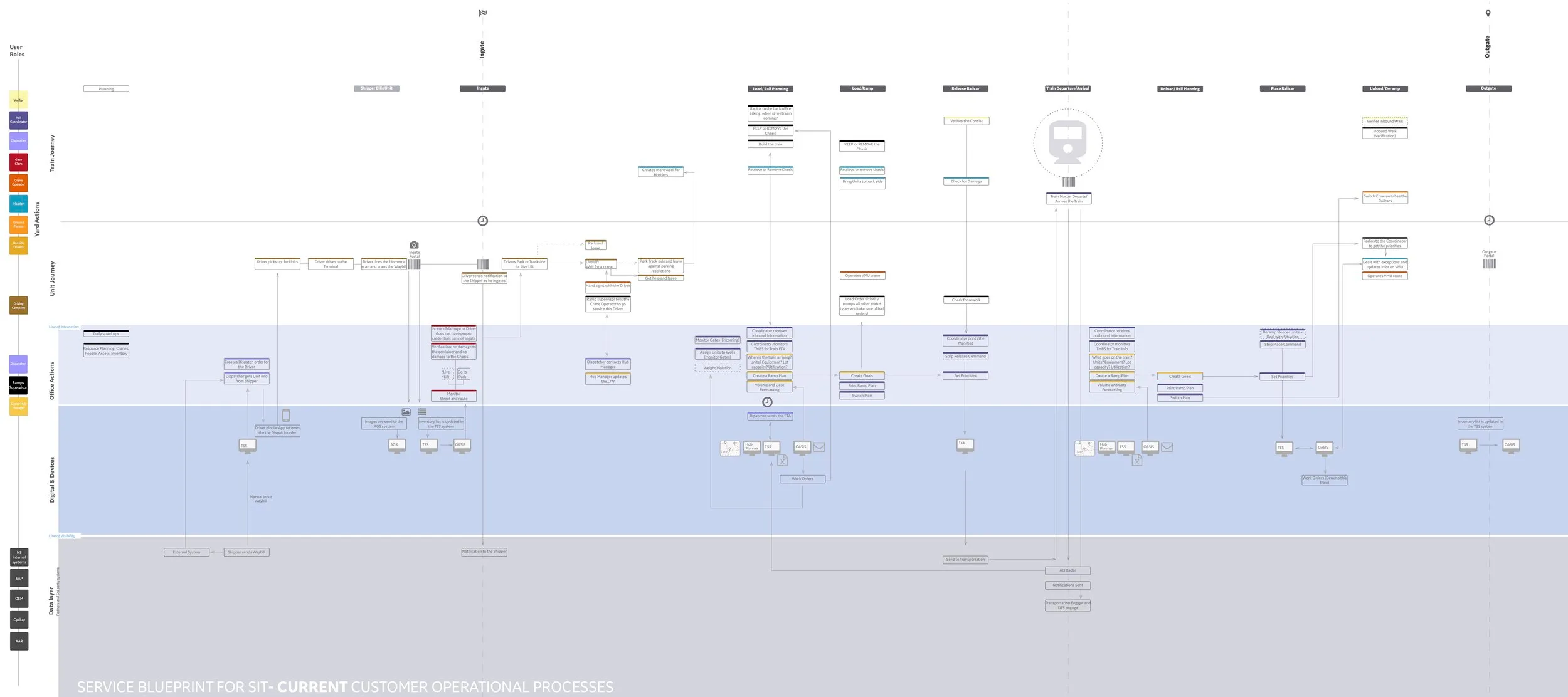
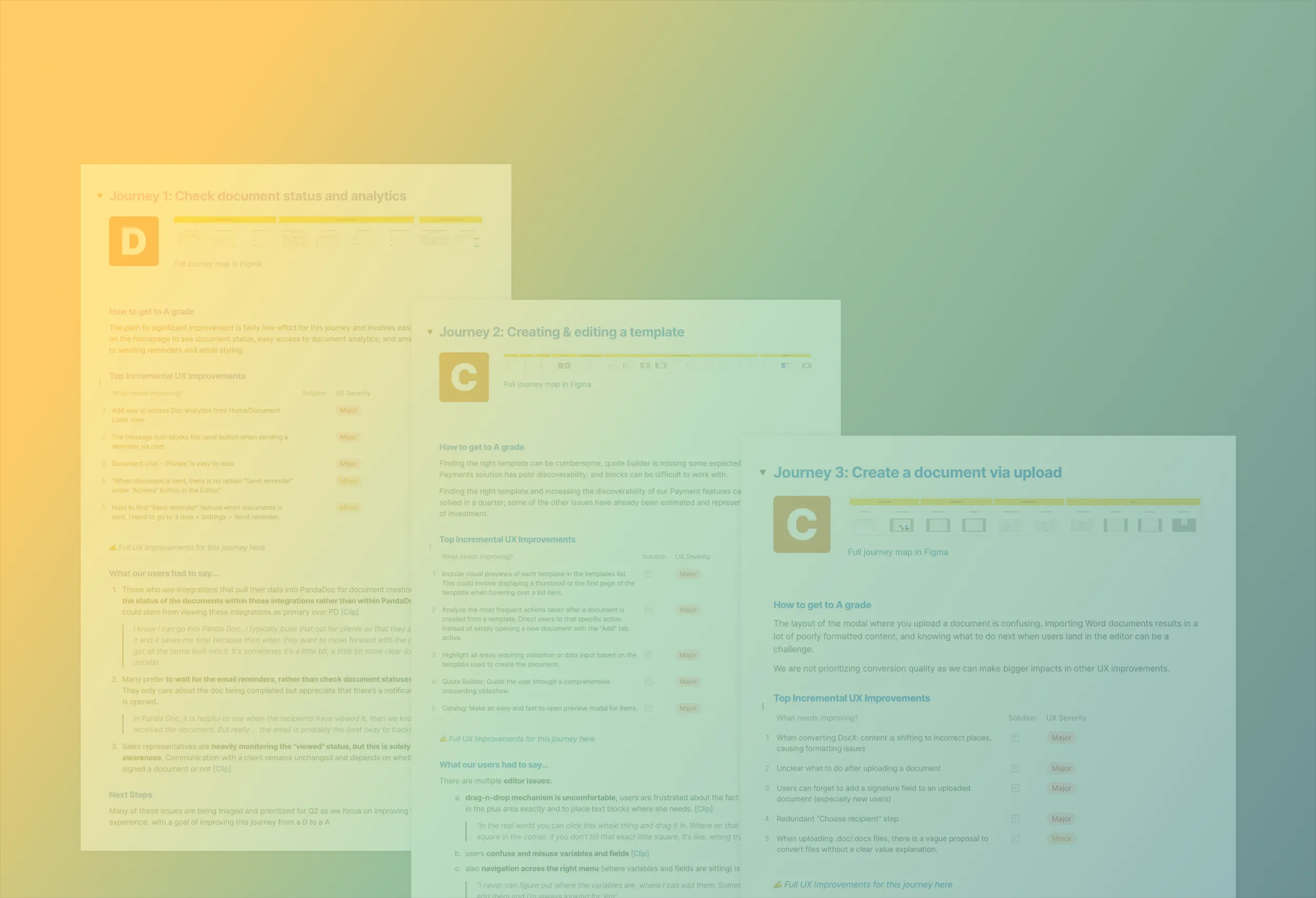
The journey map for a key railyard process, and a service blueprint of existing operations.
Design
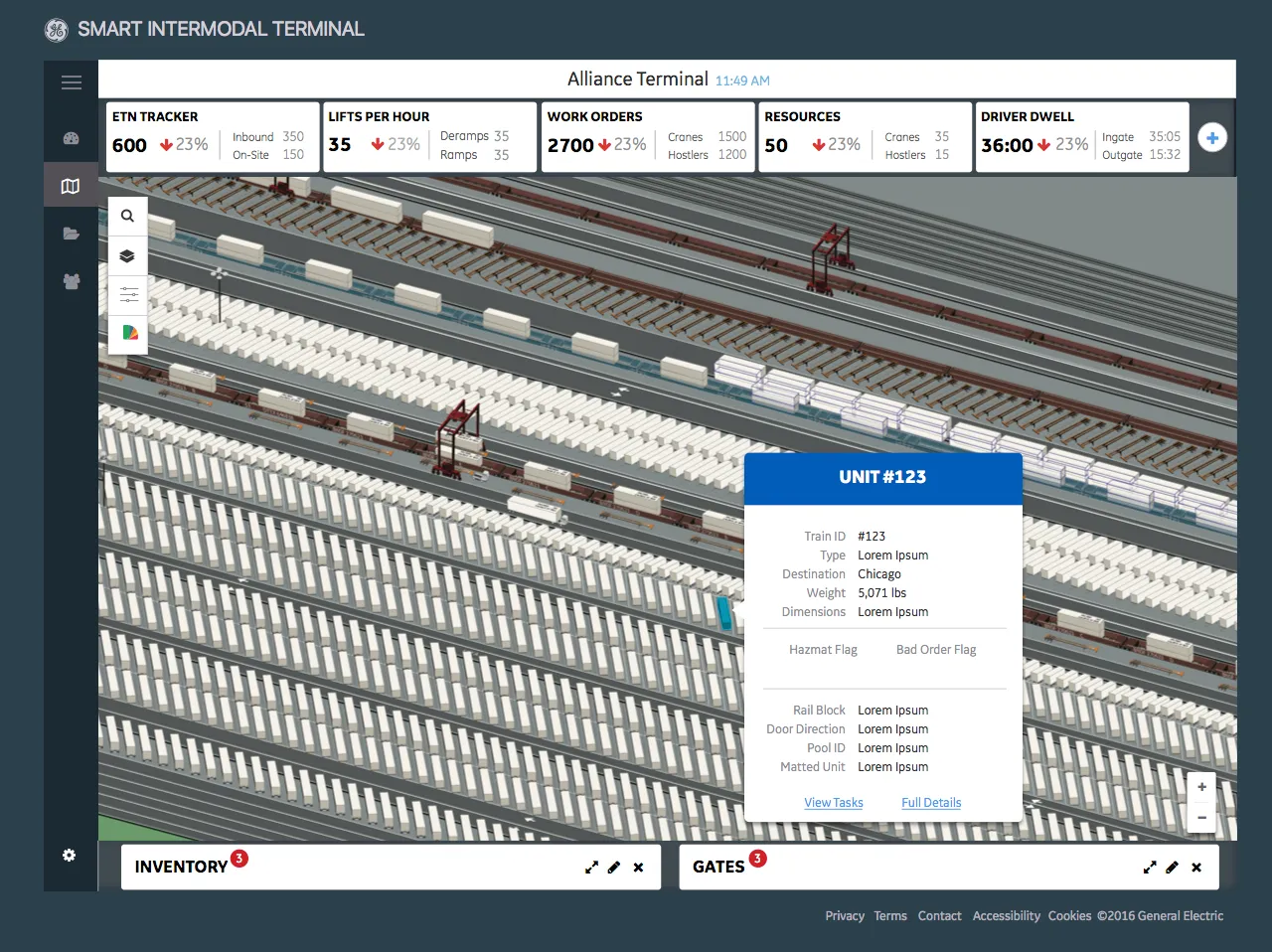
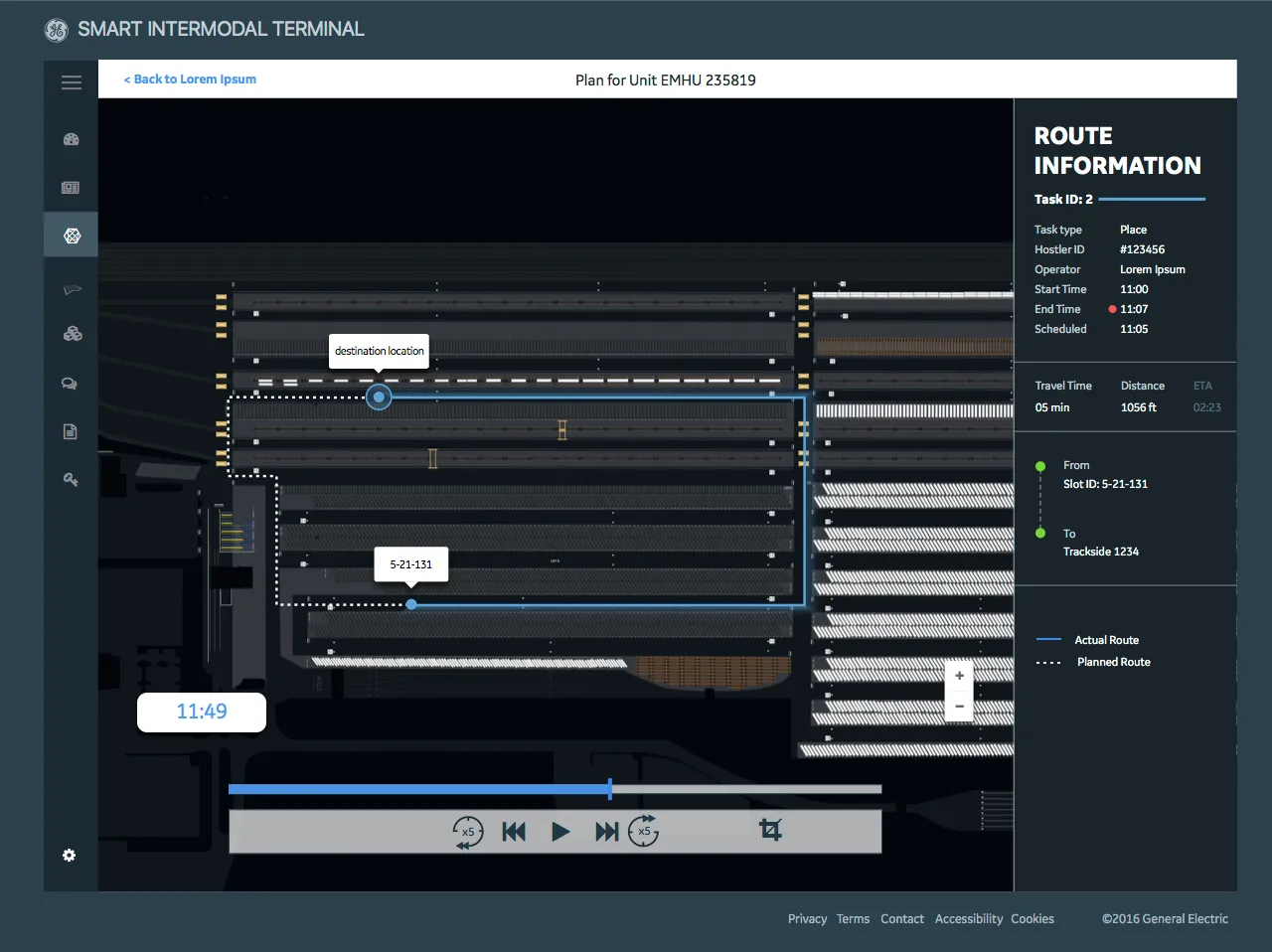
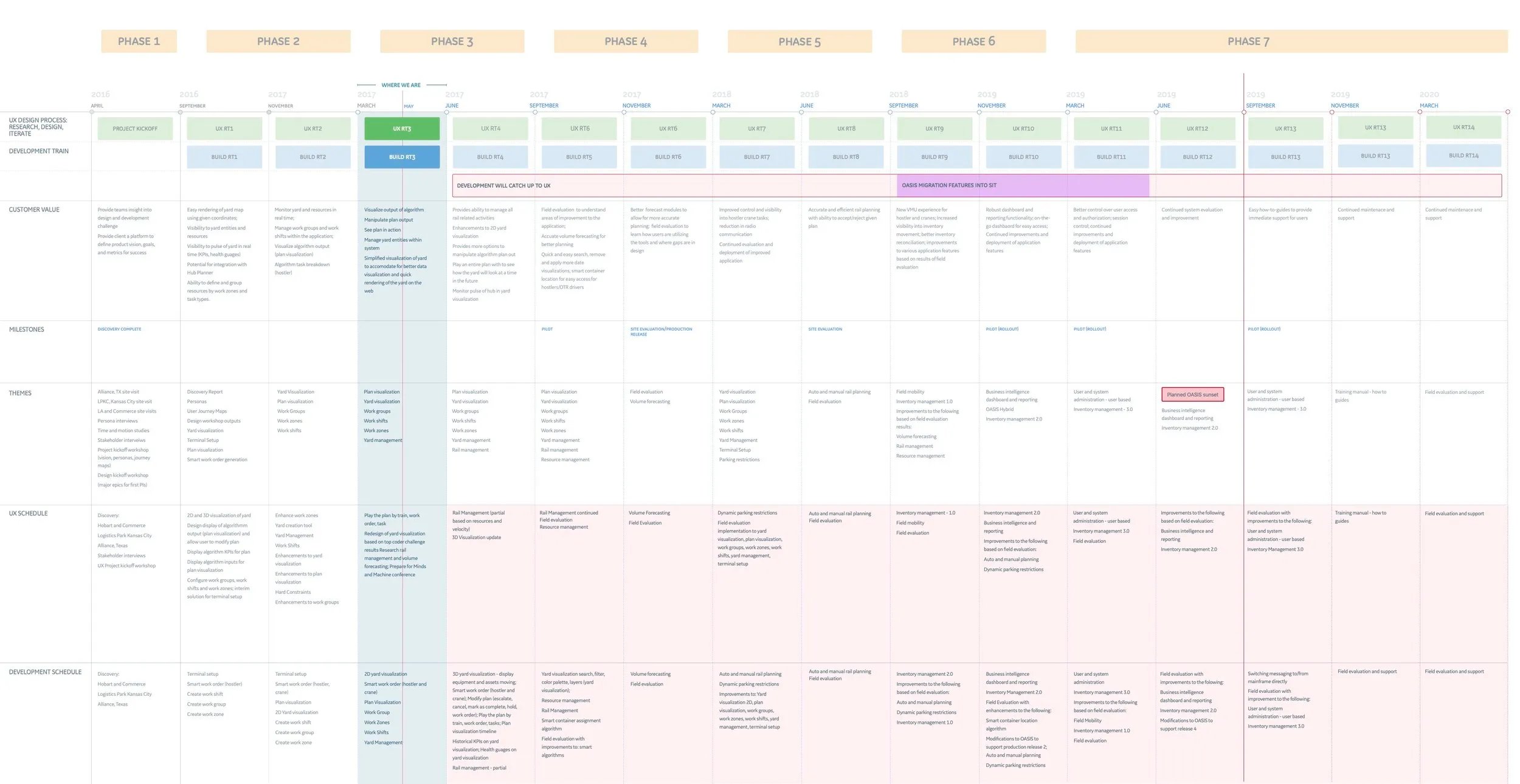
Early designs for user feedback and technical feasibility, and the detailed UX timeline that kept design on pace across a multi-year project.
Build
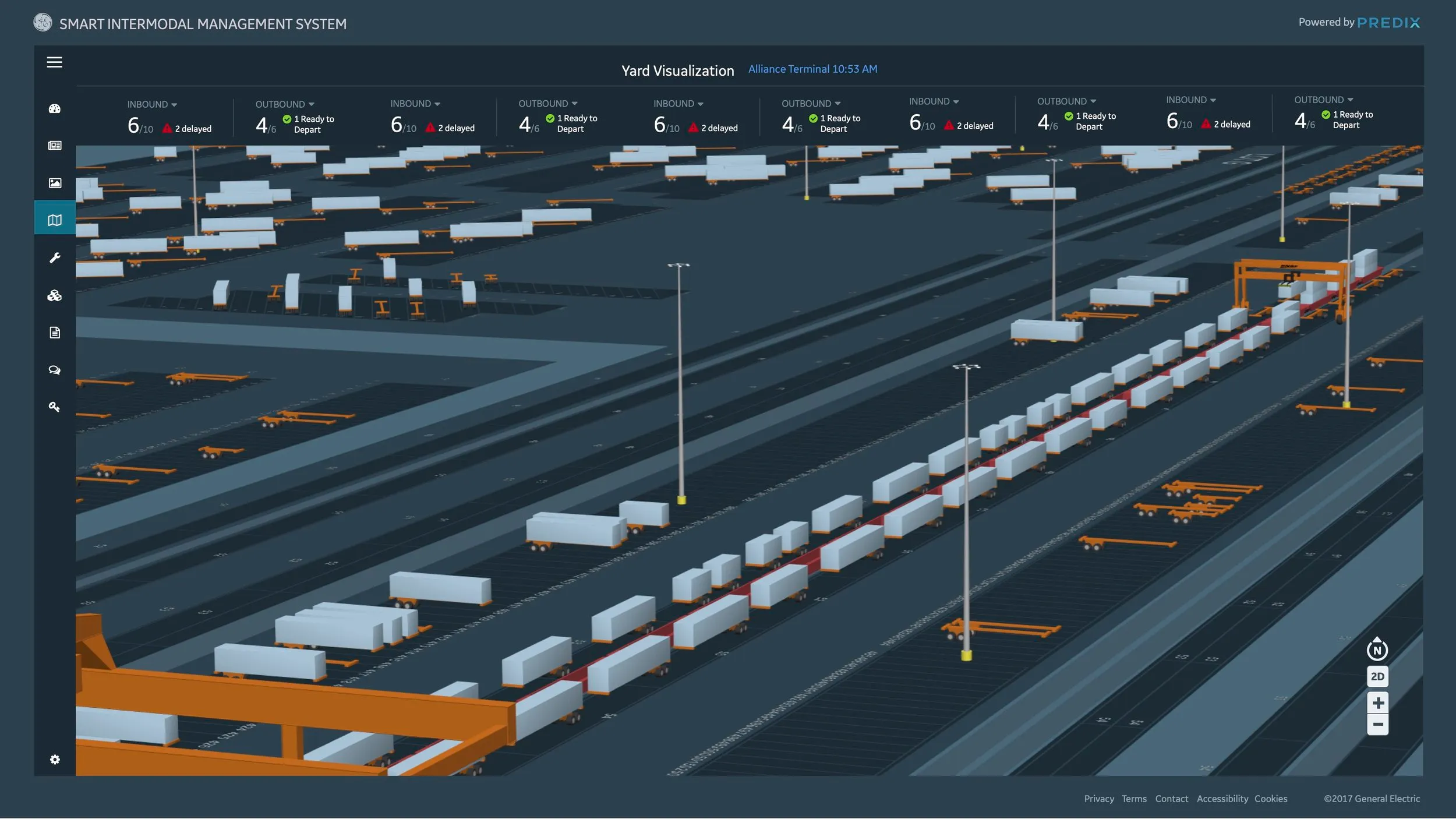
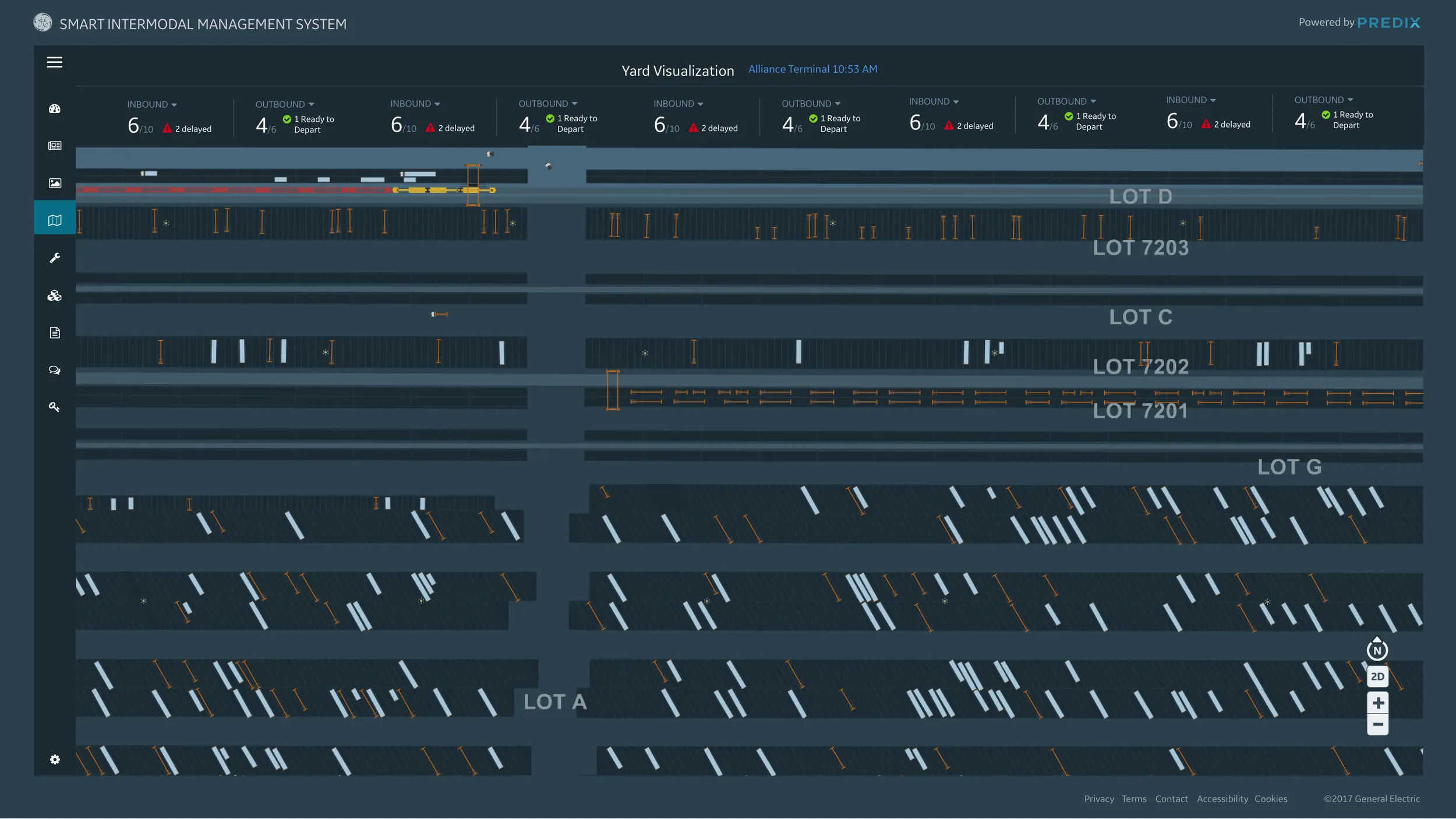
The beta version: a bird’s-eye view of the yard, and a real-time 3D view.
Smart Automotive Terminal
Standardizing a fragmented shipping network
The Smart Automotive Terminal project tackled a deeply fragmented system—our initial research revealed no standardized processes across the entire network of automotive shipping terminals. This lack of consistency created communication breakdowns and made onboarding new employees unnecessarily difficult.
To solve it, we conducted extensive user research and discovery, mapping the operational nuances of each terminal and customer. From this complexity, we synthesized common procedures and designed a flexible, scalable workflow that served the entire network.
The resulting platform, deployed across hundreds of locations and partners on both mobile and desktop, dramatically improved usability and process clarity. Executive stakeholders and frontline users alike praised the standardized workflows and intuitive interface—turning a once-chaotic system into a streamlined, scalable solution.
Discover
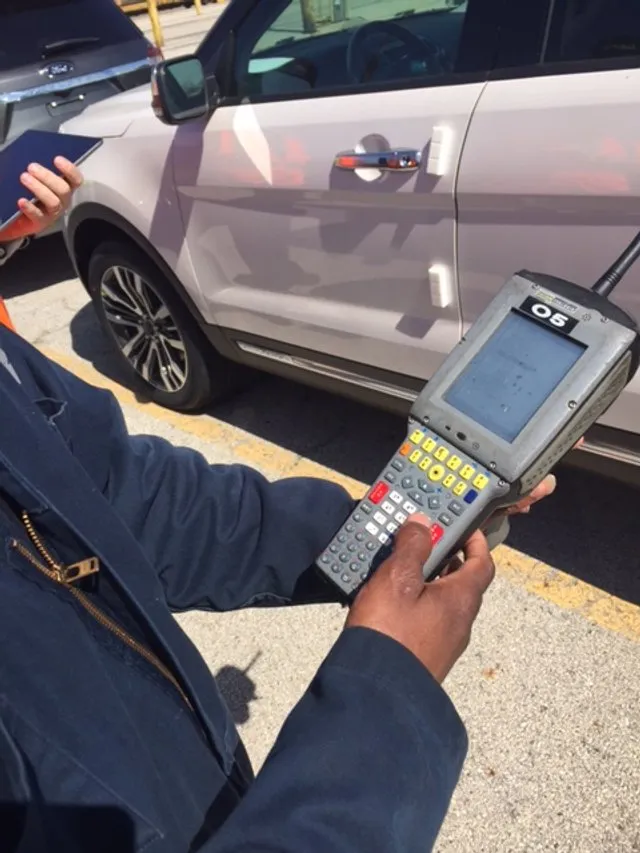
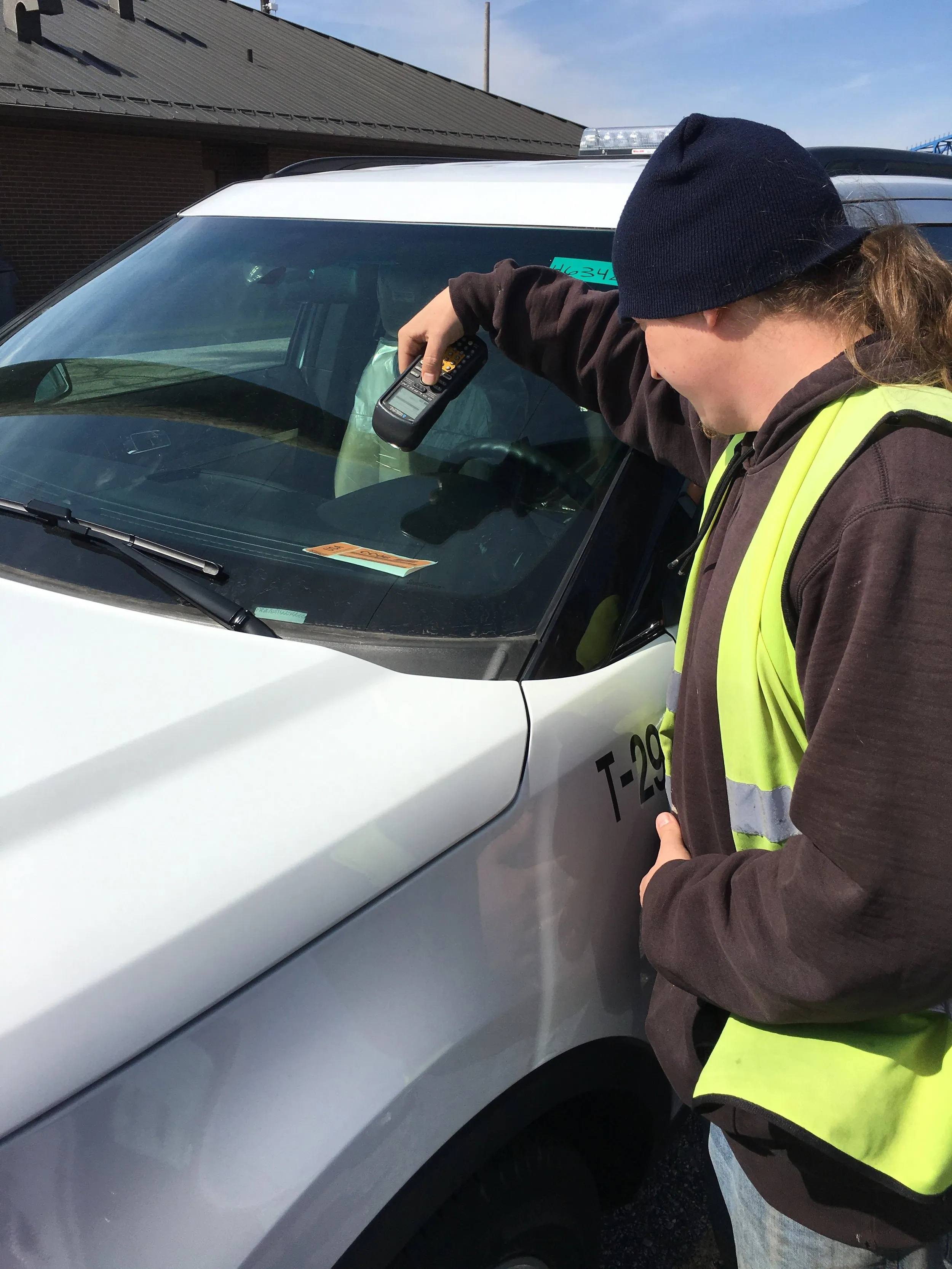
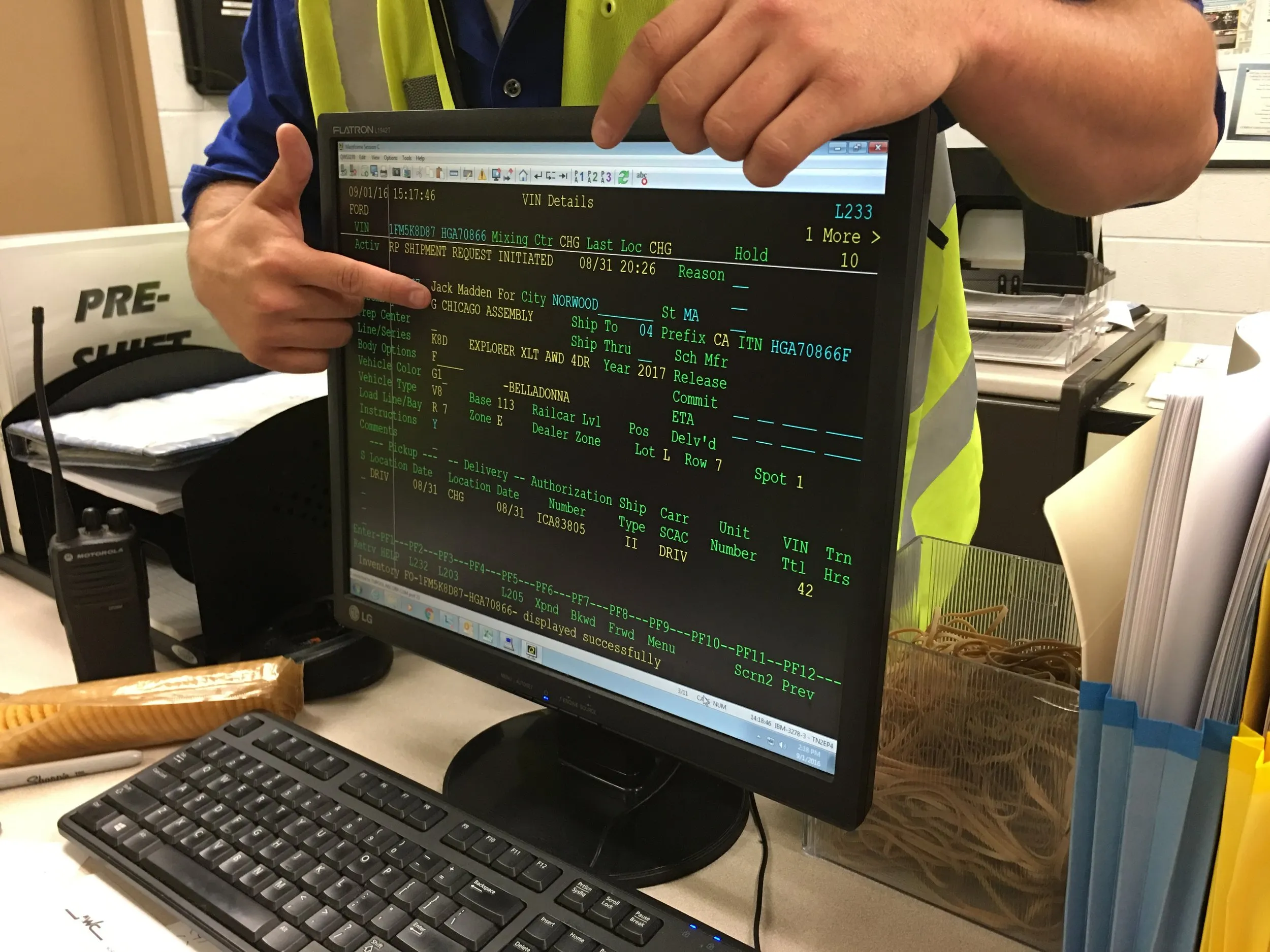
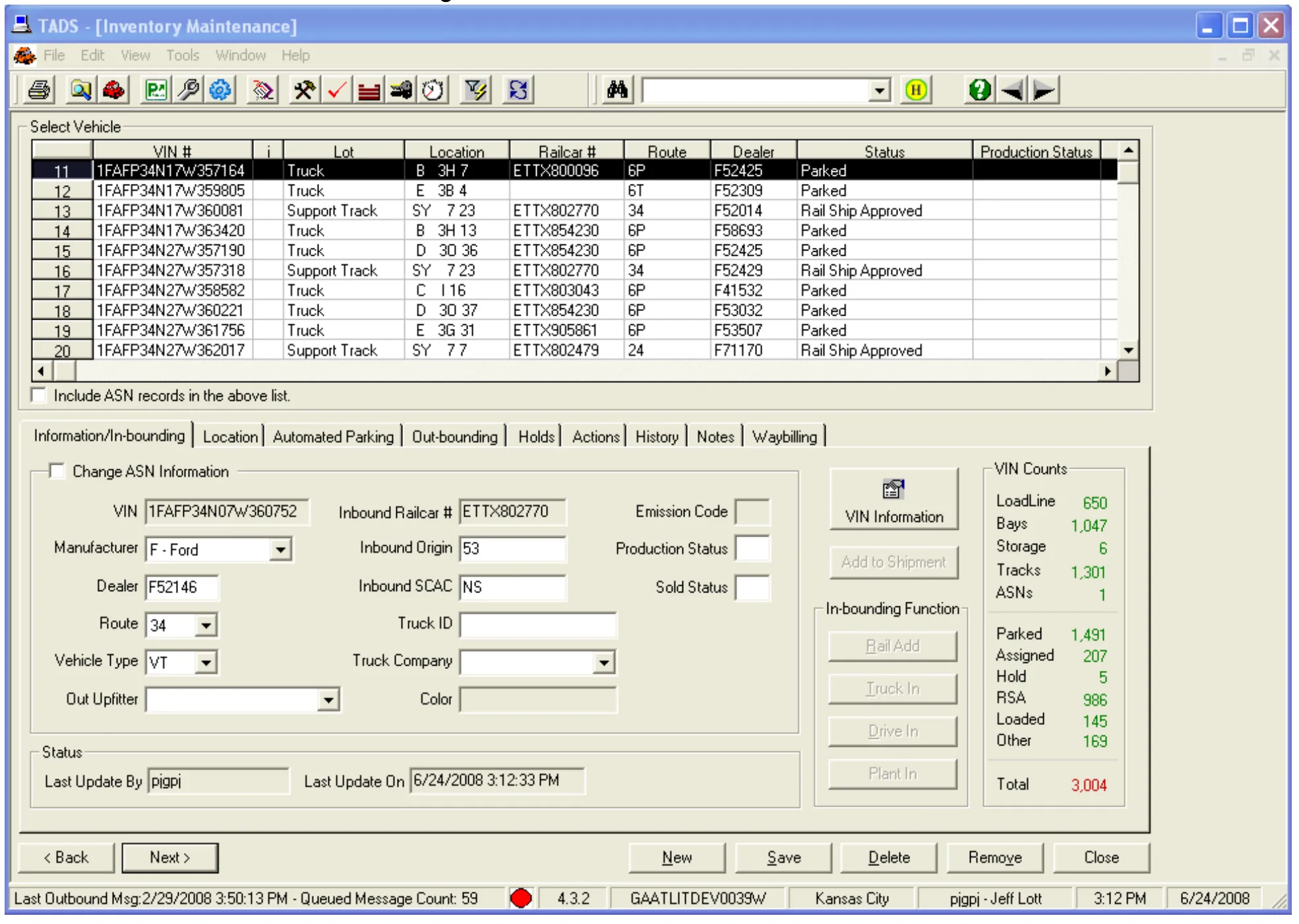
Discovery trips to see the current tools in use, and one of the existing systems customers relied on.
Explore
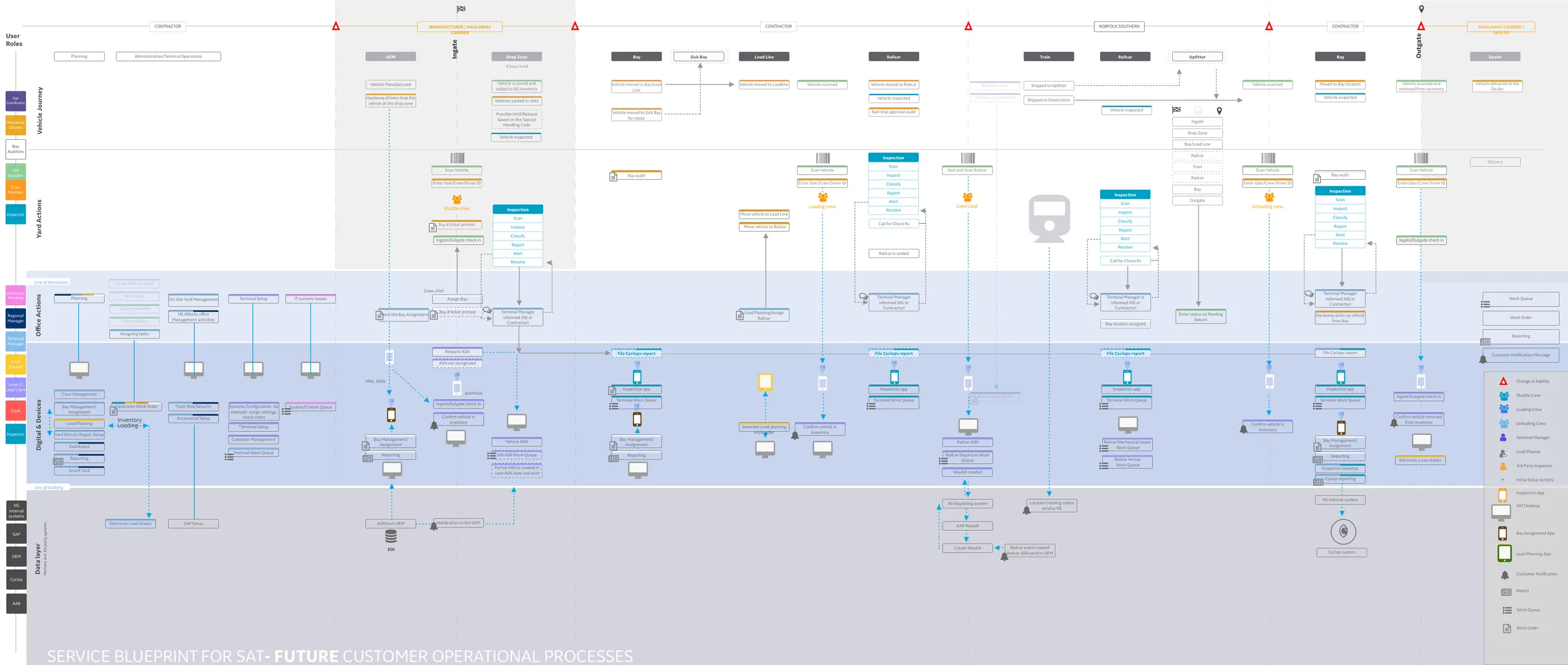
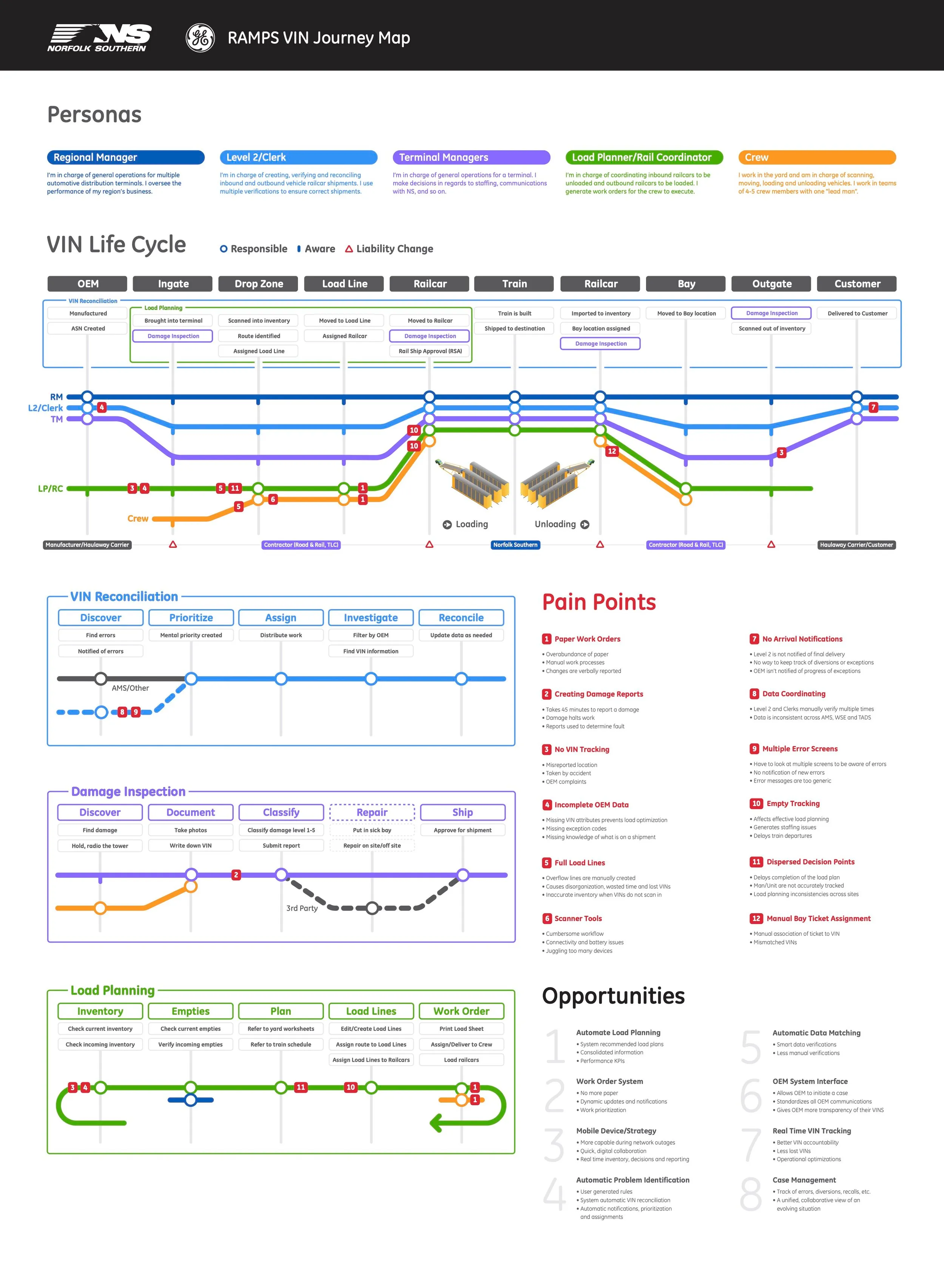
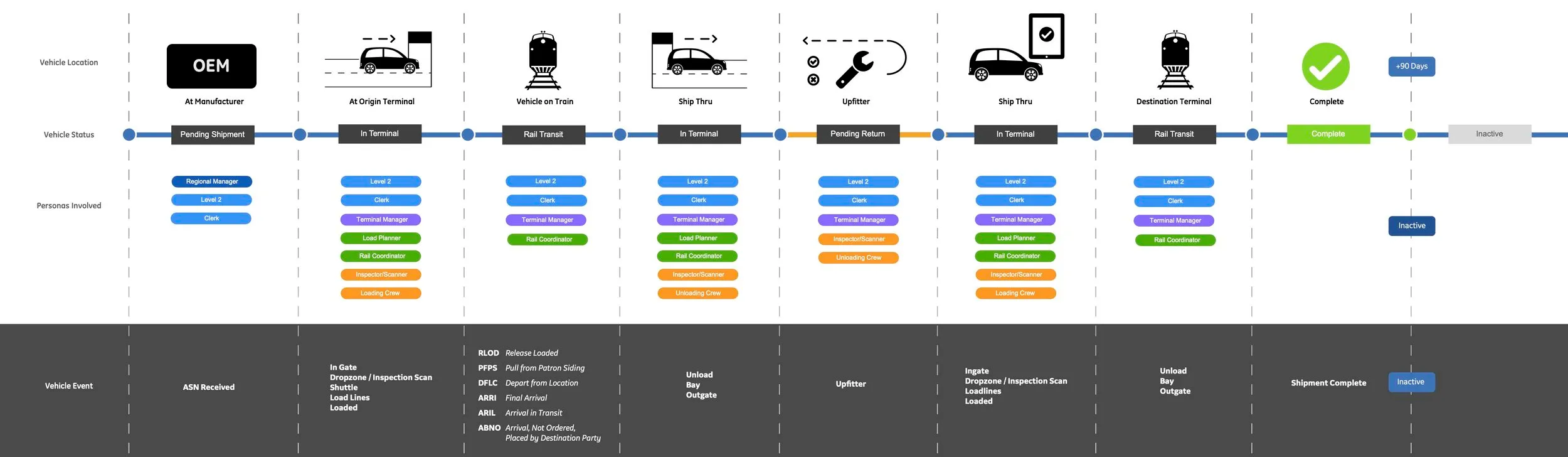
Journey maps and service blueprints for new ways of working inside the railyard.
Design
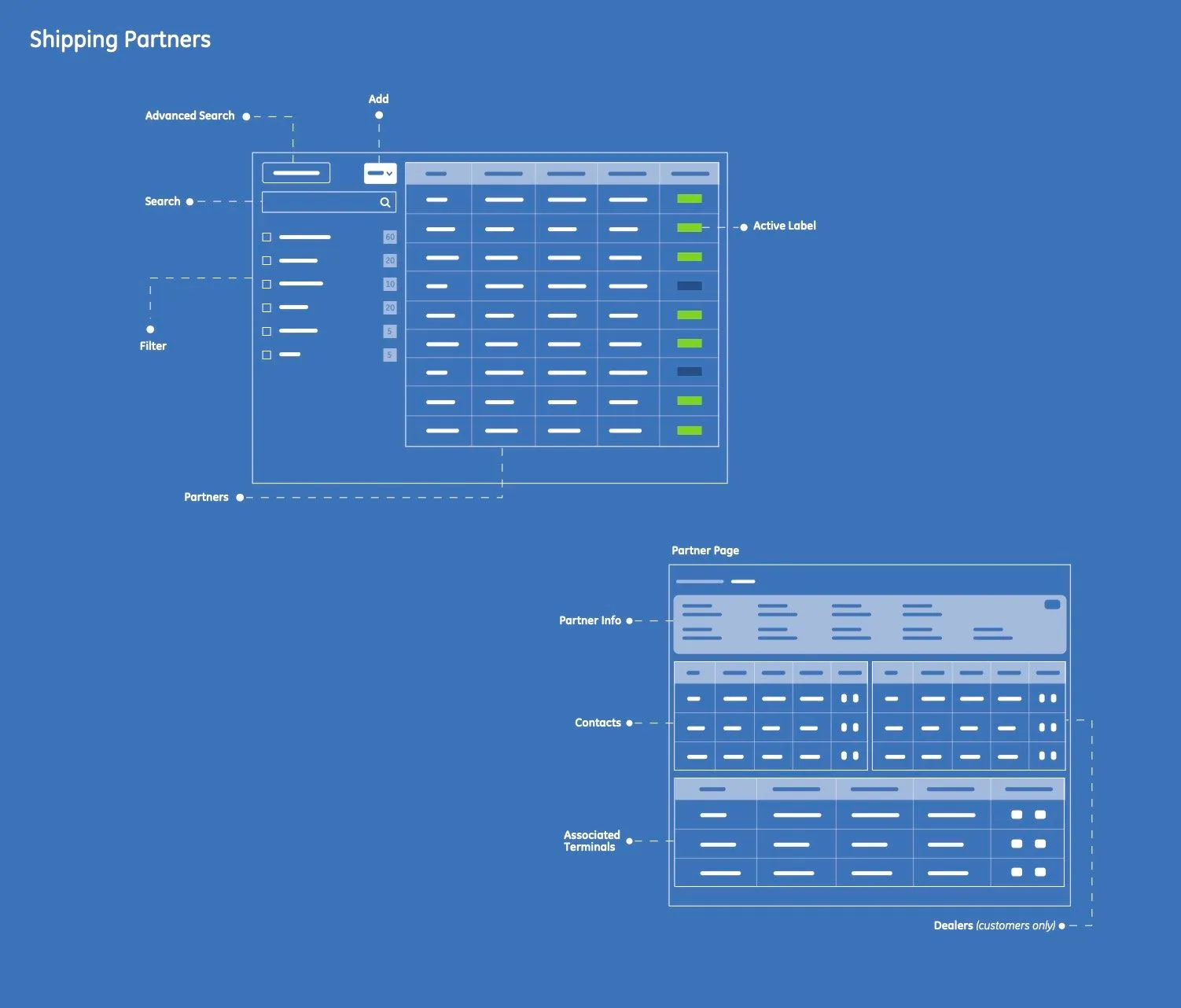
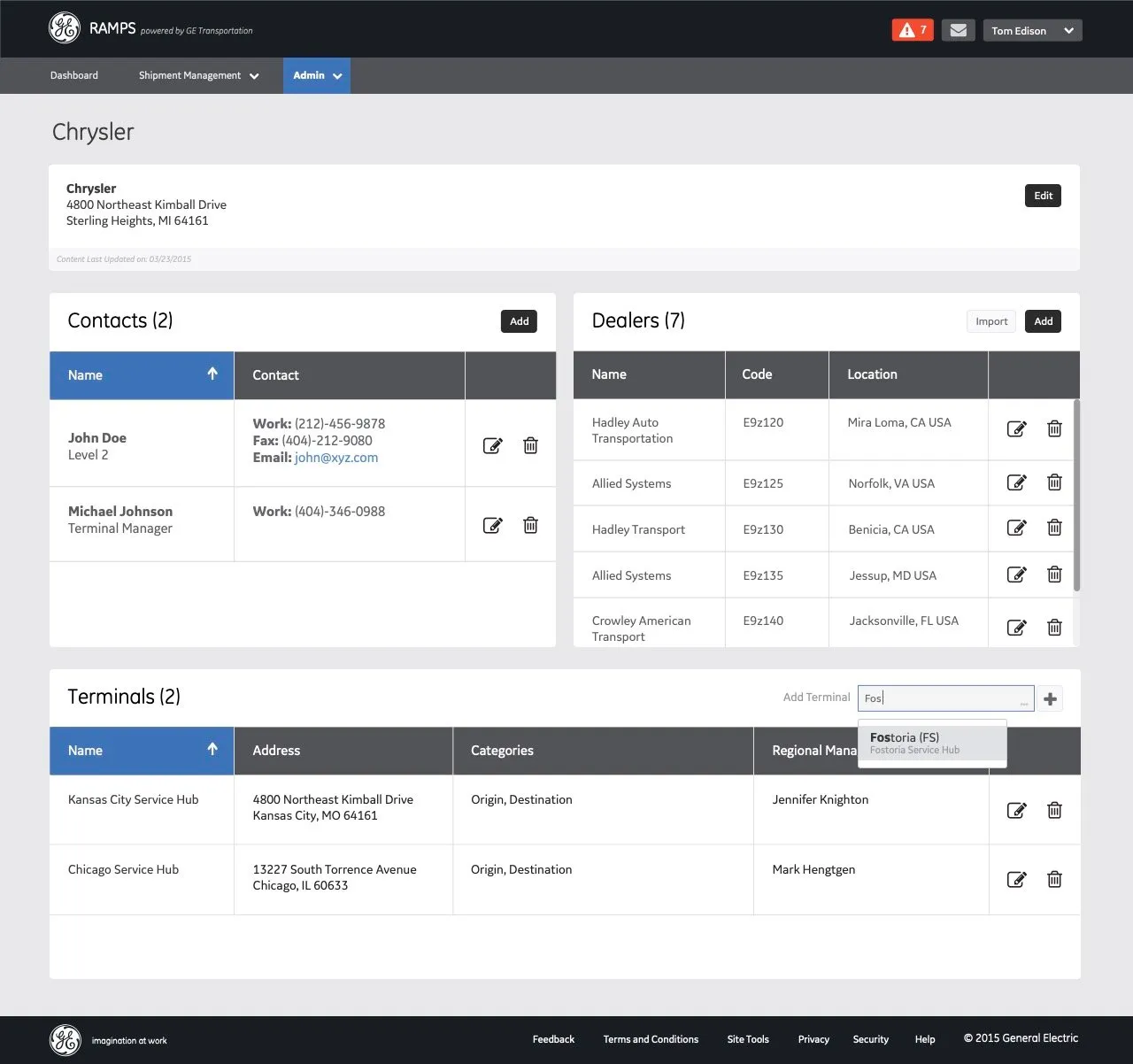
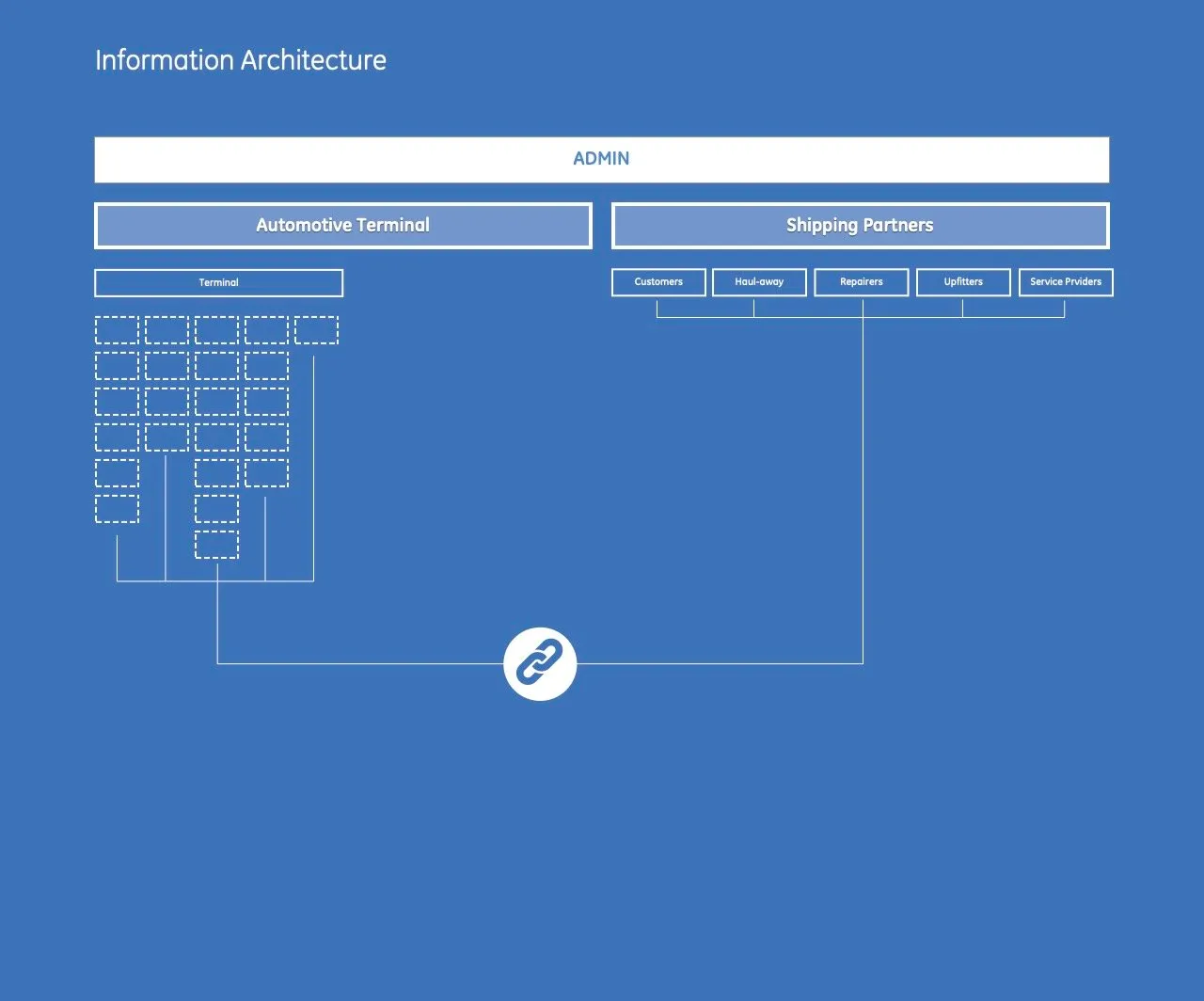
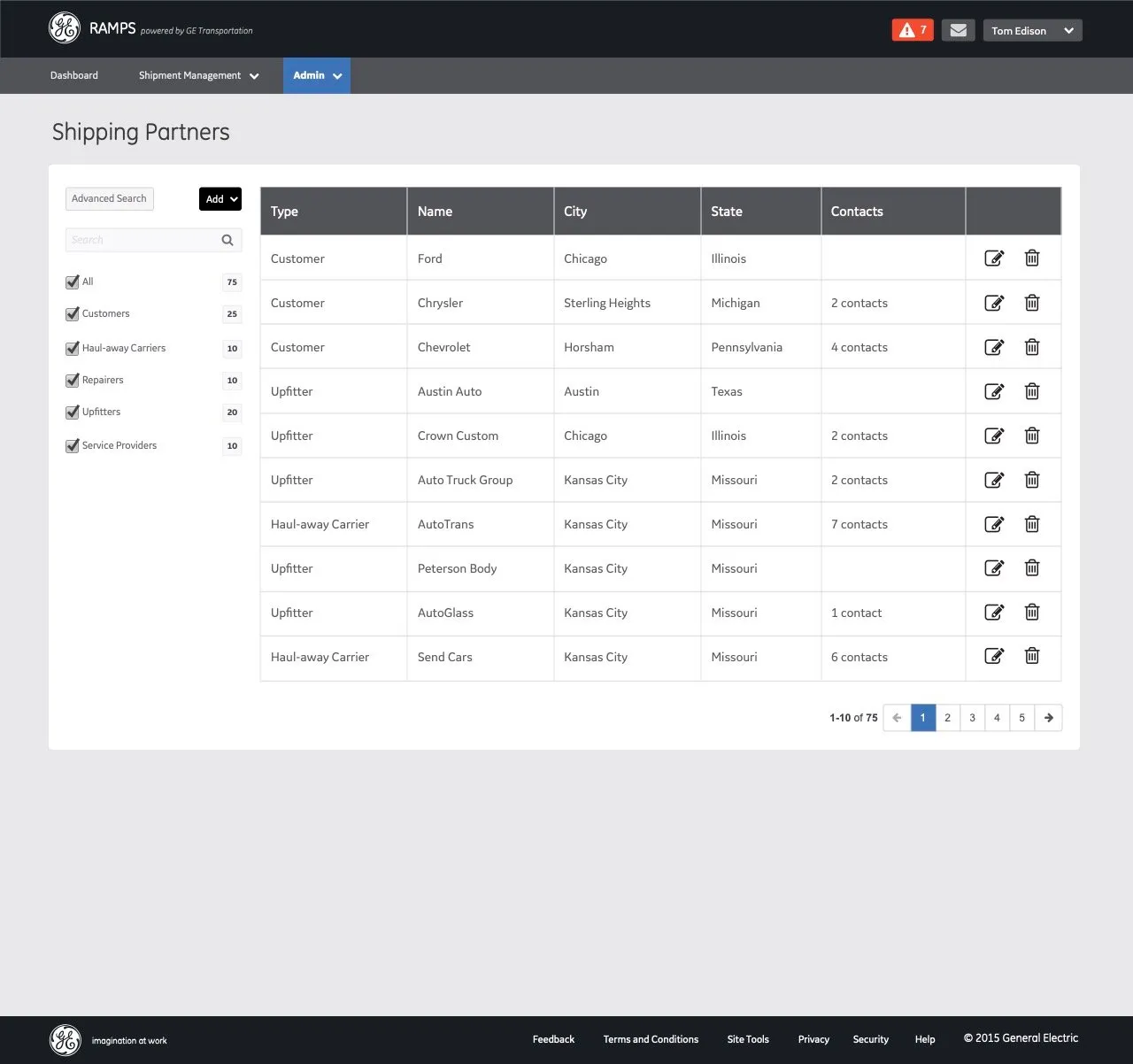
Weekly design reviews with subject matter experts and real users allowed fast iteration.
Build
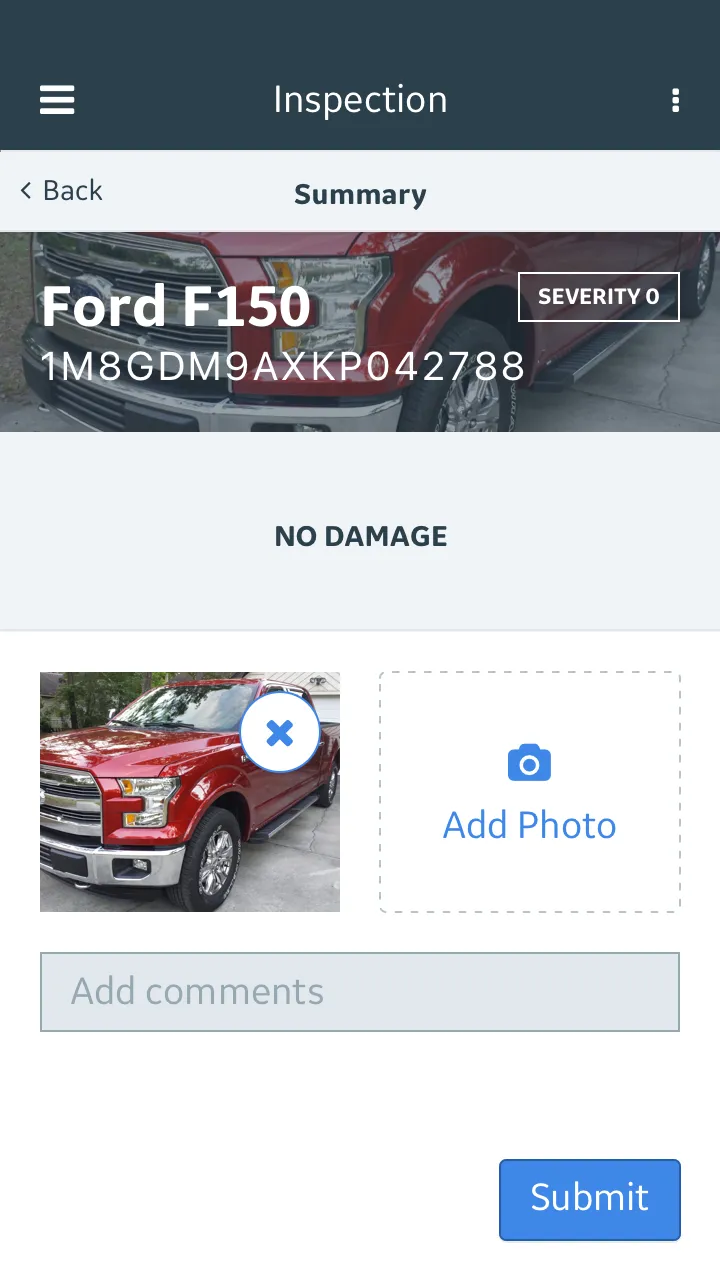
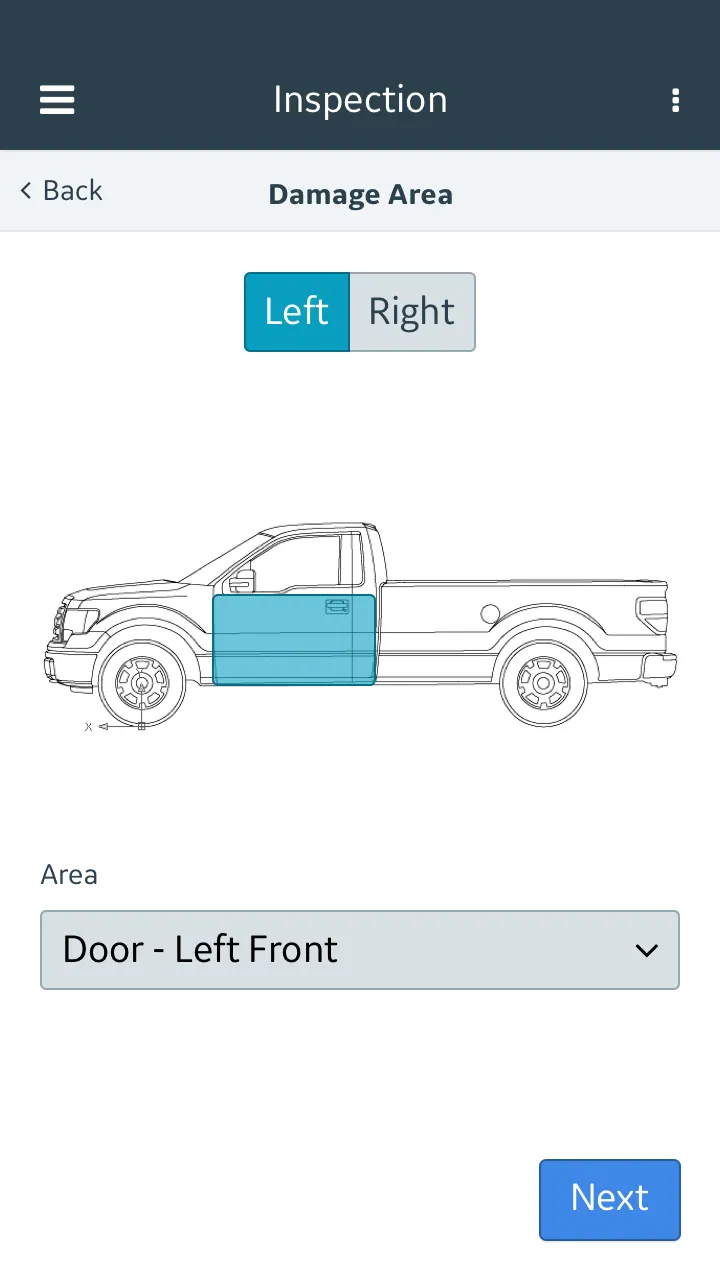
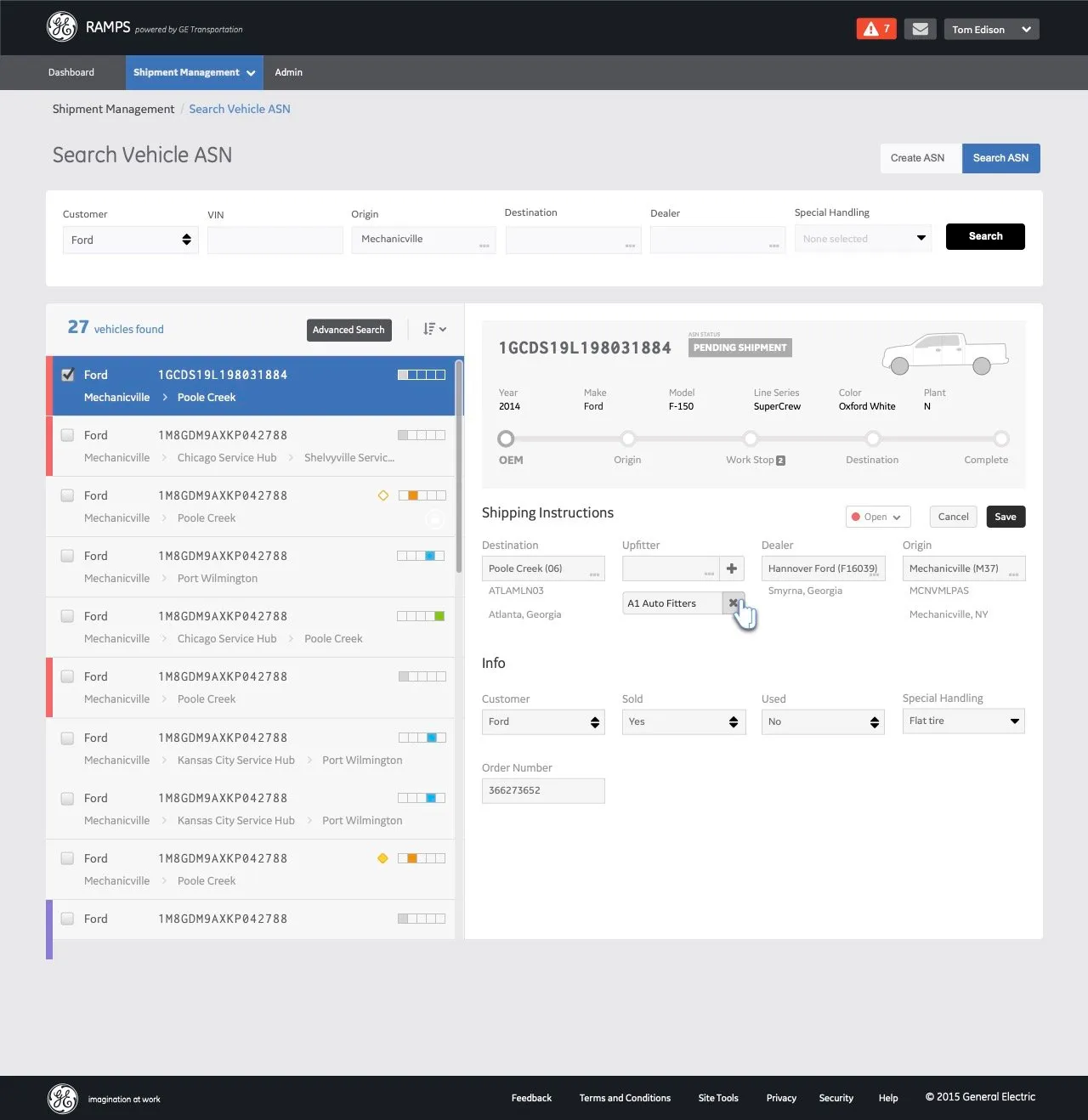
The final desktop and mobile app.
Design system
From fragmentation to scale
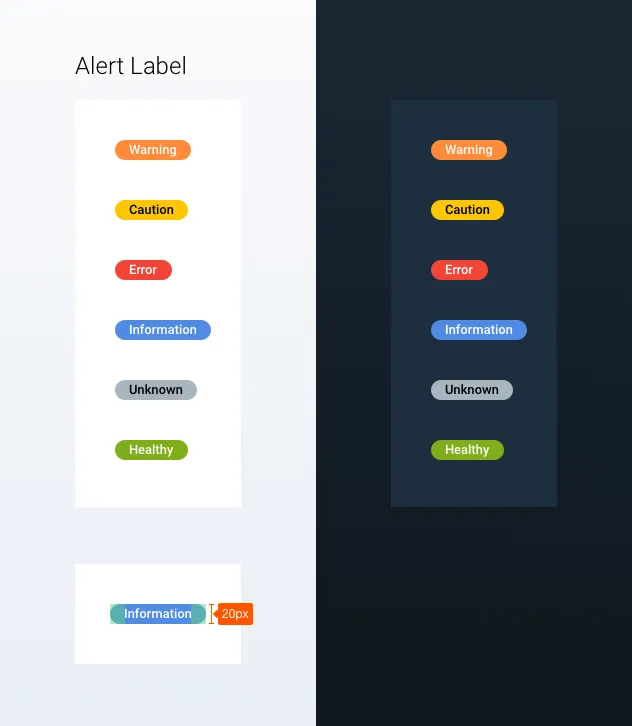
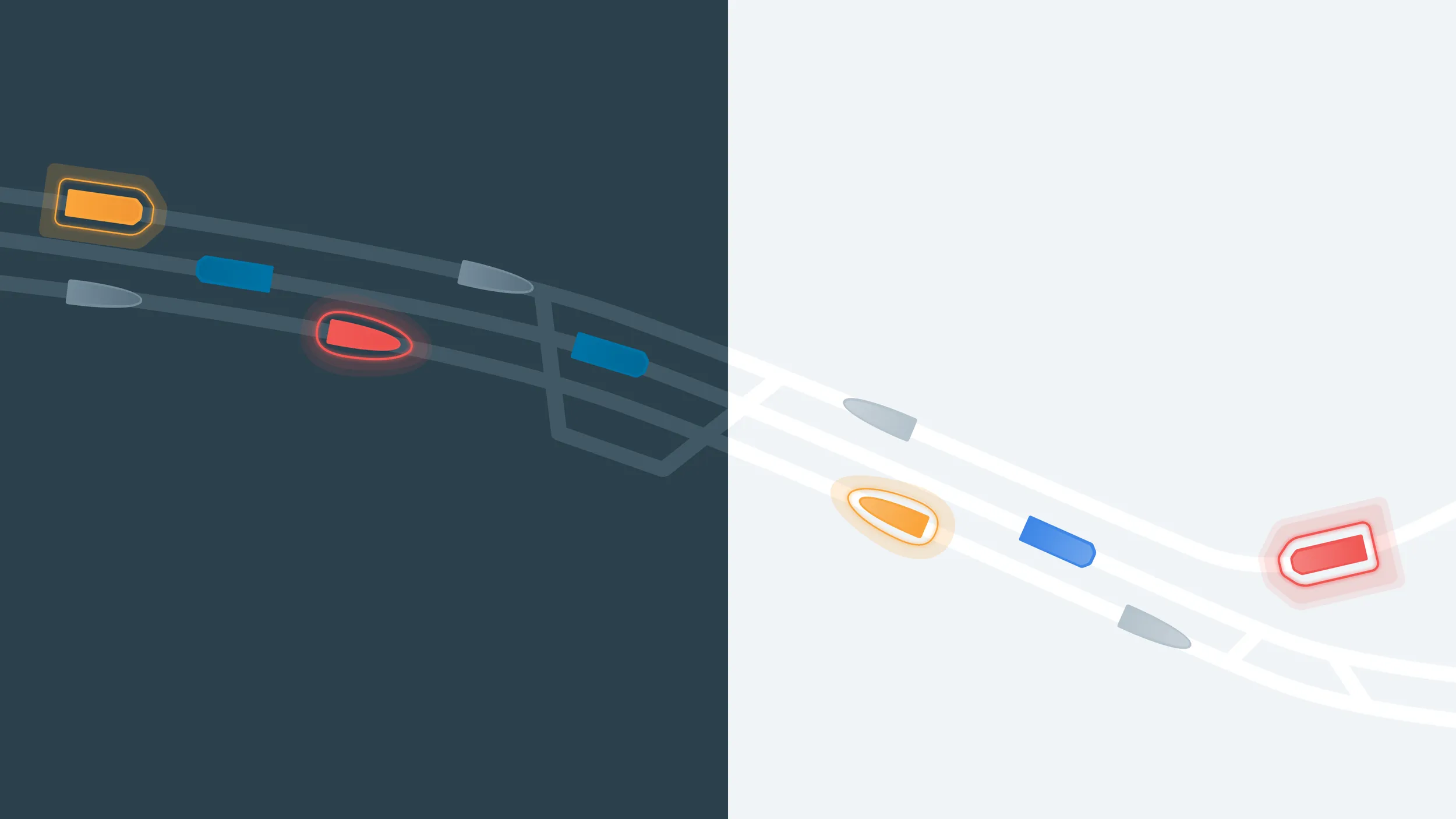
User research across the organization quickly revealed a clear pattern: every product team used icons—but none used the same set. Mapping features were common across 80% of products, yet teams relied on different engines, color schemes, and data sources. The result was a fragmented, inconsistent experience across the portfolio.
To fix this, our team partnered with product leaders, engineers, and designers to create a shared foundation of design assets and code. The new system enabled teams to build more consistent products—faster. For example, implementing a map to display asset locations went from taking 2–3 weeks to just 15 minutes.
This success laid the foundation to secure funding for a dedicated design system team.
In its second iteration, the system expanded dramatically in scope to replace an outdated, deprecated foundation. We began by visiting our largest development hubs around the world and facilitating workshops with engineering teams. These sessions surfaced critical pain points in the old system and allowed us to reimagine a new, developer-centric solution.
Built on Google Material and JavaScript-agnostic web components, the new system offers flexibility across diverse tech stacks. It is now scaled to support 3,000+ developers across a global R&D organization of 27,000 people.